

Working Principle and Features of Intermittent Feeding Material Handling Equipment
Intermittent feeding material handling equipment is a critical component in various industrial applications, designed to transport materials in a controlled, step-by-step manner. This equipment is widely used in manufacturing, logistics, and processing industries to ensure efficient material flow and precise control over the feeding process. Understanding its working principle and key features is essential for optimizing operational efficiency and meeting production requirements.
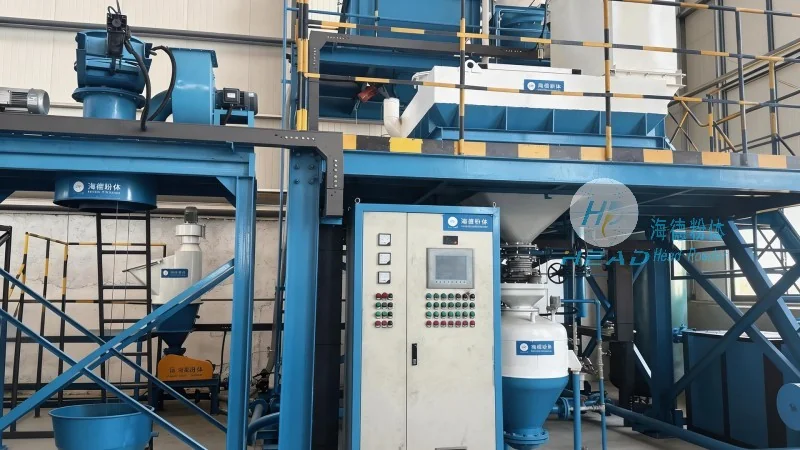
Working Principle of Intermittent Feeding Equipment
The core working principle of intermittent feeding material handling equipment revolves around the periodic movement of the feeding mechanism. Unlike continuous conveyor systems, this equipment operates by moving materials in discrete, timed intervals. The process typically involves several key steps: material loading, holding, and then releasing in a controlled sequence. This intermittent motion is achieved through mechanical components such as cams, levers, or electric actuators, which regulate the timing and speed of material transfer. The equipment ensures that materials are moved in a synchronized manner, preventing overloading or uneven distribution in downstream processes.
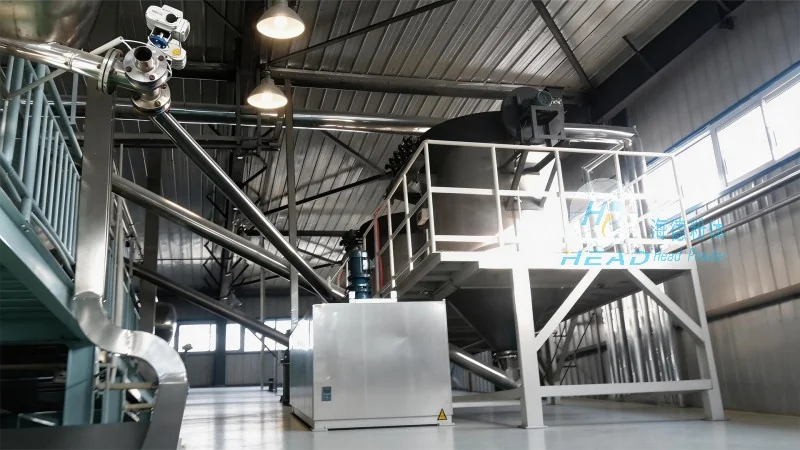
Key Features of Intermittent Feeding Material Handling Equipment
Intermittent feeding equipment offers several distinct features that make it suitable for a wide range of applications. One of the primary advantages is its ability to handle a variety of material types, including bulk materials, powders, and granules. The equipment is designed with adjustable parameters, such as feeding speed and volume, allowing for customization to match specific production needs. Another notable feature is its precision control, which minimizes material waste and ensures consistent output quality. Additionally, these systems are often equipped with safety mechanisms and monitoring systems to enhance operational reliability and compliance with industrial standards. The robust construction and durability of the equipment also contribute to long-term performance and reduced maintenance costs.
Applications and Benefits in Industrial Settings
Intermittent feeding material handling equipment is widely employed in industries such as food processing, pharmaceutical manufacturing, and chemical processing. In food processing, for example, it is used to handle ingredients like grains, powders, and spices, ensuring hygienic and controlled feeding into production lines. In pharmaceuticals, the equipment helps maintain strict quality control by delivering raw materials with precision, reducing the risk of contamination or inconsistency. The benefits of using this equipment extend beyond operational efficiency; it also enhances safety by minimizing manual handling of materials and reducing the risk of accidents. Furthermore, the adaptability of the equipment allows it to integrate seamlessly with existing production systems, providing a cost-effective solution for upgrading or expanding manufacturing capabilities.
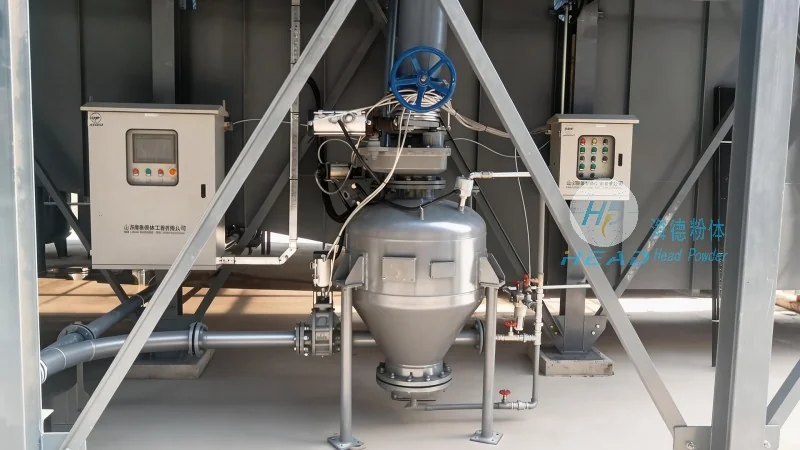
About Shandong HeadPowder Engineering Co., Ltd.
Shandong HeadPowder Engineering Co., Ltd., commonly known as headpowder, is a leading manufacturer specializing in material handling solutions. With a focus on innovation and quality, the company provides a comprehensive range of intermittent feeding equipment tailored to meet the diverse needs of industrial clients. HeadPowder's products are designed with advanced engineering principles, ensuring high performance, reliability, and durability. The company's commitment to customer satisfaction is reflected in its comprehensive after-sales support and technical assistance services. HeadPowder's facilities are located in Shandong, China, where state-of-the-art manufacturing processes and stringent quality control measures are implemented to deliver superior products to global markets.