

Technical Analysis of Sawdust and Husk Pneumatic Conveying Systems: Comparison of Positive and Negat
For industries dealing with bulk materials like sawdust and husk, efficient material handling is crucial. Pneumatic conveying systems offer a reliable solution, and understanding the differences between positive and negative pressure modes is essential for selecting the right technology. This article provides a technical analysis of these two modes, focusing on their applications, advantages, and practical considerations.
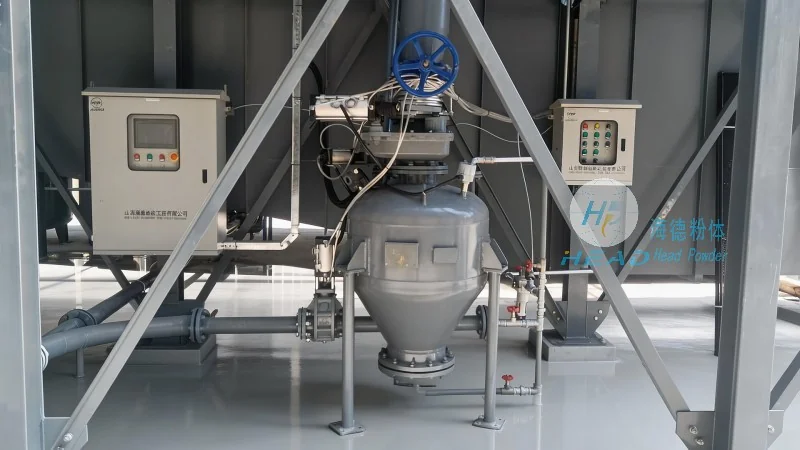
Company Overview: HeadPowder Engineering
HeadPowder, a leading engineering firm based in Shandong, China, specializes in the design and implementation of advanced material handling solutions. With a strong commitment to innovation and customer satisfaction, the company has built a reputation for delivering high-quality pneumatic conveying systems tailored to the specific needs of the wood processing and agricultural sectors. HeadPowder Engineering Co., Ltd. is dedicated to providing efficient, cost-effective solutions that enhance operational productivity and reduce downtime.
Technical Analysis of Positive vs. Negative Pressure Conveying Modes
Pneumatic conveying systems use air to transport bulk materials through a pipeline. The two primary modes are positive pressure and negative pressure, each with distinct operational principles and applications. Positive pressure systems force air and material through the pipeline, while negative pressure systems draw material into the system using a vacuum. Understanding these differences is critical for optimizing material flow and system performance.
Key Features and Advantages of Each Mode
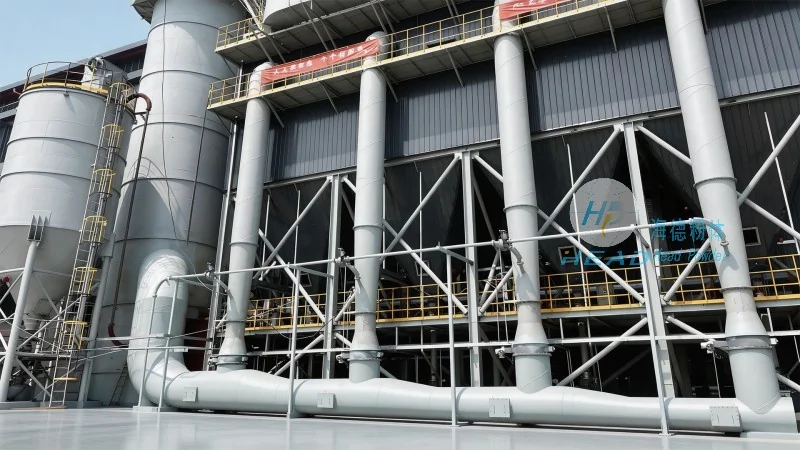
Positive pressure conveying systems operate by blowing air and material through the pipeline. This mode is well-suited for long-distance and high-capacity applications. The advantages include the ability to handle abrasive materials, the capacity to transport materials over significant vertical and horizontal distances, and the flexibility to integrate with existing infrastructure. The system typically uses a blower or compressor to generate the necessary pressure, ensuring consistent material flow. However, positive pressure systems may require more maintenance due to the higher air pressure and potential for material buildup in the pipeline.
Negative pressure conveying systems, on the other hand, operate by creating a vacuum that draws material into the system. This mode is ideal for applications where dust control is a priority, as the system draws material from a source and transports it to a collection point without releasing dust into the environment. The advantages include lower noise levels, reduced energy consumption compared to positive pressure systems, and the ability to handle fine powders and granules without clogging. Negative pressure systems are also more suitable for short-distance and low-capacity applications, making them a cost-effective choice for smaller operations.
Practical Applications and Industry Considerations
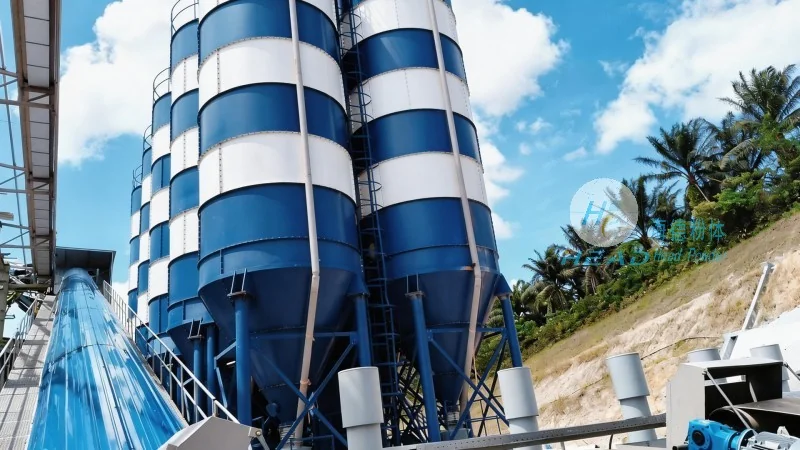
The choice between positive and negative pressure modes depends on several factors, including the material properties, distance to be covered, and environmental requirements. For example, sawdust and husk are often abrasive and require systems that can handle their characteristics. Positive pressure systems may be preferred for long-distance transport of these materials, as they can maintain consistent flow over extended distances. Conversely, negative pressure systems are suitable for short-distance transport in environments where dust control is critical, such as in food processing or agricultural facilities.
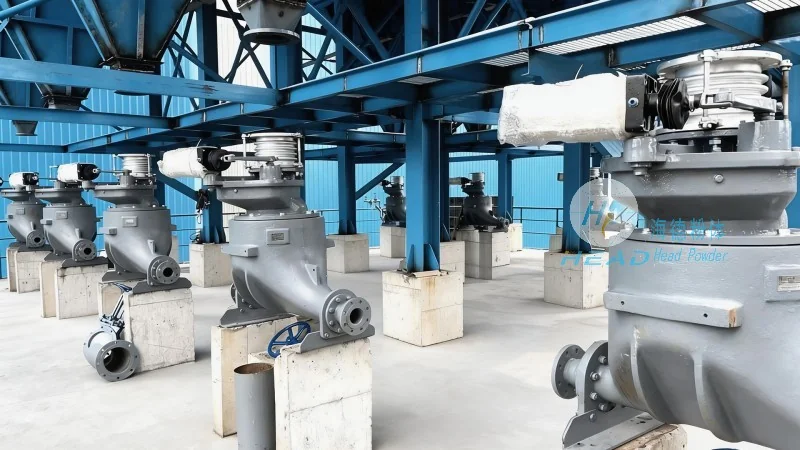
Another key consideration is the system's impact on the surrounding environment. Positive pressure systems may release dust into the air if not properly sealed, while negative pressure systems are more enclosed and reduce the risk of contamination. HeadPowder Engineering offers customized solutions that address these considerations, ensuring that the chosen mode aligns with the client's operational goals and regulatory requirements.
Conclusion and Recommendations
Both positive and negative pressure pneumatic conveying modes have their place in the handling of sawdust and husk. The selection of the appropriate mode depends on a thorough analysis of the material characteristics, operational distance, and environmental constraints. HeadPowder Engineering Co., Ltd., with its expertise in material handling technology, provides comprehensive solutions that balance efficiency, cost, and environmental impact. By understanding the technical differences between these modes, industries can make informed decisions that enhance their material handling processes and improve overall productivity.