

Operation Process and Working Principle of Gypsum Powder Pneumatic Conveying
For industries dealing with gypsum powder, efficient and reliable material handling is crucial. Pneumatic conveying systems offer a solution that minimizes dust, reduces labor costs, and enhances operational safety. This article explores the operation process and working principle of gypsum powder pneumatic conveying, highlighting the key components and steps involved in the process. The information is presented by Shandong HeadPowder Engineering Co., Ltd., a leading provider in the field, with a focus on practical applications and technical insights.
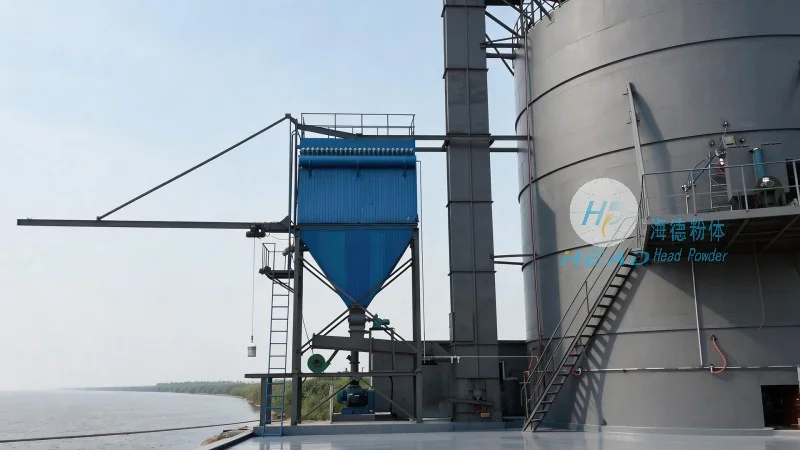
Working Principle of Pneumatic Conveying for Gypsum Powder
The core principle of pneumatic conveying is the use of air to transport solid particles through a pipeline. In the case of gypsum powder, which is typically fine and dry, this method leverages the kinetic energy of air to move the material. There are two main types of pneumatic conveying systems: aspiration (or suction) systems and pressure (or blow) systems. Aspiration systems draw material from a hopper or storage bin using a vacuum created by a fan or blower, while pressure systems force air and material through the pipeline using a positive pressure source.
For gypsum powder, the choice of system depends on factors such as the distance to be covered, the required flow rate, and the material's properties. The working principle involves creating a flow of air that carries the powder particles, ensuring they remain suspended and move along the pipeline without settling or clogging. This requires precise control of air velocity and pressure to maintain the material in a fluidized state.
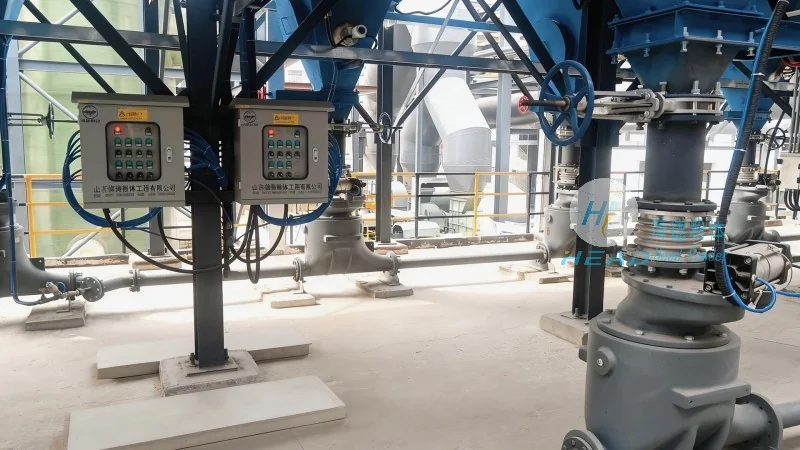
Key Components of Gypsum Powder Pneumatic Conveying Systems
Several critical components work together to ensure the smooth operation of a pneumatic conveying system for gypsum powder. These include:
- Feed Hopper and Metering Device: The hopper stores the gypsum powder and feeds it into the system at a controlled rate. The metering device, such as a rotary valve or screw feeder, regulates the flow to match the conveying requirements.
- Air Supply Unit (Fan or Blower): This component generates the necessary air pressure or vacuum to move the material. The choice between a fan (for low-pressure systems) and a blower (for higher pressure) depends on the system's design and the material's characteristics.
- Pneumatic Conveying Pipeline: The pipeline, usually made of stainless steel or plastic, transports the gypsum powder and air mixture. The diameter and length of the pipeline are critical factors that affect the system's efficiency and performance.
- Separation and Collection Equipment: At the end of the conveying line, a separator (such as a cyclone or bag filter) separates the gypsum powder from the air. The separated powder is collected in a discharge hopper, while the air is either filtered or recycled back into the system.
- Control and Monitoring Systems: Modern systems incorporate sensors and control panels to monitor pressure, flow rate, and other parameters. This allows for real-time adjustments to maintain optimal operation and prevent issues like blockages or overloading.
Operation Process of Gypsum Powder Pneumatic Conveying
The operation process of a gypsum powder pneumatic conveying system involves several sequential steps, each designed to ensure efficient material transport from the source to the destination. The process typically begins with the preparation of the gypsum powder in the feed hopper. The metering device then releases the powder into the pipeline as the air supply unit generates the required airflow.
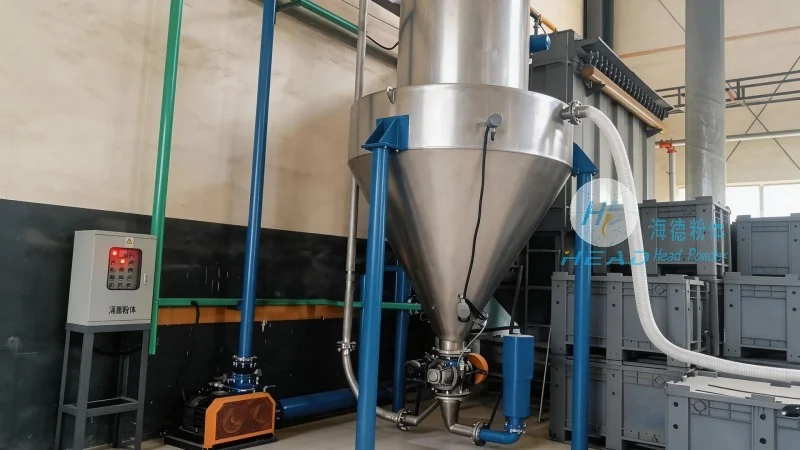
As the powder enters the pipeline, it is carried by the air stream. The velocity of the air must be sufficient to keep the particles suspended, preventing them from settling and causing clogs. The pipeline may include bends, expansions, or reductions, which are designed to minimize pressure loss and maintain the material's flow.
Upon reaching the destination, the air-powder mixture enters the separation equipment. The separator uses centrifugal force or filtration to separate the gypsum powder from the air. The separated powder is collected in a discharge bin, ready for further processing or use. The air, now free of dust, is either vented to the atmosphere or recirculated back into the system to improve efficiency.
Throughout the operation, the control system continuously monitors the system's performance. If any issues arise, such as a drop in pressure or an increase in temperature, the system can automatically adjust the air flow or shut down to prevent damage to the equipment or the material.
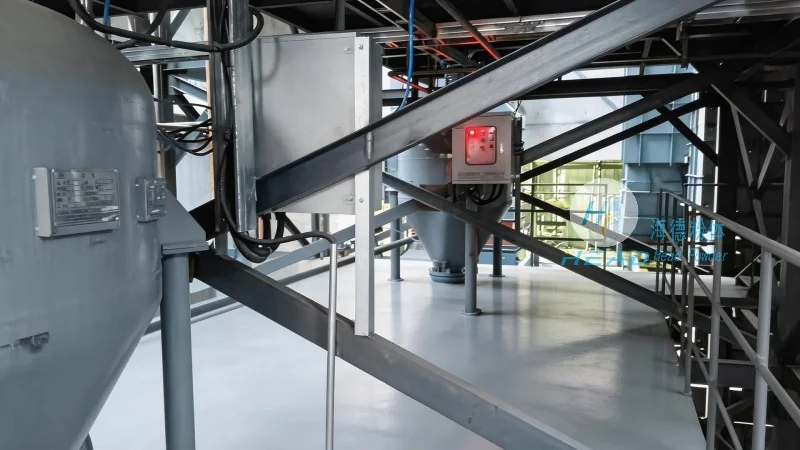
Advantages of Gypsum Powder Pneumatic Conveying
Compared to traditional methods like belt conveyors or manual handling, pneumatic conveying offers several advantages for gypsum powder transport. These include:
- Reduced Dust and Contamination: The enclosed system minimizes dust emissions, making it safer for workers and reducing the risk of contamination in the material.
- Improved Efficiency and Throughput: Pneumatic systems can handle high flow rates and long distances, increasing production efficiency and reducing downtime.
- Lower Maintenance Costs: With fewer moving parts compared to mechanical conveyors, pneumatic systems require less maintenance and have longer service life.
- Flexibility in Layout: The system can be easily reconfigured or expanded to accommodate changes in production needs or facility layout.
- Enhanced Safety: The enclosed design prevents accidental spills or exposure to harmful dust, contributing to a safer working environment.
Conclusion and Company Information
Gypsum powder pneumatic conveying is a highly effective method for transporting fine powders, offering significant benefits in terms of efficiency, safety, and environmental protection. By understanding the working principle and operation process, industries can optimize their material handling systems to meet their specific needs. Shandong HeadPowder Engineering Co., Ltd. specializes in designing and manufacturing customized pneumatic conveying solutions tailored to the unique requirements of gypsum powder applications, ensuring reliable and efficient material transport for clients in China and beyond.