

Operation Process and Working Principle of Masterbatch Material Conveying System Equipment
HeadPowder, a leading manufacturer based in Shandong, China, specializes in the design and production of advanced masterbatch material conveying systems. The company's facilities are strategically located in Shandong, providing a solid foundation for delivering high-quality industrial solutions tailored to the needs of the plastic and polymer processing industries.
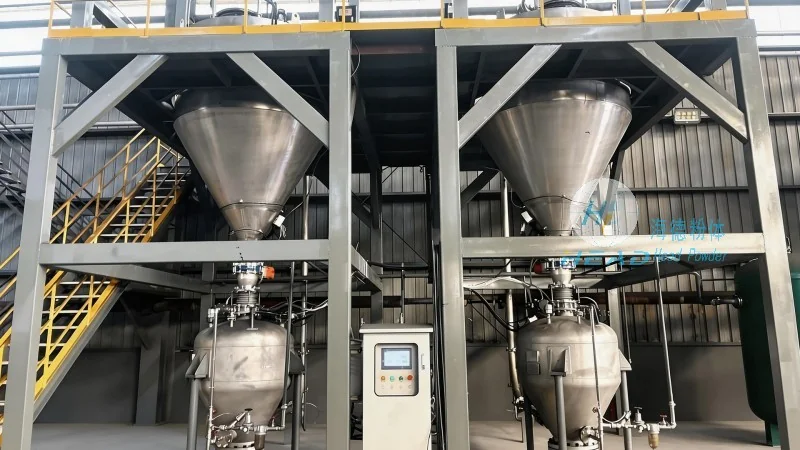
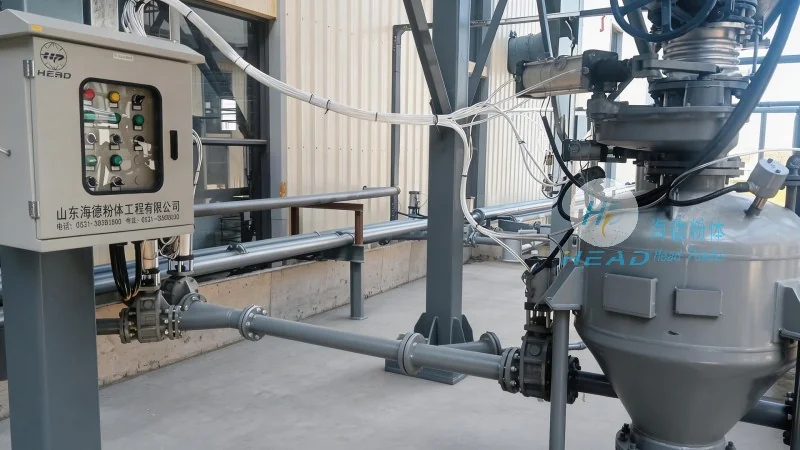
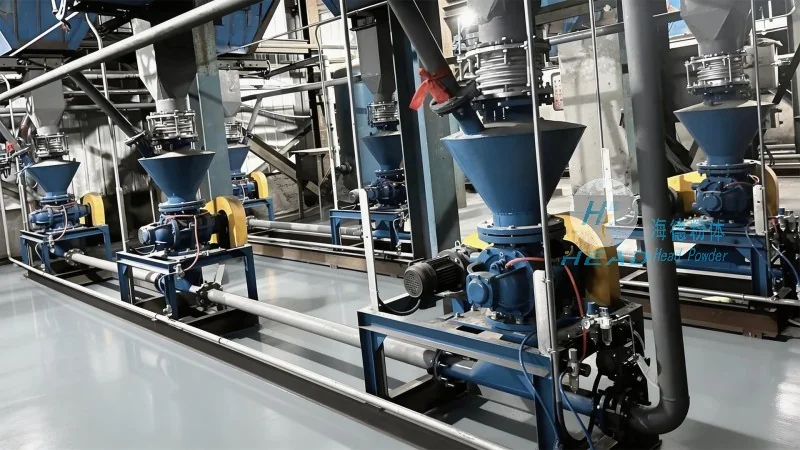
Operation Process of Masterbatch Material Conveying System Equipment
The operation of a masterbatch material conveying system typically begins with the preparation phase, where raw masterbatch materials are loaded into the system's hopper or storage container. This initial step ensures that the system is ready to receive the material for processing. Once the material is loaded, the system's control panel is activated, initiating the start sequence. The control system then monitors the flow of material through the conveyor or pneumatic lines, adjusting the speed and pressure as needed to maintain a consistent and efficient transport process. During operation, sensors are used to detect the level of material in the hopper and the flow rate through the conveyor, providing real-time feedback to the control system. This feedback loop allows for automatic adjustments to maintain optimal performance, preventing overfilling or underflow conditions. The system continues to operate until the material is fully transferred to the next processing stage, such as a mixing or extrusion unit. At this point, the system is either automatically shut down or remains in standby mode, awaiting the next batch of material.
Working Principle of Masterbatch Material Conveying System Equipment
The working principle of a masterbatch material conveying system revolves around the integration of mechanical components and control systems to facilitate the movement of masterbatch materials from one location to another within a production facility. The core components include a hopper for material storage, a conveyor mechanism (such as a screw conveyor or pneumatic pipeline), and a control unit equipped with sensors and actuators. The screw conveyor, for instance, uses rotating screws to push material forward along a tube, while pneumatic systems utilize compressed air to transport material through a sealed pipeline. Both methods are designed to handle the abrasive and fine nature of masterbatch materials, ensuring minimal material degradation during transport. The control unit plays a critical role in regulating the system's operation. It receives input from various sensors, including level sensors in the hopper and flow sensors along the conveyor, to monitor the system's status. Based on this data, the control unit adjusts the speed of the conveyor motor or the air pressure in the pneumatic system to maintain a steady flow rate. Additionally, the control unit may include safety features, such as overload protection and emergency stop buttons, to prevent damage to the equipment or injury to operators. The overall working principle is to create a seamless and automated process for material transport, minimizing manual intervention and maximizing efficiency in the production workflow.