

Technical Analysis of Cement and Fly Ash Pneumatic Conveying Systems: Comparison of Positive Pressur
For industrial facilities dealing with bulk materials like cement and fly ash, efficient material handling is critical to operational success. Pneumatic conveying systems offer a reliable solution, utilizing air to transport materials through pipelines without mechanical components. This article provides a technical analysis of cement and fly ash pneumatic conveying systems, focusing on the comparison between positive pressure and negative pressure conveying modes. The analysis is presented by Shandong HeadPowder Engineering Co., Ltd., a leading provider of engineering solutions for bulk material handling, with headquarters in Shandong, China.
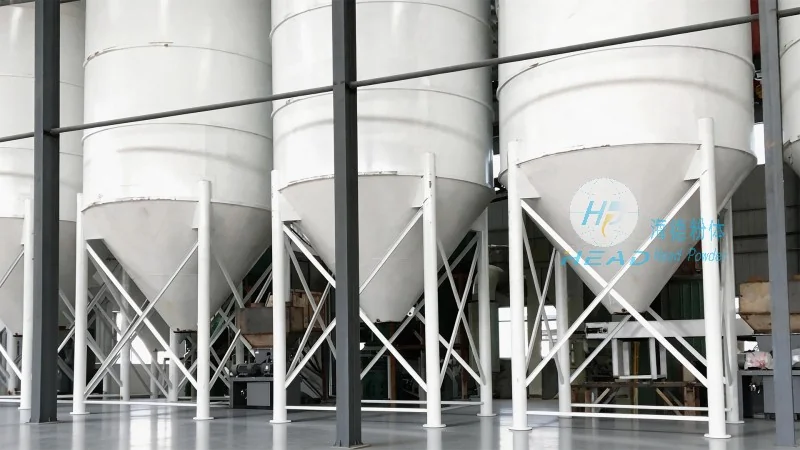
Understanding Positive Pressure Conveying
Positive pressure conveying systems operate by generating pressure within the conveying line, typically using a blower or fan to force air and material through the pipeline. This mode is often preferred for applications requiring high material flow rates and long-distance transport. The system maintains a positive pressure throughout the pipeline, ensuring that material is continuously pushed forward. For cement and fly ash, positive pressure systems can handle abrasive materials effectively, as the high-pressure air helps to break up agglomerates and maintain consistent flow. The design of positive pressure systems typically includes a hopper, a feeder, a blower, and a receiver. The hopper stores the material, while the feeder controls the flow rate. The blower provides the necessary pressure to move the material through the pipeline. The receiver collects the material at the end of the conveying line.
Key Features of Positive Pressure Conveying for Cement and Fly Ash
Positive pressure conveying systems for cement and fly ash offer several advantages. One of the primary benefits is the ability to handle high material loads with consistent performance. The high-pressure air ensures that even difficult-to-convey materials like fly ash are moved efficiently. Additionally, positive pressure systems can be designed for long-distance transport, making them suitable for industrial facilities with multiple processing units. The system's robust design also makes it suitable for abrasive materials, as the high-pressure air helps to prevent material buildup and maintain smooth operation. Another advantage is the ability to integrate with existing infrastructure, as positive pressure systems can be connected to existing pipelines and equipment. This makes it easier to retrofit existing facilities with pneumatic conveying systems.
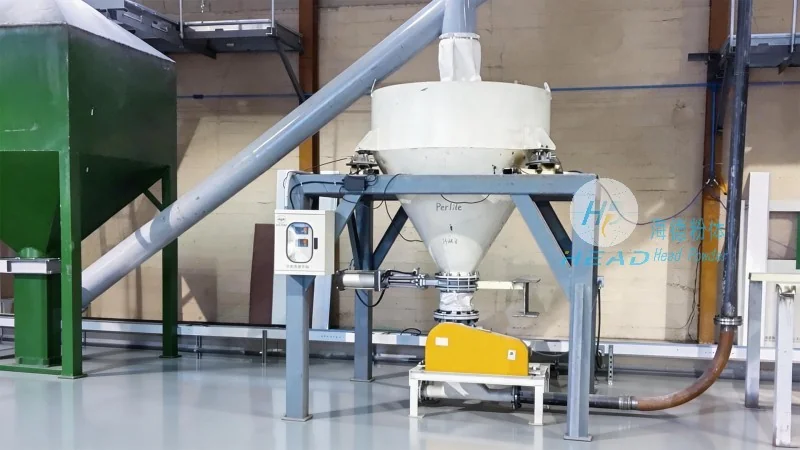
Understanding Negative Pressure Conveying
Negative pressure conveying systems, also known as suction systems, operate by creating a vacuum within the conveying line. The system draws material from the source and transports it to the destination using a vacuum pump. This mode is often preferred for applications requiring gentle handling of materials, as the low-pressure air minimizes material degradation. Negative pressure systems are particularly suitable for transporting materials that are sensitive to pressure or temperature changes. For cement and fly ash, negative pressure systems can handle fine powders and prevent dust emissions effectively. The system's design includes a hopper, a feeder, a vacuum pump, and a receiver. The hopper stores the material, while the feeder controls the flow rate. The vacuum pump creates the necessary suction to draw the material through the pipeline. The receiver collects the material at the end of the conveying line.
Key Features of Negative Pressure Conveying for Cement and Fly Ash
Negative pressure conveying systems for cement and fly ash offer several advantages. One of the primary benefits is the gentle handling of materials, which is crucial for preventing material degradation. The low-pressure air ensures that the material is not subjected to excessive pressure or temperature changes, which can affect its quality. Additionally, negative pressure systems are effective in reducing dust emissions, making them suitable for applications where environmental regulations are a concern. The system's design also allows for flexible pipeline configurations, as the suction can be applied to multiple points along the pipeline. This makes it easier to adapt the system to changing operational needs. Another advantage is the ability to handle fine powders, as the low-pressure air helps to maintain the material's consistency and prevent agglomeration.
Comparison of Positive Pressure vs. Negative Pressure Conveying
When comparing positive pressure and negative pressure conveying modes for cement and fly ash, several factors need to be considered. The choice between the two modes depends on the specific application requirements, including material characteristics, distance of transport, and operational constraints. Positive pressure systems are generally more suitable for high material flow rates and long-distance transport, as they can handle higher pressures and material loads. Negative pressure systems, on the other hand, are better suited for gentle handling of materials and reducing dust emissions. The choice also depends on the available space and infrastructure, as positive pressure systems require more space for the blower and receiver, while negative pressure systems require more space for the vacuum pump and receiver.
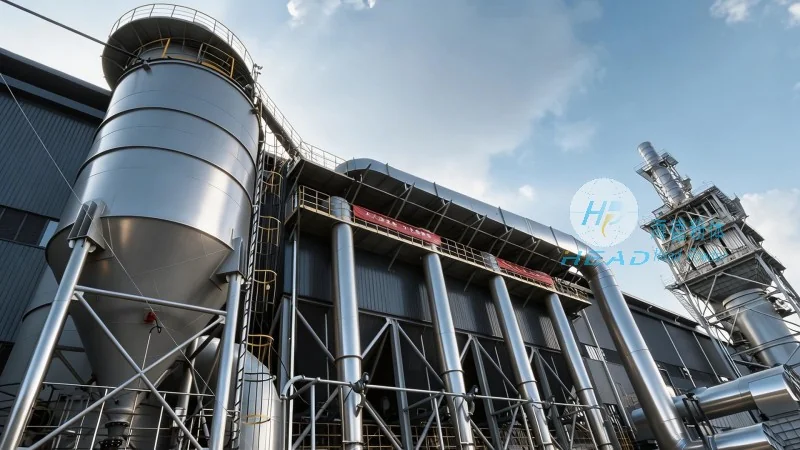
Factors to Consider When Choosing a Conveying Mode
When selecting a pneumatic conveying system for cement and fly ash, several factors should be considered. The first factor is the material characteristics, including particle size, density, and abrasiveness. These factors affect the system's design and performance. The second factor is the distance of transport, as positive pressure systems are more suitable for long-distance transport. The third factor is the operational constraints, including space availability and environmental regulations. The fourth factor is the cost of the system, as positive pressure systems are generally more expensive than negative pressure systems. The fifth factor is the maintenance requirements, as positive pressure systems require more maintenance due to the high-pressure components.
Conclusion
In conclusion, both positive pressure and negative pressure conveying modes offer efficient solutions for transporting cement and fly ash. The choice between the two modes depends on the specific application requirements. Positive pressure systems are generally more suitable for high material flow rates and long-distance transport, while negative pressure systems are better suited for gentle handling of materials and reducing dust emissions. When selecting a pneumatic conveying system, it is important to consider the material characteristics, distance of transport, operational constraints, cost, and maintenance requirements. By carefully evaluating these factors, industrial facilities can choose the most suitable conveying mode for their specific needs, optimizing operational efficiency and cost-effectiveness.