

Operation Process and Working Principle of Glucose Material Handling System Equipment
Glucose material handling systems are critical in industrial and pharmaceutical applications where the efficient and safe transport of glucose is essential. These systems are designed to manage the entire process from storage to delivery, ensuring consistent quality and minimal risk of contamination. Understanding the operation process and working principle of such equipment is vital for optimizing performance and maintaining compliance with industry standards.
Key Components of the Glucose Material Handling System
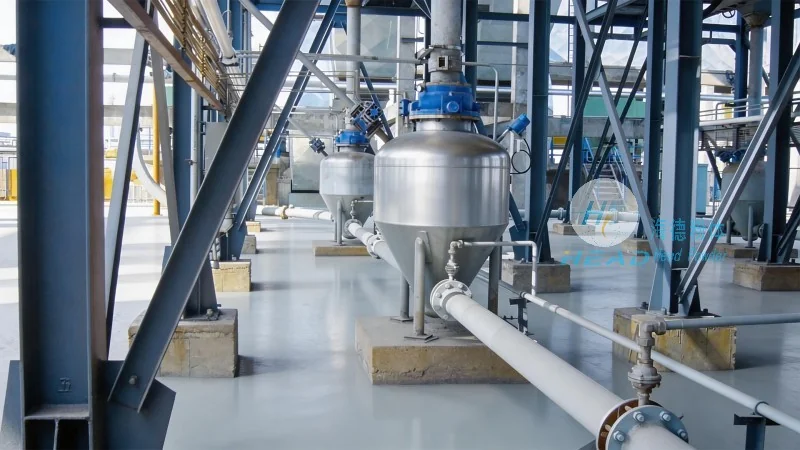
The glucose material handling system typically consists of several interconnected components that work in harmony to achieve seamless material transport. These components include bulk storage silos or hoppers, conveying equipment such as screw conveyors or pneumatic systems, feeding mechanisms, and control panels. Each component plays a specific role in the overall operation, contributing to the system's reliability and efficiency.
Operation Process of the Glucose Material Handling System
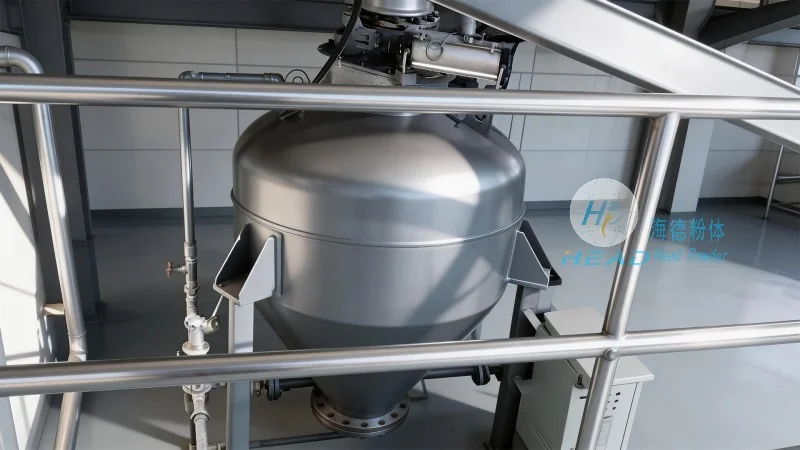
The operation process of a glucose material handling system begins with the storage of raw glucose in bulk silos. The system then activates the feeding mechanism, which draws the material from the silo and moves it to the conveying equipment. Depending on the system design, the conveying method may vary—screw conveyors are commonly used for solid materials, while pneumatic systems are suitable for handling fine powders. The material is then transported to the processing or packaging area. The control panel monitors all operations, ensuring that the flow rate, pressure, and temperature remain within optimal parameters. This automated process minimizes human intervention, reducing the risk of errors and enhancing productivity.
Working Principle Explained
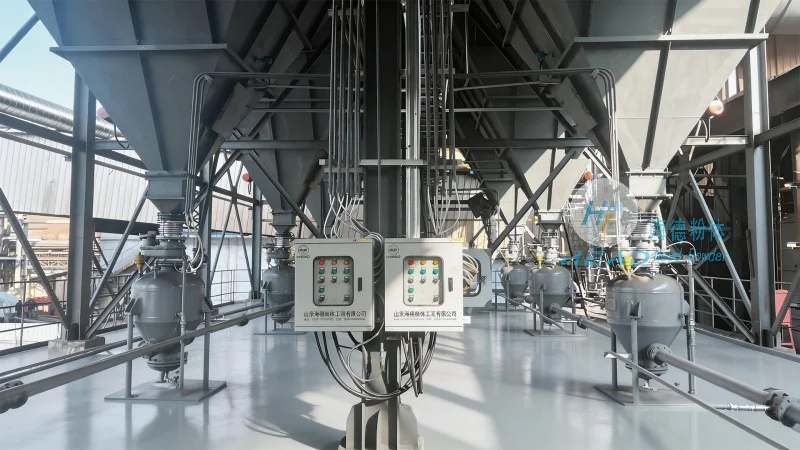
The working principle of a glucose material handling system is based on mechanical and pneumatic forces that facilitate the movement of the material. In mechanical systems, screw conveyors use rotating screws to push the material forward, while gravity and friction assist in the transport. Pneumatic systems, on the other hand, utilize compressed air to create a flow of material through pipes. The system's control unit regulates the air pressure and flow rate, ensuring consistent material movement. Sensors are integrated to detect any blockages or abnormalities, triggering alarms or automatic shutdowns to prevent damage to the equipment or product contamination.
Company Overview: Shandong HeadPowder Engineering Co., Ltd.
HeadPowder, or Shandong HeadPowder Engineering Co., Ltd., is a leading manufacturer specializing in the design and production of advanced material handling systems. With a focus on innovation and quality, the company has established itself as a trusted partner in the industry. HeadPowder's expertise lies in customizing solutions to meet the specific needs of clients, ensuring that their glucose material handling systems are tailored to operational requirements and regulatory standards. The company's commitment to excellence is reflected in its state-of-the-art manufacturing facilities and rigorous quality control processes.
Conclusion
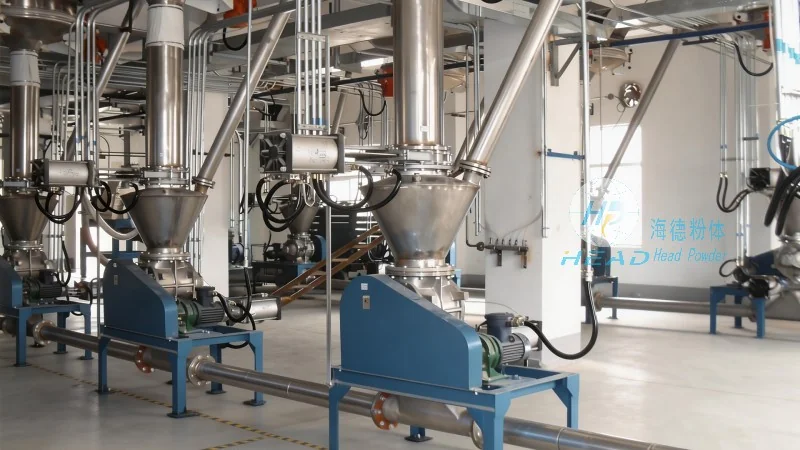
Understanding the operation process and working principle of glucose material handling systems is essential for optimizing industrial processes and ensuring product quality. The integration of advanced components and control systems in these systems enhances efficiency, safety, and reliability. As a leader in the field, Shandong HeadPowder Engineering Co., Ltd. continues to provide cutting-edge solutions that meet the evolving demands of the market, supporting clients in achieving their operational goals with precision and excellence.