

Operation Process and Working Principle of Graphite Crushed Material Conveying System Equipment
Graphite, a versatile and widely used material in various industrial applications, often requires processing into crushed forms for efficient handling and transportation. The graphite crushed material conveying system equipment is a specialized solution designed to handle the unique properties of graphite while ensuring smooth and reliable material transport. This article provides an in-depth look at the operation process and working principle of such equipment, highlighting the key components, operational steps, and technical aspects that contribute to its effectiveness.
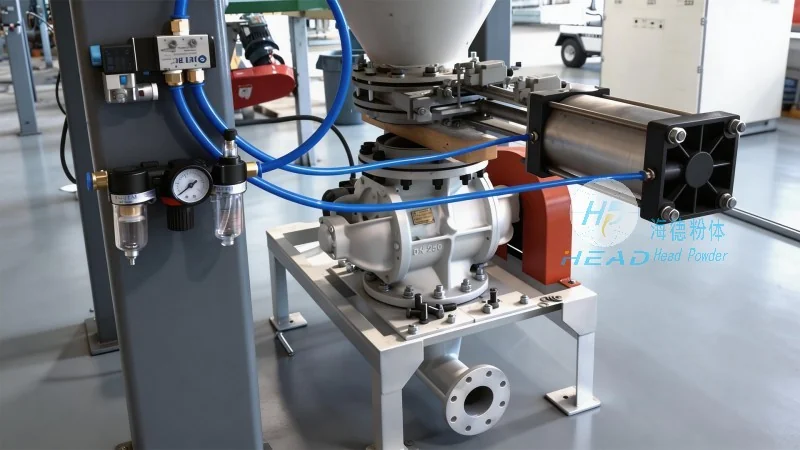
Introduction to Graphite Crushed Material Conveying System
Before delving into the operation process, it is essential to understand the role and significance of the graphite crushed material conveying system. As a crucial piece of industrial equipment, this system is engineered to address the challenges associated with transporting graphite in its crushed state. The system is typically used in industries such as graphite manufacturing, battery production, and chemical processing, where consistent and efficient material flow is critical for production efficiency and product quality. The equipment is designed to handle the abrasive and slippery nature of graphite, ensuring minimal wear and tear while maintaining high throughput rates.
Key Components of the Conveying System
The graphite crushed material conveying system comprises several key components that work in tandem to facilitate the transport of graphite. These components include the hopper, conveyor belt or screw conveyor, motor drive system, control panel, and discharge mechanism. The hopper serves as the initial collection point, where graphite crushed material is fed into the system. It is typically designed with a sloped surface to allow for smooth material flow into the conveyor. The conveyor itself, whether a belt or screw type, is chosen based on the specific characteristics of the graphite material, such as its size, density, and moisture content. The motor drive system provides the necessary power to move the conveyor, ensuring consistent speed and operation. The control panel allows operators to monitor and adjust the system's parameters, such as speed and material flow rate. Finally, the discharge mechanism ensures that the graphite material is delivered to the next processing stage or storage area efficiently.
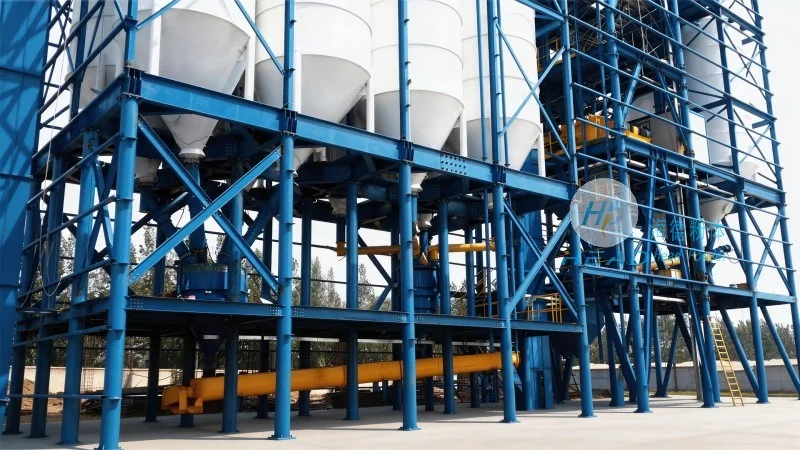
Operation Process of the Conveying System
The operation process of the graphite crushed material conveying system involves several sequential steps that ensure the smooth and continuous transport of graphite. The process begins with the loading of graphite crushed material into the hopper. The material is then released from the hopper into the conveyor, where it is carried along the path of the conveyor. The conveyor system moves the material at a controlled speed, ensuring that it is transported to the discharge point without any blockages or interruptions. The control panel allows operators to adjust the speed of the conveyor based on the material load and processing requirements. As the material reaches the discharge point, it is collected and directed to the next stage of processing or storage. The entire operation is designed to be automated, with minimal human intervention required, thus enhancing operational efficiency and reducing labor costs.
Working Principle of the Conveying System
The working principle of the graphite crushed material conveying system is based on the mechanical movement of the conveyor components. The motor drive system powers the conveyor, which then moves the material along its path. The hopper's design ensures that the material is evenly distributed onto the conveyor, preventing any buildup or uneven flow. The control panel monitors the system's performance, adjusting the speed and other parameters as needed to maintain optimal operation. The discharge mechanism ensures that the material is released in a controlled manner, preventing spillage or loss. The entire system operates on the principle of continuous material flow, where the material is moved from the input point to the output point without any interruptions. This continuous flow is crucial for maintaining production efficiency and ensuring that the graphite material is processed in a timely manner.
Technical Considerations and Maintenance
Several technical considerations are essential for the proper operation and longevity of the graphite crushed material conveying system. These include the selection of appropriate materials for the conveyor components, such as high-quality rubber or metal, to withstand the abrasive nature of graphite. Regular maintenance is also critical to ensure the system's efficiency and reliability. This includes checking the motor drive system for any signs of wear or damage, inspecting the conveyor belt or screw for wear and tear, and cleaning the hopper and discharge mechanism to prevent material buildup. Proper maintenance can significantly extend the lifespan of the equipment and reduce downtime, thus contributing to overall operational cost savings.
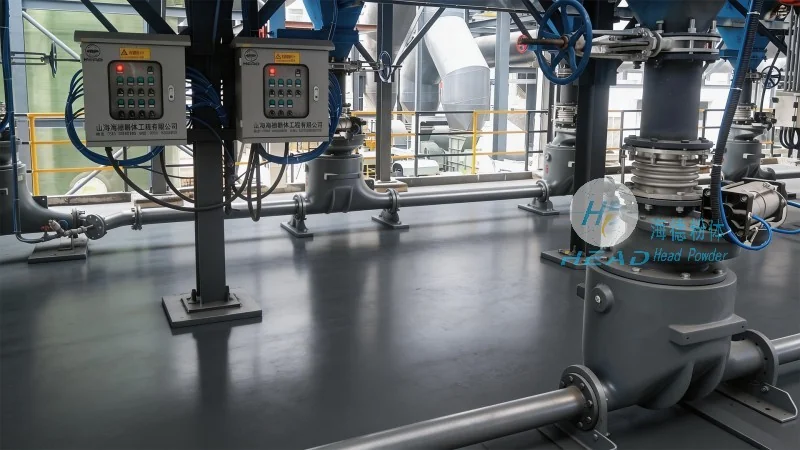
Applications and Benefits
The graphite crushed material conveying system is widely used in various industrial applications due to its efficiency and reliability. Its primary benefits include improved material handling efficiency, reduced labor costs, and enhanced production throughput. The system is particularly useful in industries where consistent material flow is critical, such as battery manufacturing, where the quality and uniformity of graphite material are essential for product performance. Additionally, the system's ability to handle abrasive materials like graphite reduces equipment wear and tear, leading to lower maintenance costs over time. The system also contributes to a safer working environment by minimizing manual handling of graphite material, thus reducing the risk of accidents and injuries.
Conclusion
In conclusion, the graphite crushed material conveying system equipment is a vital component in the processing and handling of graphite material. Its operation process and working principle are designed to ensure efficient and reliable transport of graphite, meeting the demands of various industrial applications. The system's key components, operational steps, and technical considerations all contribute to its effectiveness in handling the unique properties of graphite. With proper maintenance and operation, this equipment can significantly enhance production efficiency and contribute to overall operational success. As a result, the graphite crushed material conveying system remains a critical investment for industries relying on graphite processing and transportation.