Stabilizer powder pneumatic conveying systems are crucial in modern industrial operations, facilitating the efficient transport of bulk materials. This article provides a comprehensive classification and application analysis of such systems, focusing on the technical aspects and practical implementations. The discussion is centered around the expertise of Shandong HeadPowder Engineering Co., Ltd., a leading company based in Shandong, China, specializing in engineering solutions for material handling.
Company Overview and Expertise
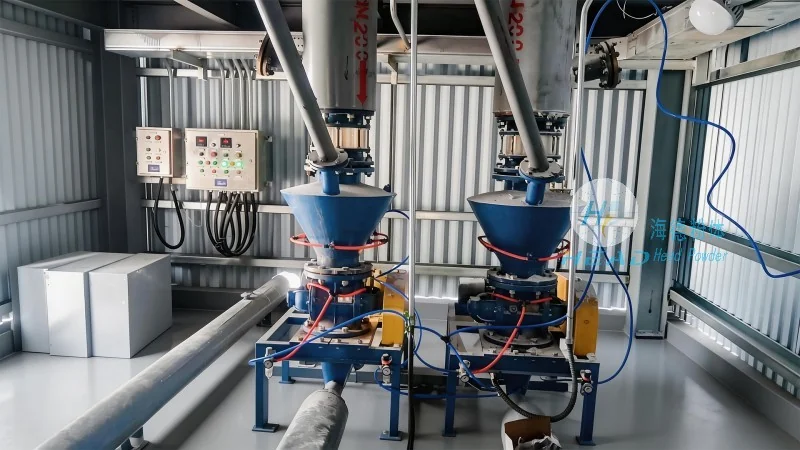
Shandong HeadPowder Engineering Co., Ltd. is a professional enterprise dedicated to the research, development, and application of pneumatic conveying technologies. With a strong presence in Shandong, China, the company leverages decades of industry experience to design and implement customized solutions for various industrial sectors. The company's commitment to quality and innovation ensures that clients receive systems tailored to their specific operational needs, enhancing productivity and safety in material handling processes.
Classification of Stabilizer Powder Pneumatic Conveying Systems
Stabilizer powder pneumatic conveying systems can be broadly classified based on the pressure differential and operational principles. The primary categories include positive pressure systems, negative pressure systems, and hybrid systems. Each type has distinct characteristics and is suitable for different material properties and application scenarios.
Positive Pressure Systems
Positive pressure systems operate by blowing air or gas into the conveying line, creating a pressure higher than the ambient environment. This method is effective for transporting materials over longer distances and through complex piping networks. The system typically includes a blower, a material feeder, and a receiver, with the air being supplied continuously to maintain the pressure. Positive pressure systems are commonly used for abrasive or corrosive materials, as the high-pressure air helps to maintain material flow and prevent blockages.
Negative Pressure Systems
Negative pressure systems, also known as vacuum systems, operate by creating a vacuum in the conveying line, drawing material from the source to the receiver. This approach is ideal for applications requiring dust control and material containment, as the sealed system prevents particles from escaping into the environment. Negative pressure systems are often preferred for transporting fine powders and granules, where dust generation is a concern. The system consists of a vacuum pump, a material hopper, and a filter to capture any airborne particles.
Hybrid Systems
Hybrid systems combine elements of both positive and negative pressure operations, offering flexibility and enhanced performance. These systems use a combination of blowers and vacuum pumps to optimize material transport under varying conditions. Hybrid systems are particularly useful for handling a wide range of materials, from fine powders to bulk solids, and can be adapted to different operational requirements. The integration of both pressure and vacuum components allows for more efficient energy use and better control over the conveying process.
Application Analysis of Stabilizer Powder Pneumatic Conveying Systems
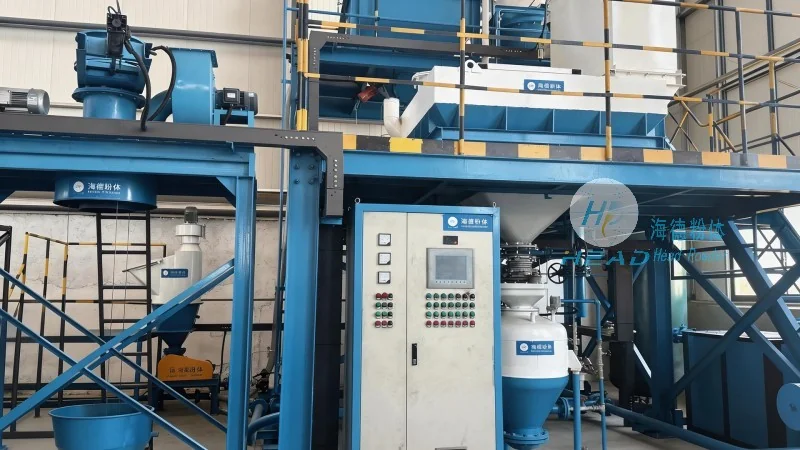
The application of stabilizer powder pneumatic conveying systems spans multiple industries, including chemical manufacturing, construction materials, food processing, and pharmaceuticals. Each industry has unique requirements for material handling, and the systems are designed to meet these specific needs. The following sections provide an analysis of key applications and the benefits they offer.
Chemical Industry
In the chemical industry, stabilizer powders are often used as additives in the production of polymers, coatings, and adhesives. Pneumatic conveying systems are essential for transporting these powders from storage silos to processing units, ensuring a consistent and controlled feed. The systems help to maintain product quality by preventing contamination and ensuring uniform material distribution. For example, in the production of polymer resins, the positive pressure system is used to transport fine powders over long distances, while the negative pressure system is employed for dust-sensitive materials.
Construction Materials Industry
The construction materials industry relies on pneumatic conveying systems to transport cement, lime, and other bulk powders. These materials are typically stored in large silos and need to be delivered to mixing plants or construction sites efficiently. The systems provide a cost-effective and dust-free method of material transport, reducing labor costs and improving safety on construction sites. The positive pressure system is commonly used for transporting cement, as it can handle high volumes and long distances without significant pressure loss.
Food Processing Industry
In the food processing industry, the use of stabilizer powders is critical for maintaining product quality and shelf life. Pneumatic conveying systems are used to transport these powders from storage to processing equipment, ensuring that the materials are handled hygienically and without contamination. The negative pressure system is preferred in this industry due to its ability to maintain a clean environment and prevent cross-contamination. The systems are designed with stainless steel components and are easy to clean, meeting the stringent hygiene standards required by food safety regulations.
Pharmaceutical Industry
The pharmaceutical industry requires highly controlled and sterile material handling processes. Stabilizer powder pneumatic conveying systems are used to transport active pharmaceutical ingredients (APIs) and other powders with precision. The systems are designed to minimize particle loss and ensure that the materials remain within the required specifications. The use of positive pressure systems with enclosed hoppers and filters helps to maintain a sterile environment, reducing the risk of contamination. The systems are also equipped with safety features such as pressure relief valves and emergency shut-off mechanisms to ensure operational safety.
Technical Advantages and Considerations
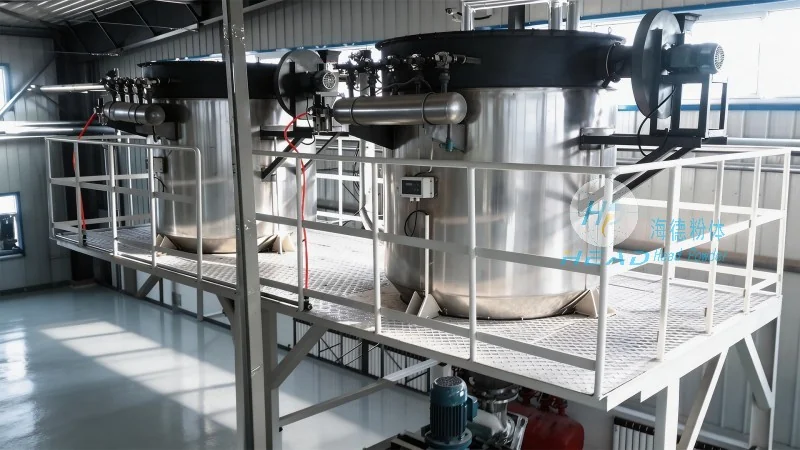
Stabilizer powder pneumatic conveying systems offer several technical advantages over traditional material handling methods. These include increased efficiency, reduced labor costs, improved safety, and better material quality control. However, the selection and implementation of the system require careful consideration of several factors, including material properties, conveying distance, and operational requirements.
Efficiency and Cost-Effectiveness
Pneumatic conveying systems are highly efficient in terms of energy use and material transport. Compared to traditional methods such as belt conveyors or bucket elevators, pneumatic systems can transport materials over longer distances with less energy consumption. This results in lower operational costs and increased productivity. The systems also reduce the need for manual handling, minimizing labor costs and improving workplace safety.
Safety and Environmental Benefits
One of the key advantages of pneumatic conveying systems is their ability to handle materials in a dust-free environment. The sealed systems prevent dust from escaping into the workplace, reducing the risk of respiratory diseases and improving overall air quality. The systems also minimize the risk of material spillage and contamination, ensuring that the materials remain within the required specifications. For industries such as food and pharmaceuticals, the dust-free operation is crucial for maintaining product quality and meeting regulatory standards.
Material Handling Flexibility
Stabilizer powder pneumatic conveying systems are highly flexible and can be adapted to various material properties and operational requirements. The systems can handle a wide range of materials, from fine powders to bulk solids, and can be customized to meet specific conveying needs. The ability to adjust the pressure and flow rate allows for precise control over the material transport process, ensuring that the materials are delivered to the desired location efficiently and effectively.
Conclusion
Stabilizer powder pneumatic conveying systems are essential components in modern industrial operations, providing efficient and safe material handling solutions. The classification and application analysis presented in this article highlight the importance of selecting the appropriate system based on specific operational requirements. Shandong HeadPowder Engineering Co., Ltd. offers comprehensive engineering solutions for pneumatic conveying systems, ensuring that clients receive customized solutions tailored to their needs. By leveraging advanced technology and industry expertise, the company helps industries improve productivity, reduce costs, and enhance safety in material handling processes.




