

Operation Process and Working Principle of Paddy Husk Material Conveying System Equipment
HeadPowder, a leading manufacturer based in Shandong, China, specializes in the design and production of efficient paddy husk material conveying systems. These systems are engineered to handle the unique challenges of processing paddy husk, a byproduct of rice milling operations. The equipment is designed to ensure smooth material flow, high efficiency, and reliable performance in industrial settings.
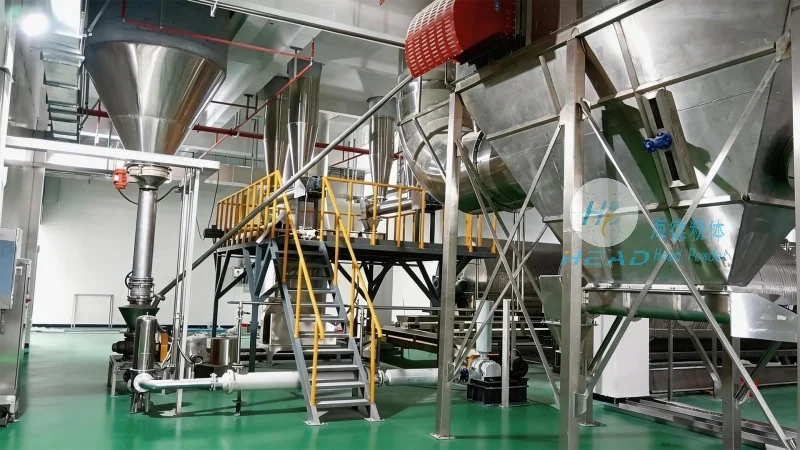
Company Overview
HeadPowder Engineering Co., Ltd. is a professional enterprise dedicated to providing high-quality material handling solutions. With a strong presence in Shandong, China, the company has established itself as a trusted supplier in the industry. Our team of experts focuses on developing innovative systems that meet the specific needs of clients, ensuring optimal performance and durability.
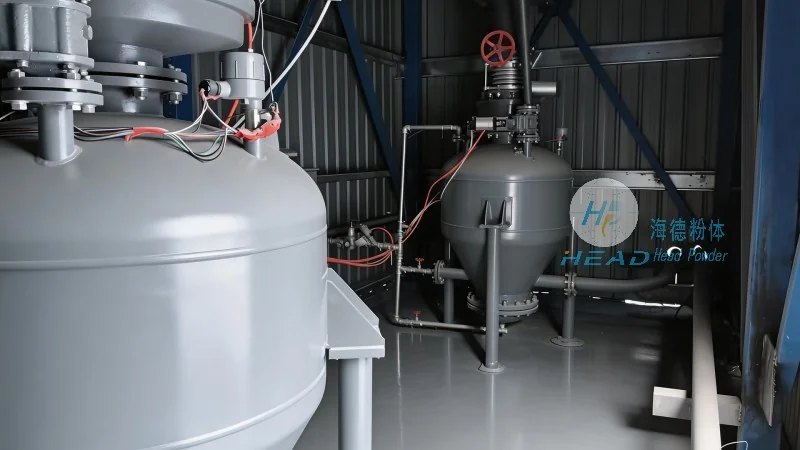
Address and Location
HeadPowder Engineering Co., Ltd. is located in Shandong, China. Our facility is strategically positioned to support efficient production and delivery of our conveying systems, ensuring timely service to clients across the region.
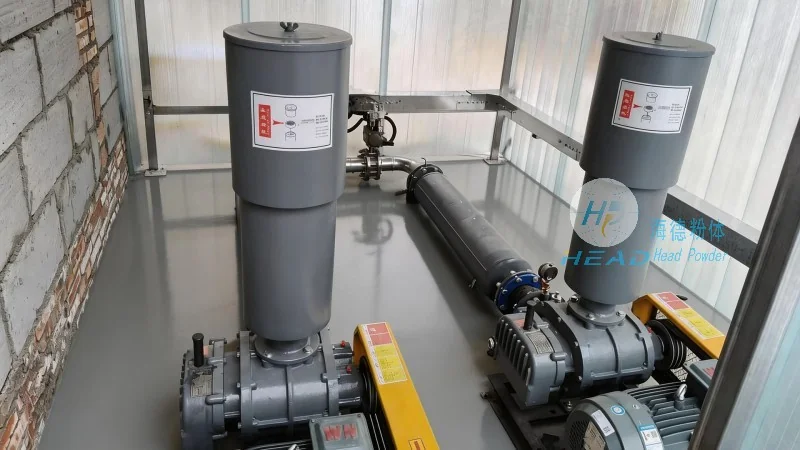
Operation Process of Paddy Husk Material Conveying System
The operation of the paddy husk material conveying system involves several key steps that ensure efficient material handling. The process begins with the intake of paddy husk from the storage area. The material is then fed into the conveyor system, which may include components such as hoppers, feeders, and conveyor belts. The system is designed to handle the bulk material with minimal resistance, ensuring consistent flow. The conveyor system transports the paddy husk to the processing or storage area, where it can be further utilized or disposed of as needed. The entire process is automated to minimize human intervention, enhancing safety and operational efficiency.
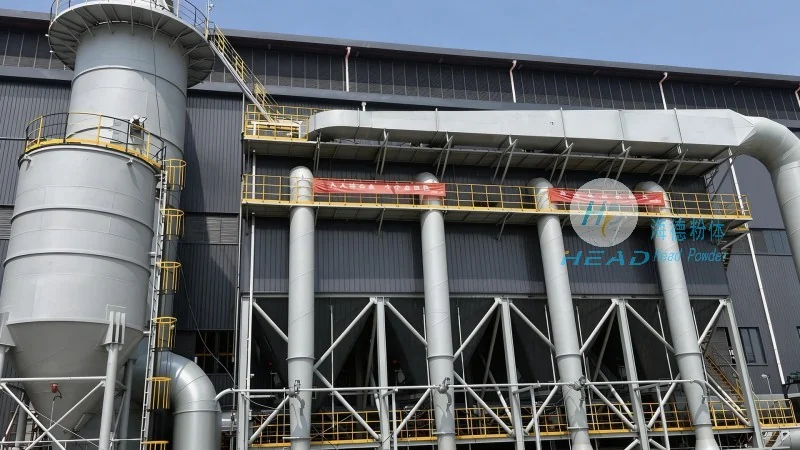
Working Principle of the Conveying Equipment
The working principle of the paddy husk material conveying system is based on mechanical and gravitational forces. The system utilizes conveyor belts or screw conveyors to move the material from one location to another. The hoppers and feeders regulate the flow of material, ensuring that the conveyor operates at an optimal rate. The design of the system minimizes friction and material buildup, which helps maintain consistent performance. The equipment is equipped with sensors and controls that monitor the system's operation, allowing for real-time adjustments to maintain efficiency. This integrated approach ensures that the conveying process is both effective and reliable, meeting the demands of industrial applications.