Shandong HeadPowder Engineering Co., Ltd. specializes in the design, manufacturing, and supply of advanced agricultural machinery, including the corn stalk material conveying system. This equipment is specifically engineered to handle the efficient transport of corn stalks, a critical step in the post-harvest processing of corn crops. The system is built to meet the demands of modern agricultural operations, ensuring high throughput and reliability in various field conditions.
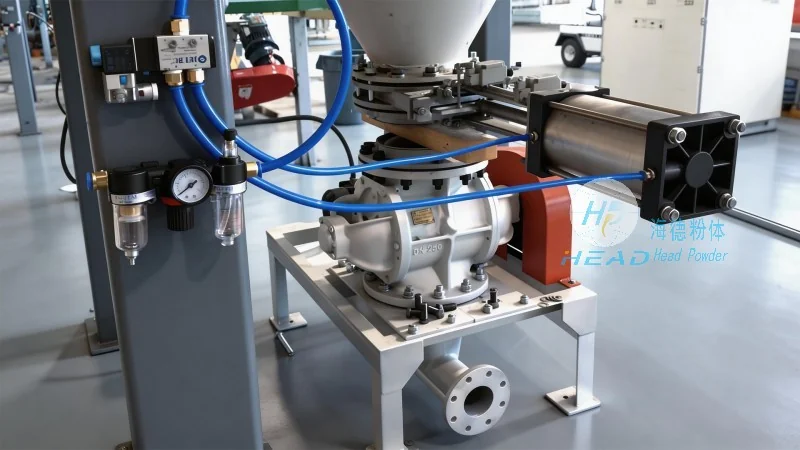
Key Components of the Conveying System
The corn stalk material conveying system comprises several key components that work in tandem to achieve optimal performance. These include the intake mechanism, which captures the corn stalks from the field; the conveyor belt or auger system, responsible for moving the material; and the discharge unit, which delivers the processed stalks to the next stage of processing. Each component is designed with durability and efficiency in mind, using high-quality materials that can withstand the rigors of continuous operation.
Operation Process of the Conveying System
The operation of the corn stalk material conveying system begins with the intake mechanism, which may be a rotating drum or a series of paddles that gather the corn stalks from the ground. As the stalks are collected, they are fed into the conveyor system. The conveyor belt or auger then transports the material along the length of the system, ensuring a steady flow. The speed of the conveyor is adjustable, allowing operators to match the system's output to the processing capacity of downstream equipment. The discharge unit then releases the stalks, either into a storage bin or directly to a processing unit, such as a baling machine or a pelletizing system.
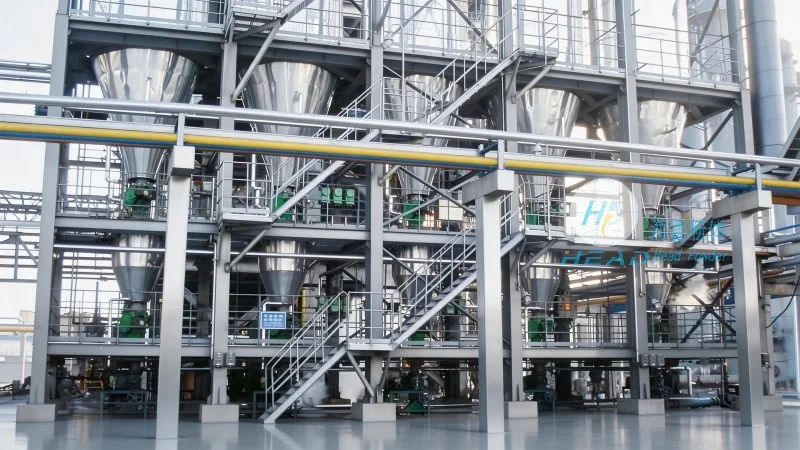
Working Principle of the Conveying System
The working principle of the corn stalk material conveying system is based on mechanical energy transfer. The intake mechanism uses rotational force to pull the corn stalks into the system, while the conveyor belt or auger utilizes friction and gravity to move the material forward. The system is powered by an electric motor or a diesel engine, which provides the necessary energy to drive the components. The design of the system minimizes friction and resistance, ensuring that the material is moved with minimal energy loss. Additionally, the system is equipped with safety features, such as guards and emergency stop buttons, to protect operators and prevent accidents.
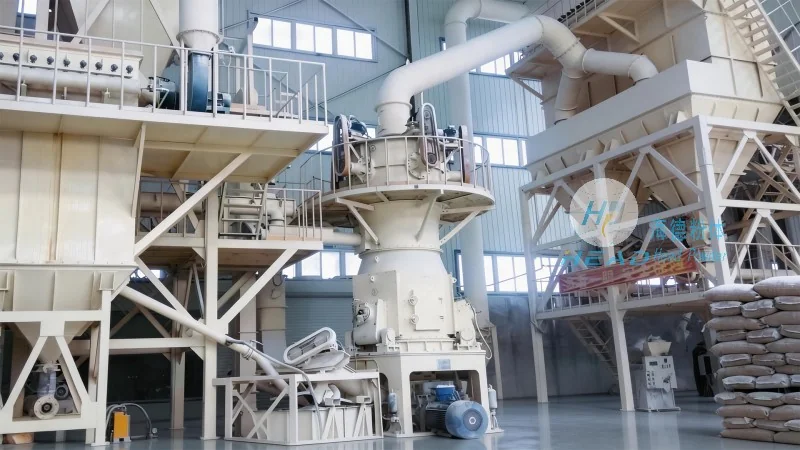
Advantages of Using Corn Stalk Material Conveying System
Implementing a corn stalk material conveying system offers several advantages for agricultural operations. First, it significantly improves the efficiency of post-harvest processing by reducing the time and labor required to move the stalks. The system can handle large volumes of material, increasing the overall throughput of the operation. Second, the system is designed to be durable and low-maintenance, reducing the long-term costs associated with equipment repair and replacement. Third, the system can be customized to meet the specific needs of different agricultural operations, such as varying field sizes and processing requirements. Finally, the system is environmentally friendly, as it reduces the need for manual handling of corn stalks, which can be harmful to the environment.
Application Scenarios
The corn stalk material conveying system is widely used in various agricultural applications, including corn silage production, baling, and pelletizing. In corn silage production, the system is used to transport the corn stalks to a silo or a storage facility, where they are processed into silage for livestock feed. In baling operations, the system feeds the stalks into a baler, which compresses them into bales for storage or transport. In pelletizing operations, the system delivers the stalks to a pelletizer, which converts them into pellets for animal feed or biofuel. The system is also used in other agricultural applications, such as the processing of other crop residues, such as wheat straw or rice husks.




