

Operation Process and Working Principle of Lithium Battery Material Conveying System Equipment
HeadPowder, a leading manufacturer based in Shandong, China, specializes in the design and production of advanced lithium battery material conveying systems. These systems are crucial for the efficient handling and transportation of raw materials and components within lithium battery production lines. The following sections detail the operation process and working principles of such equipment, highlighting key components and their functions.
Key Components and Their Roles
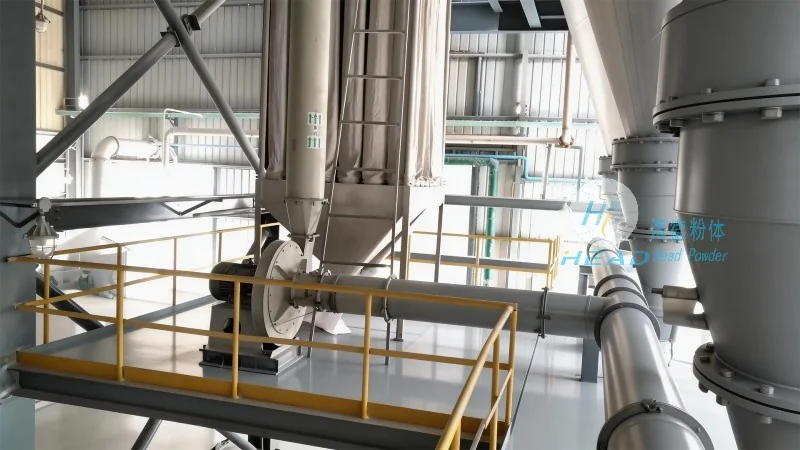
The lithium battery material conveying system typically consists of several core components that work in tandem to ensure smooth material flow. These include feeders, conveyors, storage hoppers, and control systems. Each component plays a vital role in the overall operation, contributing to the system's reliability and efficiency.
Operation Process
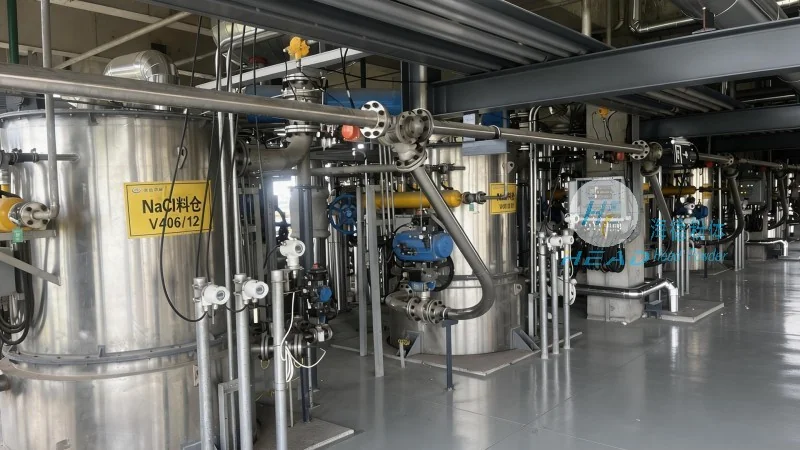
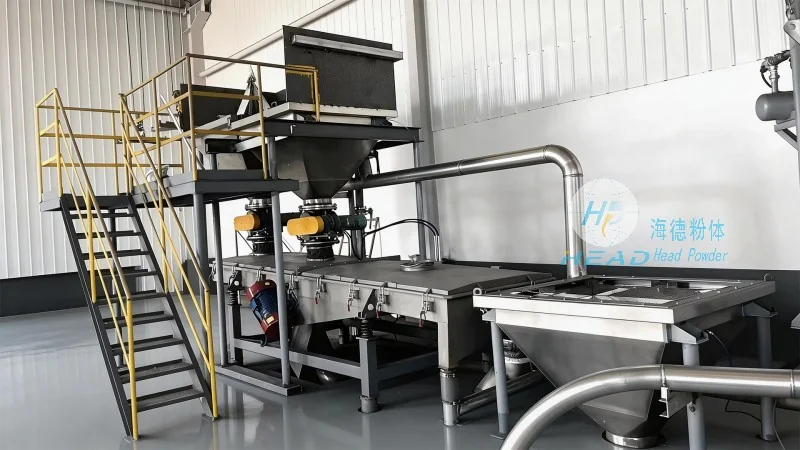
The operation process of the lithium battery material conveying system begins with material feeding. Raw materials, such as lithium compounds or metal powders, are fed into the system through hoppers or feeders. The feeders regulate the flow rate, ensuring a consistent supply of material to the subsequent conveying stages. Once the material is fed, it is transported through a series of conveyors, which may include belt conveyors, screw conveyors, or pneumatic conveying systems, depending on the material properties and production requirements. The conveying system moves the material to the next processing stage, such as mixing or coating, where it is further processed into battery components.
Working Principles
The working principles of the lithium battery material conveying system are based on mechanical and pneumatic forces, depending on the specific design. For mechanical conveyors, such as belt or screw conveyors, the system uses motor-driven mechanisms to move the material along a defined path. The motor provides the necessary torque to drive the conveyor belt or screw, ensuring the material is transported efficiently. For pneumatic conveying systems, the material is transported using air pressure, where the material is suspended in a stream of air and directed to the desired location. The control system monitors the flow rate, pressure, and other parameters to maintain optimal operation and prevent material blockages or overflows.
Benefits and Applications
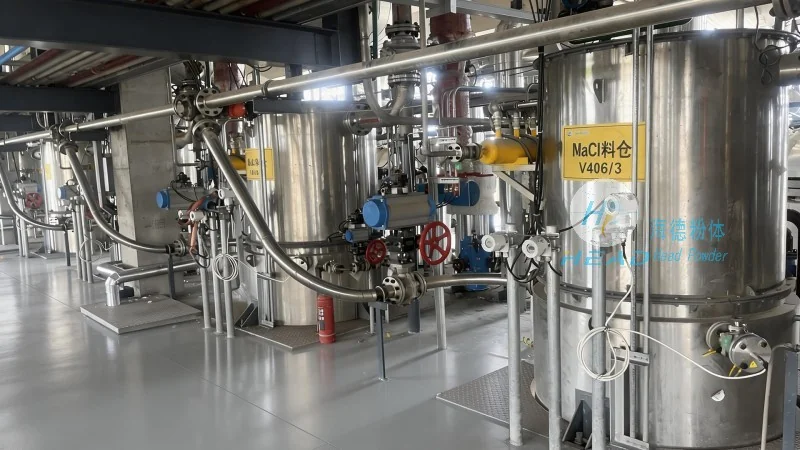
The lithium battery material conveying system offers several benefits, including improved material handling efficiency, reduced labor costs, and enhanced safety in the production environment. These systems are widely used in lithium battery manufacturing plants to handle various materials, including active materials, binders, and conductive agents. The system's design allows for customization to meet specific production needs, ensuring compatibility with different battery types and production scales.