

Technical Analysis of Sodium Stearate Pneumatic Conveying Systems: A Comparison of Positive Pressure
When it comes to transporting Sodium Stearate efficiently and safely, the choice of pneumatic conveying system can significantly impact operational performance and cost-effectiveness. Two primary modes dominate the industry: positive pressure and negative pressure systems. Understanding the technical nuances of each is crucial for selecting the optimal solution for specific applications. This analysis delves into the characteristics, advantages, and limitations of both positive and negative pressure pneumatic conveying systems, providing insights to help decision-makers choose the best approach for their Sodium Stearate handling needs.
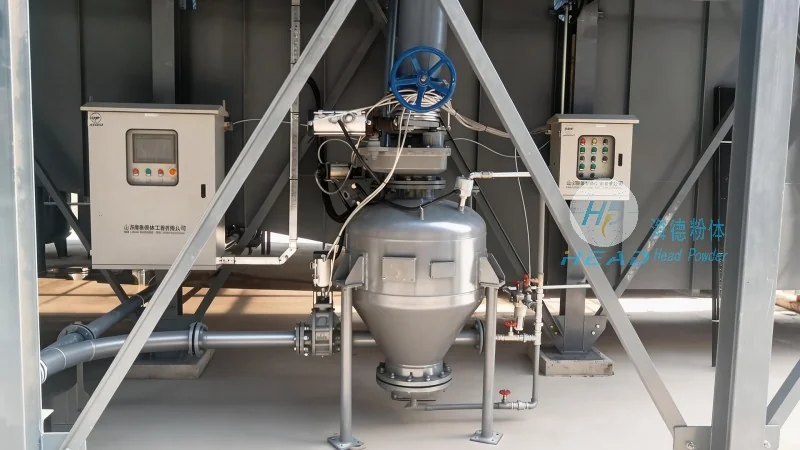
Introduction to Pneumatic Conveying Systems for Sodium Stearate
Sodium Stearate, a widely used chemical in various industries including cosmetics, pharmaceuticals, and food processing, often requires specialized handling due to its granular or powdery nature. Pneumatic conveying systems offer a non-contact, dust-free method to transport this material from one location to another, enhancing safety and product integrity. The core of these systems lies in the use of air or gas to move the material through a pipeline. The two main categories are positive pressure and negative pressure systems, each with distinct operational principles and applications.
Positive Pressure Pneumatic Conveying Systems
Positive pressure systems operate by blowing air or gas into the conveying line, creating a pressure higher than the ambient environment. This method propels the material forward, making it suitable for long-distance and high-capacity transport. The system typically includes a blower or compressor at the inlet, which supplies the necessary pressure to move the material. A key advantage of positive pressure systems is their ability to handle abrasive materials and high volumes without excessive wear on components. For Sodium Stearate, which may have varying particle sizes and flow characteristics, positive pressure systems can maintain consistent flow rates and minimize material degradation.
However, positive pressure systems require more robust equipment and higher energy consumption compared to negative pressure systems. The high pressure can also lead to increased maintenance costs and potential safety concerns if not properly managed. Additionally, the system's design must account for the pressure differential and the need for efficient air separation at the discharge point to prevent product loss or contamination.
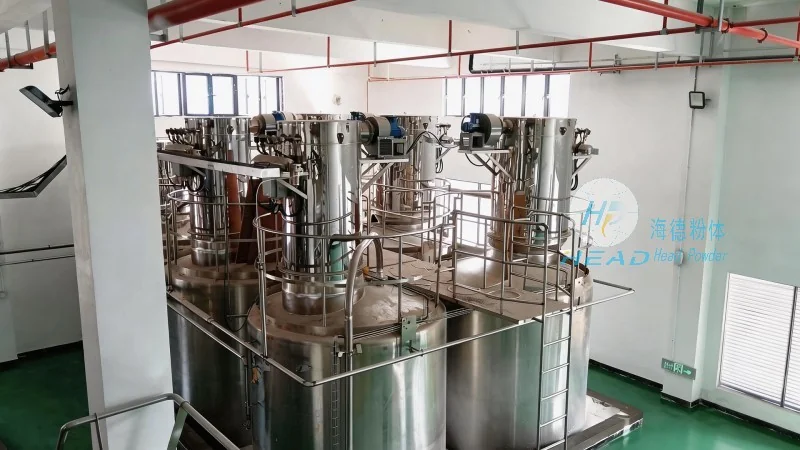
Negative Pressure Pneumatic Conveying Systems
Negative pressure systems, on the other hand, create a vacuum or reduced pressure within the conveying line, drawing the material into the system. This approach is ideal for applications where the material is to be collected from multiple points or where the discharge point is at a lower elevation than the inlet. The system uses a vacuum pump or fan to create the negative pressure, which pulls the material through the pipeline. A significant advantage of negative pressure systems is their lower energy consumption and reduced equipment complexity compared to positive pressure systems. They are also less likely to cause dust emissions during transport, making them suitable for applications where environmental regulations are stringent.
Nevertheless, negative pressure systems have limitations, particularly when dealing with fine powders like Sodium Stearate. The vacuum can cause material to stick to the pipeline walls, leading to blockages and reduced efficiency. Additionally, the system's performance can be affected by changes in ambient conditions, such as temperature and humidity, which may alter the material's flow properties. Proper design and maintenance are essential to mitigate these issues and ensure reliable operation.
Key Factors in Choosing Between Positive and Negative Pressure Systems for Sodium Stearate
The selection between positive and negative pressure pneumatic conveying systems for Sodium Stearate depends on several critical factors. These include the distance and elevation changes between the source and destination, the material's flow characteristics (e.g., particle size, moisture content), the required capacity, and the environmental regulations in the operating area. For instance, if the transport distance is long and the discharge point is at a higher elevation, a positive pressure system may be more suitable due to its ability to overcome gravitational forces effectively. Conversely, if the material is to be collected from multiple points or the discharge is at a lower level, a negative pressure system might offer better efficiency and lower energy costs.
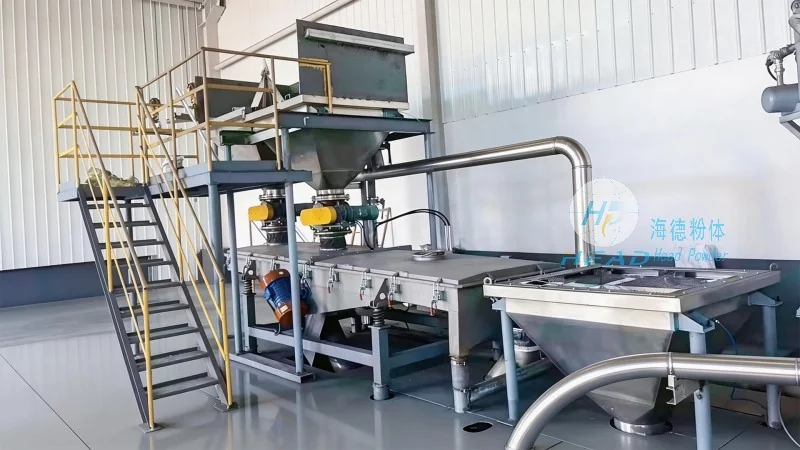
Another important consideration is the material's sensitivity to air exposure. Sodium Stearate, being a chemical, may degrade or react with air over time. Negative pressure systems, by minimizing air contact, can help preserve the material's quality, making them preferable in applications where product integrity is paramount. However, positive pressure systems can be designed with air filtration and recycling systems to mitigate this issue, allowing for flexible operation.
Equipment and Components for Sodium Stearate Pneumatic Conveying
Both positive and negative pressure systems rely on specific equipment to ensure efficient operation. For positive pressure systems, key components include a blower or compressor, a material feeder (such as a rotary valve or screw feeder), a conveying line, and a dust collector or air filter at the discharge end. The blower provides the necessary pressure to move the material, while the feeder controls the flow rate to maintain consistent performance. The conveying line must be appropriately sized and constructed to handle the material's particle size and flow characteristics, often using materials like stainless steel to prevent corrosion.
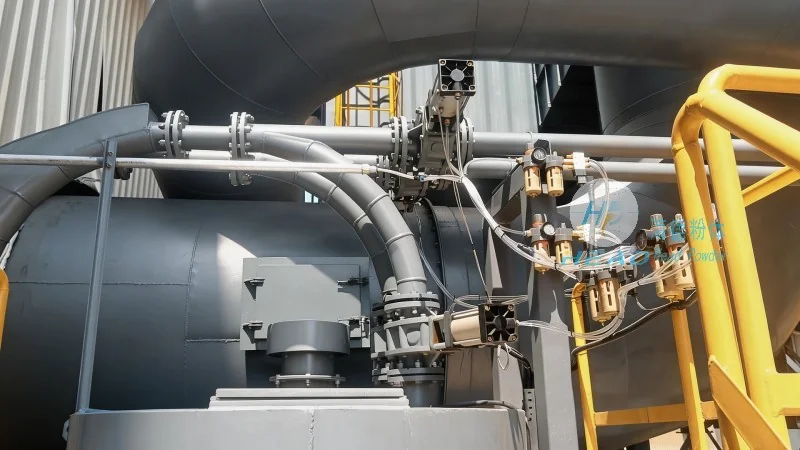
For negative pressure systems, the primary components are a vacuum pump or fan, a material inlet (e.g., a hopper or collection point), a conveying line, and an air filtration system at the inlet to prevent dust from entering the vacuum pump. The vacuum pump creates the negative pressure, drawing the material into the system. The air filtration system is critical to maintain the vacuum pump's efficiency and prevent material buildup, which can reduce performance over time.
Operational Considerations and Maintenance
Operational considerations for both systems include monitoring pressure levels, flow rates, and material feed consistency. Regular maintenance is essential to ensure the longevity and reliability of the equipment. For positive pressure systems, this includes checking blower performance, cleaning air filters, and inspecting the conveying line for wear or blockages. For negative pressure systems, maintenance focuses on vacuum pump efficiency, air filtration system performance, and preventing material accumulation in the pipeline. Proper maintenance schedules, as recommended by manufacturers like Shandong HeadPowder Engineering Co., Ltd., based in China, can significantly extend the lifespan of the system and reduce downtime.
Conclusion: Selecting the Right Pneumatic Conveying System for Sodium Stearate
In conclusion, the choice between positive and negative pressure pneumatic conveying systems for Sodium Stearate depends on a careful evaluation of operational requirements, material characteristics, and cost considerations. Positive pressure systems offer high capacity and efficiency for long-distance transport, while negative pressure systems provide lower energy consumption and better material preservation for specific applications. By understanding the technical advantages and limitations of each system, manufacturers and operators can select the optimal solution to meet their needs. With proper design, equipment selection, and maintenance, pneumatic conveying systems can effectively handle Sodium Stearate, ensuring safe, efficient, and cost-effective material transport.