Limestone is a critical raw material in various industrial processes, including cement production, flue gas desulfurization, and chemical manufacturing. Efficient and reliable material handling is paramount to ensure smooth operations and maintain product quality. Pneumatic conveying systems offer a solution for transporting limestone, but the choice between positive pressure and negative pressure systems requires careful consideration. This article explores the key differences between these two approaches, helping you make an informed decision for your limestone handling needs.
Understanding Positive Pressure Pneumatic Conveying
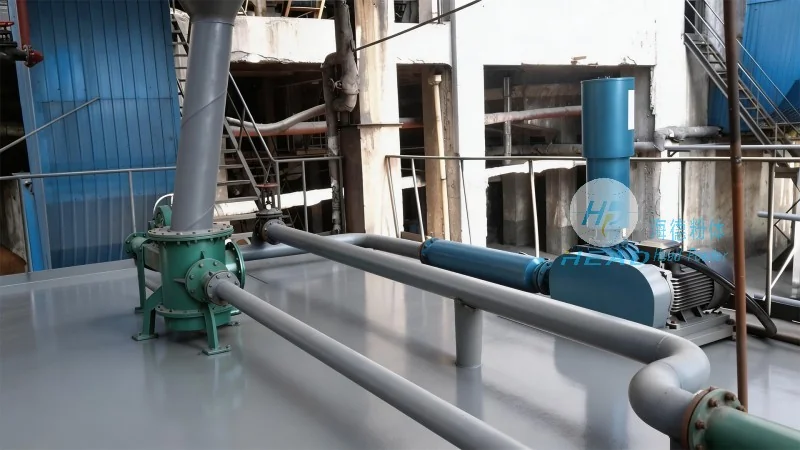
Positive pressure systems operate by blowing air or a carrier gas into the conveying line, creating a pressure higher than the ambient air. The material is drawn into the system by the pressure differential and transported through the pipeline. This method is particularly effective for short to medium distance conveying and when the material is relatively dry and free-flowing. The primary advantage of positive pressure systems is their ability to handle abrasive materials without excessive wear on the equipment. They are also suitable for applications where the material needs to be discharged into a controlled environment, such as a silo or storage tank. HeadPowder, a leading provider of pneumatic conveying solutions, offers positive pressure systems tailored to limestone handling requirements. Our systems are designed with durable components to withstand the abrasive nature of limestone, ensuring long-term reliability and minimal maintenance.
Advantages of Positive Pressure Systems
Positive pressure systems excel in scenarios where the material is to be conveyed over short to medium distances, typically up to several hundred meters. They are ideal for applications where the material is dry and free-flowing, as the high pressure helps maintain the material's flow characteristics. Another key advantage is the ability to handle abrasive materials without significant wear on the conveying equipment. This makes positive pressure systems a cost-effective choice for limestone handling, as they require less frequent replacement of components. Additionally, positive pressure systems allow for controlled discharge into a storage facility, preventing dust and material loss. HeadPowder's positive pressure solutions are engineered to meet these needs, providing efficient and reliable material transport with minimal downtime.
Exploring Negative Pressure Pneumatic Conveying
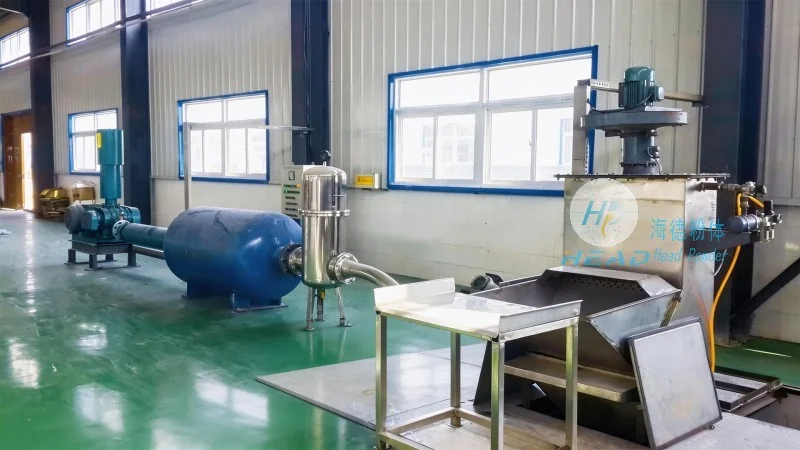
Negative pressure systems, also known as suction systems, operate by creating a vacuum in the conveying line, drawing material into the system. The material is then transported through the pipeline using the vacuum pressure. This method is commonly used for long-distance conveying and when the material is dusty or has a tendency to generate fine particles. Negative pressure systems are particularly effective for applications where the material needs to be collected from multiple sources or where the discharge point is lower than the collection point. The main advantage of negative pressure systems is their ability to handle large volumes of material over extended distances. They are also suitable for applications where the material is prone to generating dust, as the suction process helps contain the material within the system. However, negative pressure systems require more careful design to prevent material blockages and ensure consistent flow. HeadPowder provides negative pressure systems that are optimized for limestone handling, with features to minimize dust generation and maintain consistent material flow.
Key Differences Between Positive and Negative Pressure Systems
When deciding between positive and negative pressure systems for limestone pneumatic conveying, several factors must be considered. The primary difference lies in the direction of air flow and the pressure differential. Positive pressure systems use compressed air to push material, while negative pressure systems use vacuum to pull material. This affects the system's suitability for different distances and material characteristics. For short to medium distances and dry, free-flowing limestone, positive pressure systems are often more efficient and cost-effective. They are less prone to material blockages and require less maintenance. Conversely, negative pressure systems are better suited for long-distance conveying and dusty materials, as they can handle larger volumes and maintain consistent flow over extended pipelines. The choice also depends on the discharge requirements; positive pressure systems allow for controlled discharge into a storage facility, while negative pressure systems may require additional equipment to manage dust and material containment. HeadPowder's expertise in both system types enables us to recommend the most appropriate solution based on your specific operational needs and material characteristics.
How to Distinguish Between the Two Systems
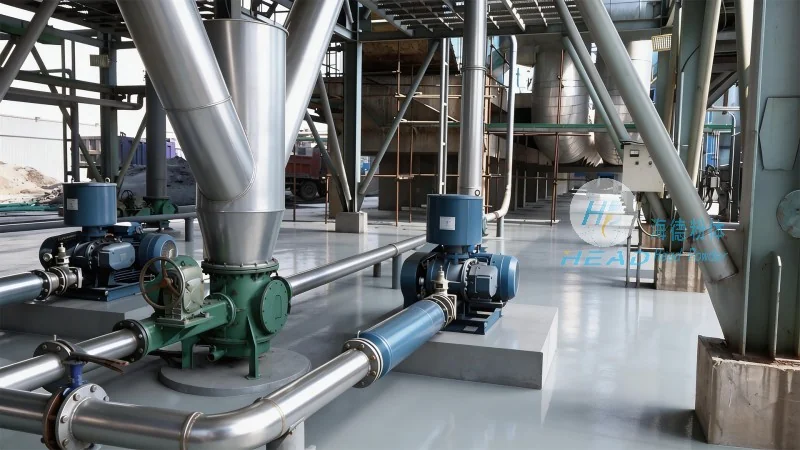
Distinguishing between positive and negative pressure pneumatic conveying systems involves evaluating several key parameters. First, consider the conveying distance and material characteristics. Short to medium distances with dry, free-flowing limestone favor positive pressure systems, while long distances or dusty materials are better suited for negative pressure systems. Second, assess the material's flow properties and abrasiveness. Positive pressure systems are ideal for abrasive materials, as they minimize wear on components. Negative pressure systems may require additional measures to prevent material blockages in dusty conditions. Third, evaluate the discharge requirements. Positive pressure systems allow for controlled discharge into a storage facility, which is beneficial for maintaining product quality. Negative pressure systems may need additional dust control measures to comply with environmental regulations. HeadPowder's technical team can provide a comprehensive analysis of your specific application, helping you determine whether a positive or negative pressure system is the better fit for your limestone handling needs.
Conclusion: Making the Right Choice for Limestone Pneumatic Conveying
Choosing between positive and negative pressure pneumatic conveying systems for limestone handling requires a thorough understanding of the operational requirements and material characteristics. Positive pressure systems offer efficiency and cost-effectiveness for short to medium distances and dry, free-flowing limestone, while negative pressure systems excel in long-distance conveying and dusty applications. By evaluating factors such as distance, material properties, and discharge requirements, you can make an informed decision that ensures optimal performance and minimal operational costs. HeadPowder, with its expertise in pneumatic conveying solutions, is committed to providing tailored systems that meet the unique needs of your limestone handling operations. Our positive and negative pressure systems are designed to deliver reliable, efficient material transport, helping you maintain productivity and product quality in your industrial processes.




