Micropowder pneumatic conveying is a critical process in industries dealing with fine powders, such as pharmaceuticals, food processing, and chemical manufacturing. The choice between positive pressure and negative pressure systems significantly impacts efficiency, cost, and operational safety. Understanding the fundamental differences between these two approaches is essential for selecting the most suitable solution for specific applications.
Key Differences Between Positive and Negative Pressure Conveying
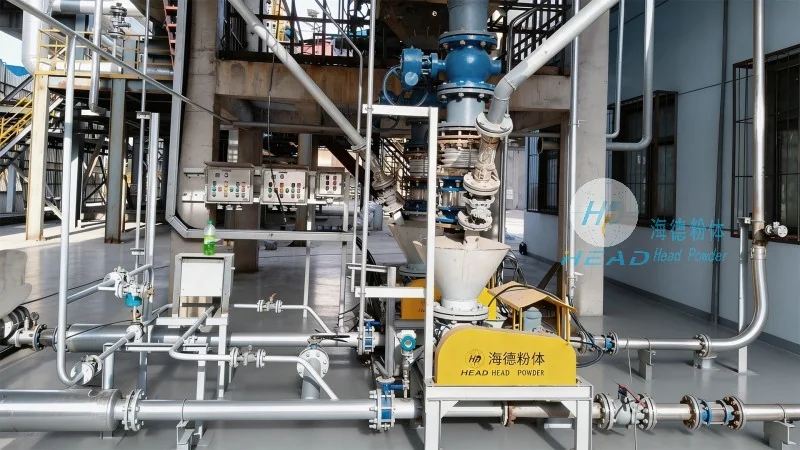
Positive pressure conveying operates by blowing air or gas into the system, pushing the material through the pipeline. This method is generally more suitable for long-distance or high-resistance applications. The system maintains a higher pressure than the surrounding environment, ensuring consistent material flow. In contrast, negative pressure conveying draws material into the system by creating a vacuum or lower pressure than the ambient air. This approach is often preferred for shorter distances or when handling materials that are sensitive to pressure changes.
Factors to Consider When Choosing a System
Several factors influence the decision between positive and negative pressure systems. The distance of the conveying line is a primary consideration. For longer runs, positive pressure is often more efficient due to its ability to maintain pressure over extended lengths. Material properties, including particle size, moisture content, and abrasiveness, also play a role. Materials with high moisture content or those that are prone to caking may require positive pressure to prevent blockages. Additionally, the system's capacity and the need for dust control are important. Positive pressure systems typically offer better dust containment, which is crucial in industries like pharmaceuticals where hygiene is paramount.
Application Examples
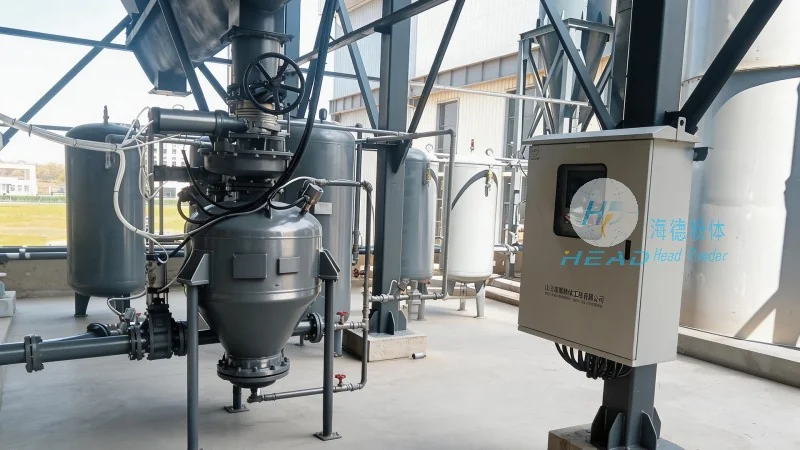
Positive pressure systems are commonly used in pharmaceutical manufacturing for conveying active pharmaceutical ingredients (APIs) and excipients. The controlled environment and pressure maintenance ensure product integrity and prevent contamination. In food processing, positive pressure is used for handling powders like cocoa or flour, where maintaining product quality and preventing cross-contamination is essential. Chemical industries also rely on positive pressure for transporting abrasive or corrosive powders, as the system can handle higher pressures and resist material degradation.
Negative Pressure Conveying Applications
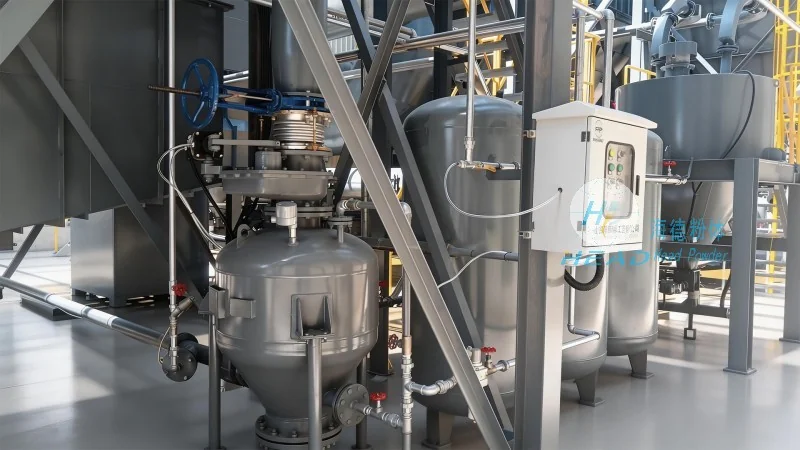
Negative pressure systems are ideal for applications requiring minimal pressure changes and shorter distances. They are often used in laboratory settings or for conveying materials from a hopper to a processing unit within a facility. For example, in the food industry, negative pressure can be used for short-distance conveying of spices or seasonings, where the risk of pressure-related issues is low. In chemical processing, negative pressure is suitable for handling materials that are less abrasive and do not require high pressure to maintain flow.
Advantages and Disadvantages of Each System
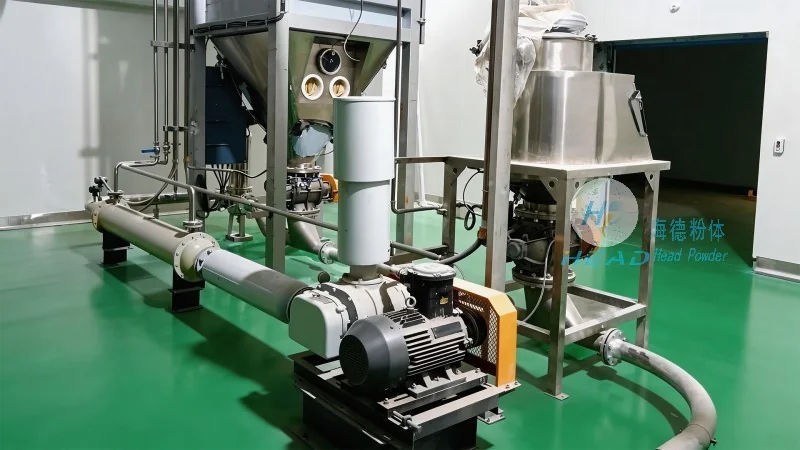
Positive pressure conveying offers several advantages, including better control over material flow, higher conveying capacity, and improved dust containment. However, it may require more energy to maintain pressure, especially over long distances. The system also needs robust seals and components to handle higher pressures, which can increase maintenance costs. Negative pressure systems are generally more energy-efficient for short distances and have lower initial costs. They are simpler to install and maintain, but they may not be suitable for long runs or materials that are prone to clogging. Additionally, negative pressure can lead to dust emissions if not properly sealed, posing health and safety risks.
Conclusion and Recommendations
Choosing between positive and negative pressure for micropowder pneumatic conveying depends on the specific requirements of the application. Positive pressure is recommended for long-distance, high-capacity, or high-hygiene applications, while negative pressure is more suitable for short distances or less demanding tasks. By evaluating factors such as distance, material properties, and operational needs, industries can select the most efficient and cost-effective system. Shandong HeadPowder Engineering Co., Ltd. specializes in designing and manufacturing customized pneumatic conveying solutions tailored to these specific needs, ensuring optimal performance and reliability for various industrial applications.




