

Choosing Between Positive Pressure and Negative Pressure for Wood Powder Pneumatic Conveying: How to
Pneumatic conveying is a critical technology in the handling and transportation of wood powder, a material widely used in various industries such as woodworking, paper manufacturing, and biomass energy production. The choice between positive pressure and negative pressure systems is a fundamental decision that impacts operational efficiency, equipment maintenance, and overall system reliability. This article aims to provide a comprehensive guide to understanding the differences between these two approaches, helping industry professionals make informed decisions when selecting the most suitable pneumatic conveying solution for their wood powder applications.
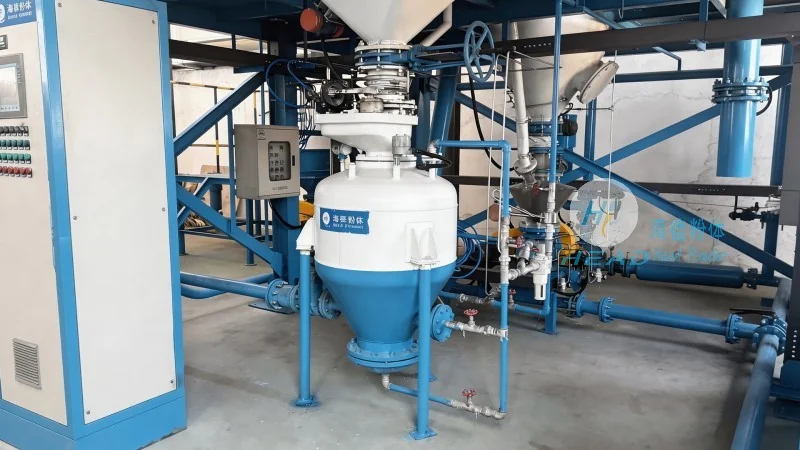
Understanding the Basics of Positive and Negative Pressure Conveying
Positive pressure conveying systems operate by generating air pressure within the conveying line, pushing the material from the source to the destination. This method typically involves a blower or compressor that supplies compressed air to the system, ensuring a continuous flow of material. On the other hand, negative pressure (or vacuum) conveying systems create a low-pressure environment by extracting air from the conveying line, drawing the material into the system. The primary difference lies in the direction of air movement and the pressure differential maintained throughout the process.
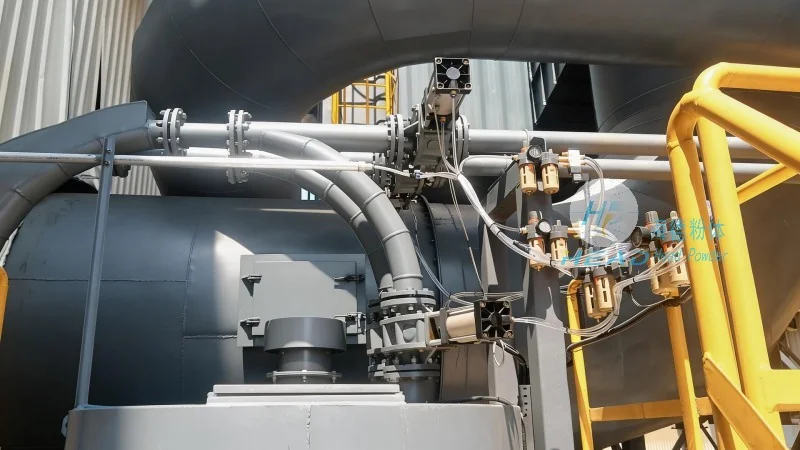
Key Factors to Consider When Choosing Between Positive and Negative Pressure Systems
Several factors influence the selection of a pneumatic conveying system for wood powder. The first consideration is the distance and layout of the conveying route. Positive pressure systems are generally more suitable for longer distances and complex layouts due to their ability to maintain consistent pressure and prevent material backflow. Negative pressure systems, however, are often preferred for shorter distances and simpler configurations where the material is to be collected from a single source and transported to a single destination. Another critical factor is the material characteristics, including particle size, moisture content, and flowability. Wood powder, being a fine and potentially abrasive material, may require specific system designs to prevent clogging and ensure smooth operation. The system's capacity and throughput requirements also play a significant role, as positive pressure systems can handle higher volumes and varying flow rates more effectively than negative pressure systems in some cases.
Technical Specifications and Application Examples for Wood Powder Handling
Shandong HeadPowder Engineering Co., Ltd., a leading provider of pneumatic conveying solutions, offers tailored systems designed to meet the unique needs of wood powder applications. Their positive pressure systems, for instance, utilize high-efficiency blowers and robust conveying lines to ensure reliable material transport over extended distances. These systems are equipped with advanced control mechanisms that optimize air pressure and flow, reducing energy consumption and minimizing maintenance requirements. For negative pressure applications, the company's vacuum conveying units are engineered to handle fine powders with minimal dust generation, ensuring compliance with environmental regulations. Practical examples include the transportation of wood flour from storage silos to processing facilities, where positive pressure systems are employed to maintain consistent flow rates, or the collection of sawdust from multiple points in a woodworking plant using a negative pressure system to capture and transport the material efficiently.
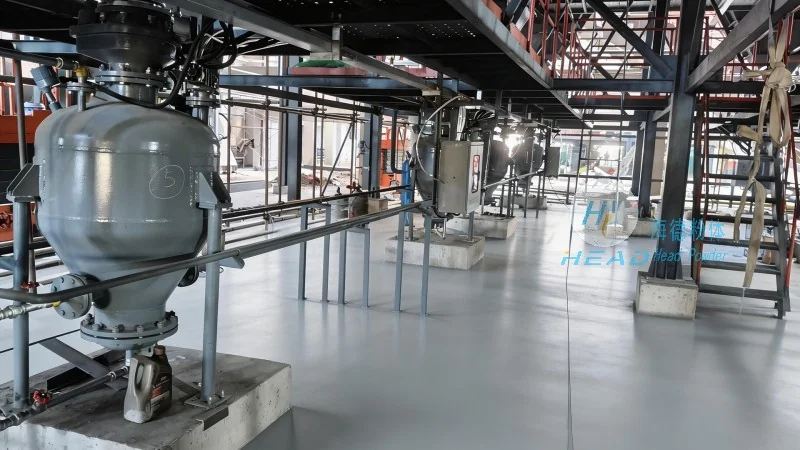
Conclusion and Company Information
In conclusion, the choice between positive and negative pressure pneumatic conveying systems for wood powder depends on a combination of operational requirements, material characteristics, and system layout. Positive pressure systems offer advantages in terms of longer distance handling and higher throughput, while negative pressure systems excel in short-distance, low-volume applications with minimal dust generation. Shandong HeadPowder Engineering Co., Ltd. specializes in providing customized solutions that address these diverse needs, leveraging their expertise in pneumatic conveying technology to deliver efficient and reliable systems for wood powder handling. With their headquarters in Shandong, China, the company continues to serve clients globally, ensuring that their products meet the highest standards of performance and durability.