

What is Metal Aluminum Powder Material Handling? What Are the Design Principles?
Understanding the mechanisms and design principles behind metal aluminum powder material handling is crucial for industries that rely on efficient and safe processing of this lightweight, reactive material. Metal aluminum powder, often used in applications such as aerospace, automotive, and chemical manufacturing, requires specialized handling systems to ensure optimal performance and safety. This article explores the key aspects of metal aluminum powder material handling, focusing on the design principles that govern effective systems.
Introduction to Metal Aluminum Powder Material Handling
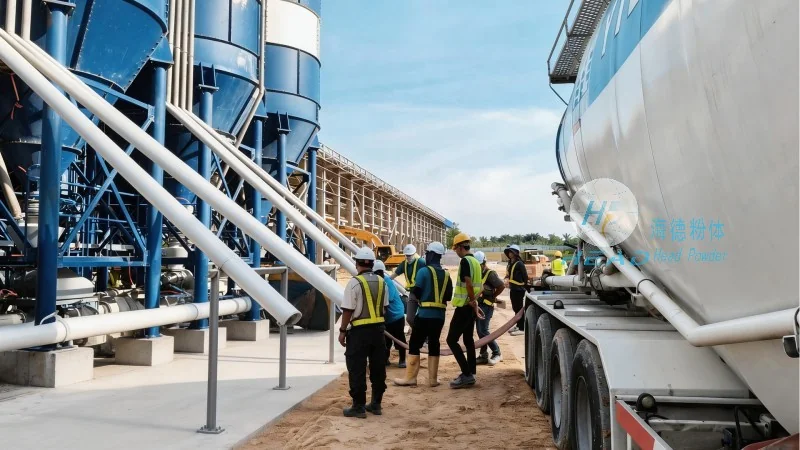
Metal aluminum powder is a fine, granular material with a high surface area and reactivity. Its handling involves transporting, storing, and processing the powder in a manner that minimizes dust generation, prevents oxidation, and ensures consistent flow characteristics. Effective material handling systems for aluminum powder must address challenges like static electricity buildup, caking, and the need for gentle handling to preserve material quality. The design of these systems is tailored to the specific properties of aluminum powder, including its density, particle size distribution, and flowability. Shandong HeadPowder Engineering Co., Ltd., a company based in China, specializes in developing advanced material handling solutions for such reactive materials.
Key Design Principles for Metal Aluminum Powder Handling Systems
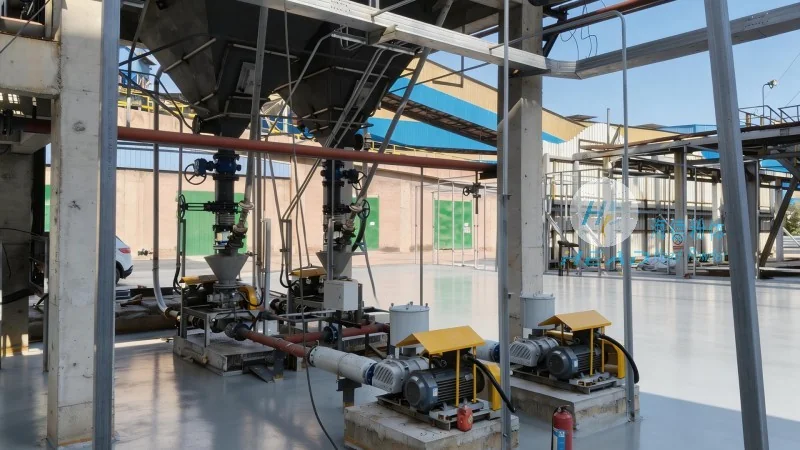
The design of metal aluminum powder material handling systems is guided by several critical principles aimed at ensuring efficiency, safety, and material integrity. First, the system must prevent the accumulation of static electricity, which can cause sparks and pose fire hazards. This is typically achieved through grounding and the use of conductive materials in the handling equipment. Second, the design must minimize the risk of material caking or agglomeration, which can obstruct flow and reduce material quality. This involves controlling moisture levels, maintaining proper temperature, and using equipment with smooth surfaces and minimal dead zones. Third, the system must ensure consistent and controlled flow of the powder, which is essential for downstream processes like mixing, compounding, or packaging. This is often achieved through the use of specialized feeders, such as vibratory or rotary feeders, that maintain a uniform material flow rate.
Components of a Typical Metal Aluminum Powder Handling System
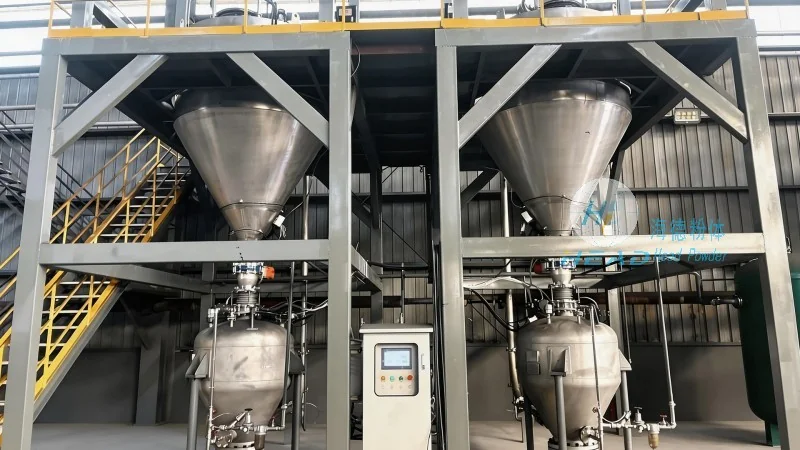
A typical metal aluminum powder handling system consists of several interconnected components, each playing a vital role in the overall process. The primary components include storage silos or hoppers, conveying equipment (such as pneumatic or mechanical conveyors), feeding devices, and control systems. Storage silos are designed to hold large quantities of aluminum powder while minimizing exposure to air and moisture. These silos often feature airtight seals and internal agitators to prevent caking and maintain material flowability. Conveying equipment is used to transport the powder from the storage area to the processing or packaging area. Pneumatic conveyors, which use air pressure to move the powder, are commonly used for fine powders like aluminum due to their ability to handle low bulk densities and minimize dust generation. Mechanical conveyors, such as screw or belt conveyors, are also used in some applications, particularly for larger particle sizes or when higher material flow rates are required. Feeding devices, such as rotary valves or vibratory feeders, regulate the flow of powder from the storage or conveyor system to the downstream equipment. These devices ensure a consistent and controlled feed rate, which is critical for maintaining process stability and preventing overloading or underloading of processing equipment. Control systems, often integrated with sensors and automation technology, monitor the system's performance and adjust parameters as needed to maintain optimal operation. These systems may include level sensors to detect the powder level in silos, pressure sensors to monitor the flow of powder in conveyors, and temperature sensors to ensure the powder remains within safe operating conditions.
Importance of Material Handling in Aluminum Powder Applications
Effective material handling is essential for the success of aluminum powder applications across various industries. In aerospace, aluminum powder is used in composite materials and propellants, where consistent powder quality and flow characteristics are critical for achieving desired mechanical properties and performance. In automotive manufacturing, aluminum powder is used in coatings and adhesives, where the uniformity of the powder affects the final product's durability and appearance. In chemical manufacturing, aluminum powder is used in the production of aluminum-based chemicals, where the handling process must ensure the powder remains free from contaminants and is processed under controlled conditions to prevent unwanted reactions. The design of material handling systems directly impacts the quality and efficiency of these applications. For example, a poorly designed system may lead to inconsistent powder flow, which can result in batch-to-batch variability and reduced product quality. Conversely, a well-designed system can ensure consistent material flow, leading to improved product performance and reduced waste.
Conclusion: The Role of Design Principles in Metal Aluminum Powder Handling
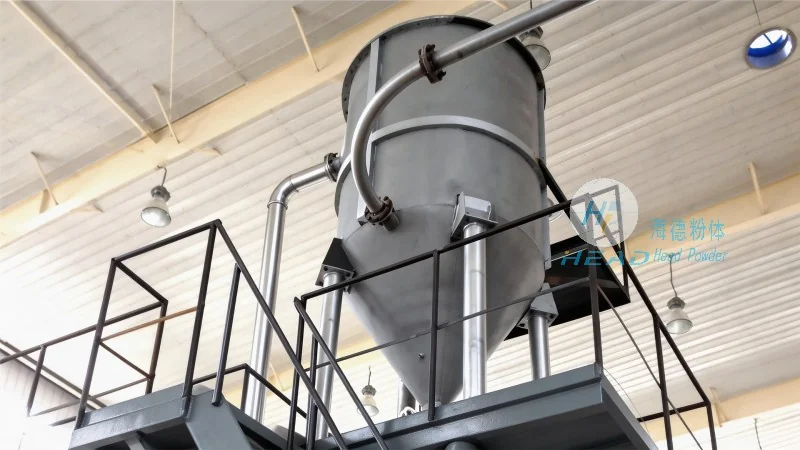
In conclusion, the design principles of metal aluminum powder material handling systems are critical to ensuring the safe, efficient, and high-quality processing of this important material. By addressing challenges such as static electricity, caking, and flow control, these systems enable industries to maximize the benefits of aluminum powder while minimizing risks. The components of a typical system, including storage, conveying, feeding, and control devices, work together to achieve optimal performance. As industries continue to rely on aluminum powder for advanced applications, the importance of well-designed material handling systems will only grow. The principles outlined in this article provide a foundation for understanding and implementing effective metal aluminum powder handling solutions, ensuring that companies can meet the demands of modern manufacturing while maintaining safety and efficiency.