

What is Cobalt Hydroxide Material Handling? Exploring Design Principles
Cobalt hydroxide is a critical material in various industrial applications, and efficient material handling is essential for its processing and transportation. This article delves into the concept of cobalt hydroxide material handling and the underlying design principles that ensure optimal performance and safety in industrial operations.

Understanding Cobalt Hydroxide Material Handling
Cobalt hydroxide material handling refers to the processes and systems used to move, store, and manage cobalt hydroxide, a compound often used in battery manufacturing, catalysts, and other chemical applications. The handling of this material requires careful consideration of its physical properties, such as its moisture sensitivity, reactivity, and potential hazards. Proper material handling ensures that the material is transported without degradation, contamination, or safety risks.
Key Design Principles for Efficient Handling
The design of cobalt hydroxide material handling systems is guided by several key principles to maximize efficiency, safety, and cost-effectiveness. These principles include:
1. **Material Compatibility and Protection**: The handling equipment and storage containers must be compatible with cobalt hydroxide to prevent contamination or reaction with other materials. This involves using materials like stainless steel or specialized polymers that are resistant to the compound's properties.
2. **Preventing Moisture and Oxidation**: Cobalt hydroxide is sensitive to moisture and oxidation, which can alter its chemical composition and reduce its effectiveness. Design principles emphasize the use of dry, airtight storage and transportation methods to maintain the material's integrity.
3. **Safety and Hazard Mitigation**: Given the potential hazards associated with cobalt compounds, such as respiratory risks and skin irritation, handling systems must incorporate safety measures like dust suppression, proper ventilation, and personal protective equipment (PPE) guidelines. This ensures that workers are protected while handling the material.
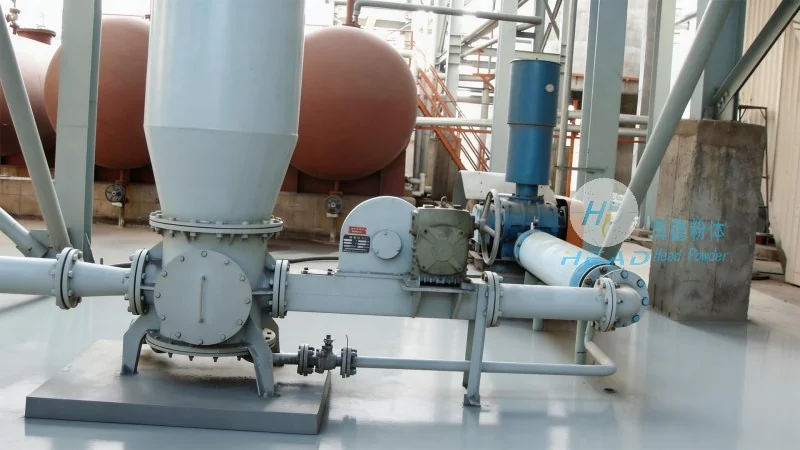
4. **Efficient Flow and Minimizing Handling Steps**: The design aims to streamline the material flow from production to end-use, reducing the number of handling steps and the risk of errors or material loss. This includes optimizing conveyor systems, storage racking, and loading/unloading processes.
Equipment and Systems for Cobalt Hydroxide Handling
Several types of equipment are commonly used in cobalt hydroxide material handling, each tailored to specific operational needs. These include:
1. **Conveyor Systems**: Belt conveyors or screw conveyors are often used to transport cobalt hydroxide from processing units to storage or packaging areas. These systems are designed to handle dry powders efficiently while minimizing dust generation.
2. **Storage Silos and Hoppers**: Large storage silos or hoppers are used to store cobalt hydroxide in bulk. These structures are typically made of corrosion-resistant materials and equipped with airtight seals to prevent moisture ingress.
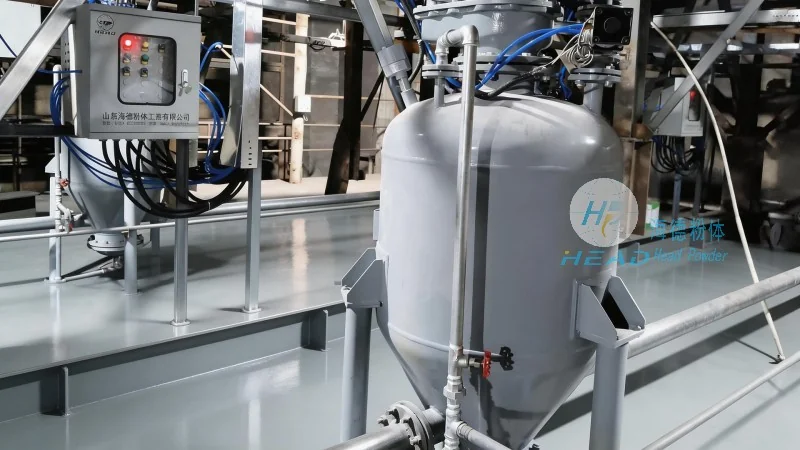
3. **Packaging Equipment**: For smaller batches or end-use applications, packaging equipment such as bagging machines or filling systems is used. These systems ensure accurate dosing and secure packaging to maintain the material's quality.
4. **Material Handling Machinery**: Forklifts, cranes, or automated guided vehicles (AGVs) may be employed to move bulk or packaged cobalt hydroxide between different areas of the facility. These machines are designed with safety features to protect both the material and the operators.
Case Study: Implementing Design Principles in Practice
Shandong HeadPowder Engineering Co., Ltd., a leading provider of material handling solutions, has successfully applied these design principles in various industrial projects. For instance, in a battery manufacturing plant, the company designed a customized conveyor system that minimized dust exposure while maintaining efficient material flow. The system incorporated stainless steel components and airtight seals to protect cobalt hydroxide from moisture and oxidation, ensuring the material's quality remained consistent throughout the process.
Another project involved the design of a storage silo for cobalt hydroxide in a chemical processing facility. The silo was constructed with corrosion-resistant materials and equipped with a humidity control system to maintain optimal conditions. This design not only improved the material's shelf life but also reduced the risk of contamination, leading to higher product quality and customer satisfaction.
Conclusion
Efficient cobalt hydroxide material handling is crucial for maintaining the quality and safety of this important industrial material. By adhering to key design principles such as material compatibility, moisture control, and safety measures, industries can optimize their operations and ensure the reliable supply of cobalt hydroxide for their applications. Shandong HeadPowder Engineering Co., Ltd. continues to innovate in this field, providing tailored solutions that meet the specific needs of their clients in China and beyond.