

What is Sodium Hypochlorite Material Handling? What Are the Design Principles?
When it comes to industrial chemical applications, the proper handling of sodium hypochlorite is a critical aspect that demands careful consideration of both material properties and system design. As a key component in water treatment and disinfection processes, sodium hypochlorite requires specialized equipment and methodologies to ensure safe and efficient transport. This article explores the fundamental aspects of sodium hypochlorite material handling, focusing on the underlying design principles that govern its safe and effective movement within industrial settings.
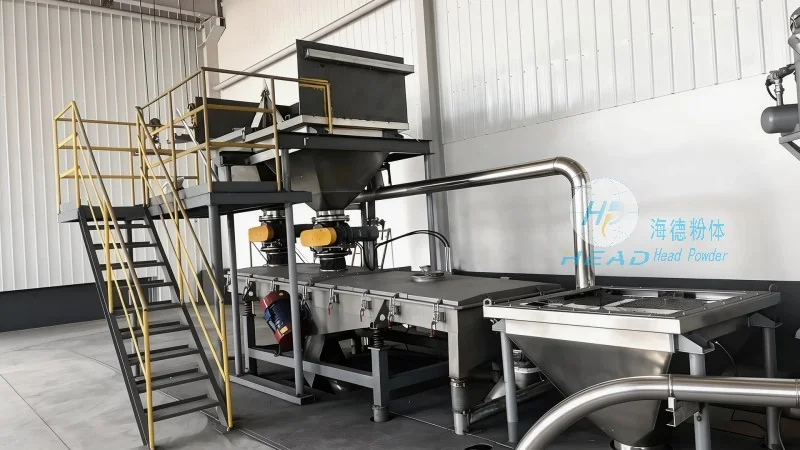
Understanding Sodium Hypochlorite and Its Handling Requirements
Sodium hypochlorite, commonly known as bleach, is a strong oxidizing agent with a high pH level. Its chemical properties make it reactive and potentially hazardous when not handled with appropriate precautions. The material's corrosive nature and the need to maintain its stability during transport necessitate the use of specialized materials and engineering solutions. At Shandong HeadPowder Engineering Co., Ltd., we recognize the importance of adhering to industry best practices to ensure the safety of personnel and the integrity of the material throughout the handling process.
The Role of HeadPowder in Sodium Hypochlorite Material Handling Solutions
HeadPowder, a leading provider of chemical processing solutions, specializes in designing and implementing systems tailored to the unique demands of sodium hypochlorite material handling. With a deep understanding of the chemical's properties and the challenges associated with its transport, our team of engineers and technicians develops customized solutions that meet the specific needs of our clients. Our approach emphasizes safety, efficiency, and compliance with regulatory standards, ensuring that every aspect of the material handling process is optimized for performance and reliability.
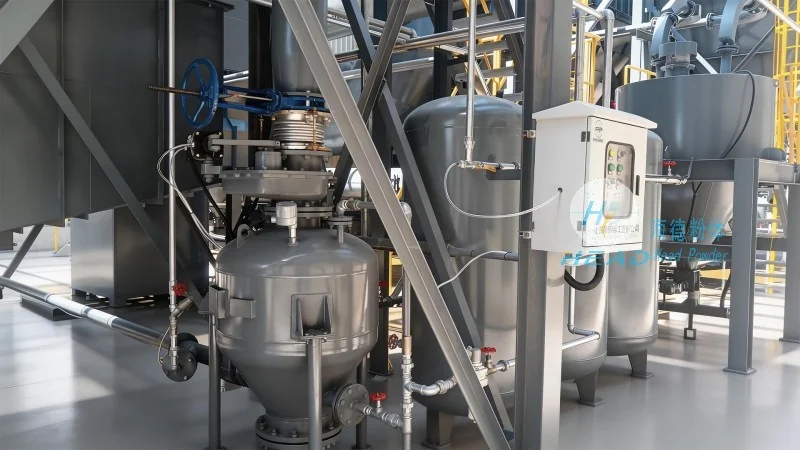
Key Design Principles for Sodium Hypochlorite Material Handling Systems
The design of a sodium hypochlorite material handling system involves several critical principles that must be carefully considered to prevent accidents and ensure optimal performance. First, the selection of appropriate materials for all components, such as pipes, valves, and pumps, is paramount. Materials like stainless steel, PVC, or specialized alloys are commonly used to resist corrosion and maintain the chemical's stability. Second, the system must incorporate effective mixing and agitation mechanisms to prevent the formation of deposits or scaling, which can impede flow and reduce system efficiency. Third, proper temperature control is essential, as sodium hypochlorite can degrade or become more reactive under certain temperature conditions. Fourth, safety features, including pressure relief valves, emergency shut-off systems, and monitoring equipment, are integral to the design to protect personnel and equipment from potential hazards.
Components and Equipment in Sodium Hypochlorite Material Handling
Effective sodium hypochlorite material handling relies on a combination of specialized components and equipment. Pumps, such as centrifugal or positive displacement pumps, are commonly used to move the liquid chemical through the system. These pumps must be designed to handle the chemical's corrosive nature and maintain the required flow rates. Valves, including ball valves, gate valves, and check valves, are used to control the flow and direction of the material, ensuring precise regulation of the system. Additionally, storage tanks and mixing vessels are essential for maintaining the chemical's concentration and stability before transport. At HeadPowder, we ensure that all components are selected and configured to meet the specific requirements of each application, providing reliable and durable solutions for our clients.
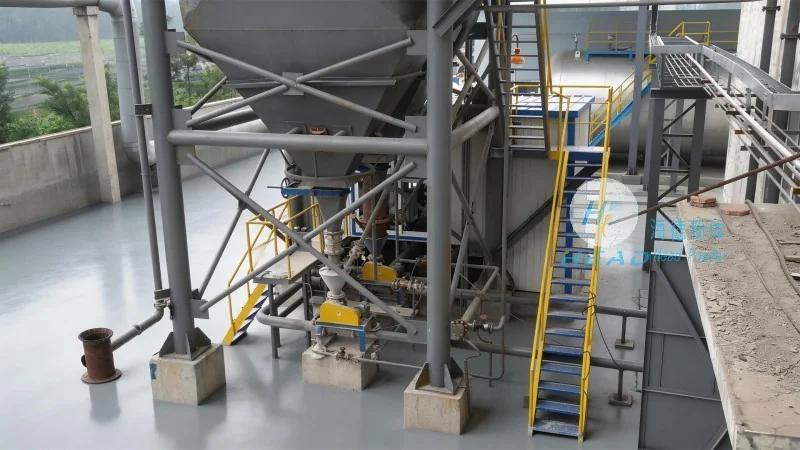
Safety and Compliance in Sodium Hypochlorite Material Handling
Ensuring the safety of personnel and the environment is a top priority in sodium hypochlorite material handling. The design of the system must comply with relevant regulations and industry standards, such as those from OSHA and the EPA. This includes implementing proper ventilation, using personal protective equipment (PPE), and establishing emergency response protocols. The system should also include monitoring devices to track parameters like temperature, pressure, and chemical concentration, providing real-time data to operators and enabling proactive maintenance. By adhering to these safety principles, the risk of accidents and environmental contamination is significantly reduced, ensuring a secure working environment for all involved.
Conclusion: The Importance of Professional Design in Sodium Hypochlorite Material Handling
In conclusion, the proper handling of sodium hypochlorite requires a comprehensive understanding of its chemical properties and the application of sound engineering principles. The design of a material handling system must prioritize safety, efficiency, and compliance with regulatory standards. At Shandong HeadPowder Engineering Co., Ltd., we are committed to providing expert solutions that meet these requirements, leveraging our experience and expertise to deliver reliable and effective systems for our clients. By focusing on the key design principles and utilizing specialized equipment, we help our clients achieve optimal performance while maintaining the highest standards of safety and environmental responsibility.