

What is Calcined Gypsum Material Handling? What Are the Design Principles?
Calcined gypsum material handling refers to the processes and systems used to transport, store, and manage calcined gypsum—a key industrial material derived from gypsum through thermal processing. This material is widely utilized in construction, manufacturing, and other industries due to its unique properties, such as improved workability and reduced setting time compared to natural gypsum. The efficient handling of calcined gypsum is critical for optimizing production workflows and ensuring product quality in various applications.
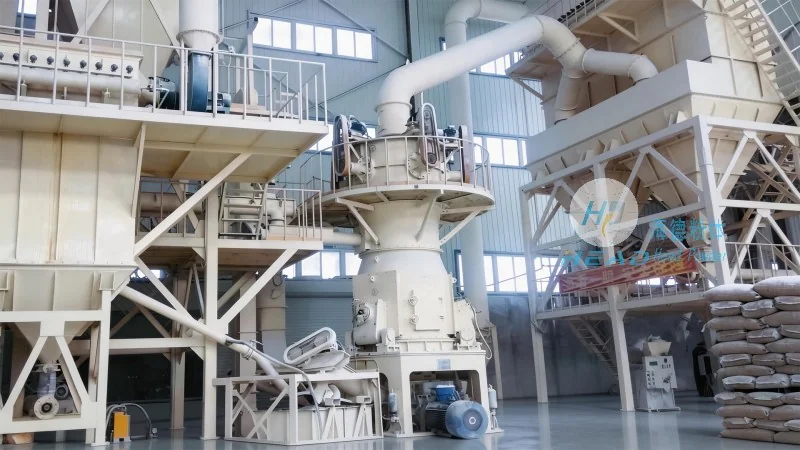
The Core Design Principles for Calcined Gypsum Material Handling Systems
Designing effective calcined gypsum material handling systems involves several key principles that address the material's physical characteristics and operational requirements. First, the system must accommodate the material's bulk density and flowability. Calcined gypsum typically has a lower bulk density than natural gypsum, which can affect how it moves through conveyors, silos, and storage vessels. Engineers must consider factors like particle size distribution, moisture content, and agglomeration tendencies to ensure smooth material flow and prevent blockages or segregation.
Second, the design must prioritize material handling efficiency and safety. This includes selecting appropriate equipment such as belt conveyors, screw conveyors, or pneumatic conveying systems based on the application's scale and the material's handling needs. For example, belt conveyors are commonly used for horizontal or slight incline transport due to their ability to handle large volumes of bulk material with minimal maintenance. Screw conveyors, on the other hand, are ideal for vertical or inclined transport, as they can effectively lift and move calcined gypsum while maintaining consistent flow rates.
Third, the system must ensure proper storage and conditioning of calcined gypsum. This often involves using silos or storage bins with appropriate dimensions and material construction to prevent moisture absorption or degradation. The design may also include conditioning equipment, such as mixers or agitators, to maintain the material's uniformity and prevent caking or clumping. Additionally, the system should incorporate dust control measures, as calcined gypsum is a fine powder that can generate significant airborne dust during handling, posing health and safety risks.
Key Components and Technologies in Calcined Gypsum Material Handling
The effective handling of calcined gypsum relies on a combination of components and technologies tailored to the material's properties. One critical component is the conveyor system, which may include belt conveyors, chain conveyors, or bucket elevators. Belt conveyors are widely used for horizontal transport due to their high capacity and low operational cost. They are typically equipped with rubber or PVC belts to prevent material buildup and ensure smooth movement. For vertical transport, bucket elevators are preferred, as they can efficiently lift calcined gypsum to elevated storage or processing areas while minimizing material spillage.
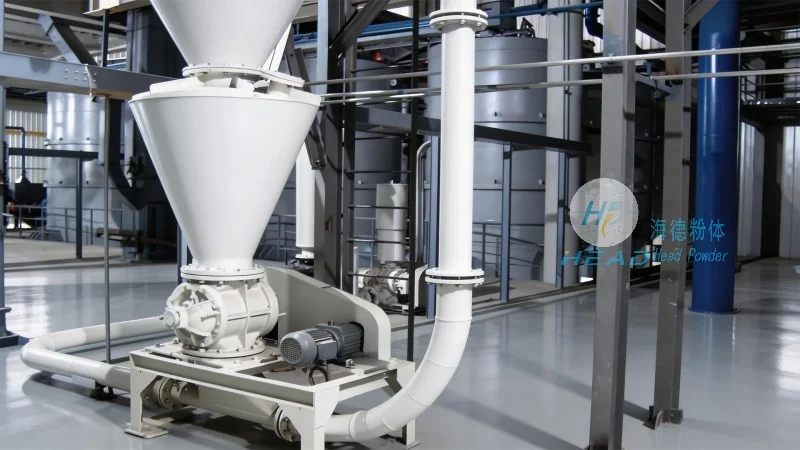
Screw conveyors are another essential technology in calcined gypsum material handling. These systems use rotating screws to move material through a trough or pipe, making them suitable for both horizontal and vertical transport. Screw conveyors are particularly effective for handling materials with high moisture content or those prone to caking, as the screw's rotation helps break up agglomerates and maintain consistent flow. Additionally, screw conveyors can be equipped with variable speed drives to adjust the flow rate based on production demands.
Pneumatic conveying systems are also used in some applications, especially for transporting calcined gypsum over longer distances or to elevated locations. These systems use air pressure or vacuum to move the material through a pipeline, which can be more flexible than mechanical conveyors. However, pneumatic conveying may require higher energy consumption and careful design to prevent material degradation or blockages.
Applications and Industries Utilizing Calcined Gypsum Material Handling
Calcined gypsum material handling systems are integral to several industries, including construction, building materials, and pharmaceuticals. In the construction sector, calcined gypsum is commonly used to produce drywall, plaster, and other building materials. The material handling systems in these applications must be designed to handle large volumes of calcined gypsum efficiently, often involving bulk storage and automated loading/unloading processes. For example, in a drywall manufacturing plant, calcined gypsum is transported from storage silos to mixing equipment via belt conveyors, ensuring a consistent supply of raw material for production.
In the building materials industry, calcined gypsum is used to produce gypsum boards, which are widely used in residential and commercial construction. The material handling systems for these applications must be capable of handling fine powders and maintaining low dust levels to meet quality standards. This may involve using enclosed conveyor systems and dust collection equipment to ensure a clean and safe working environment.
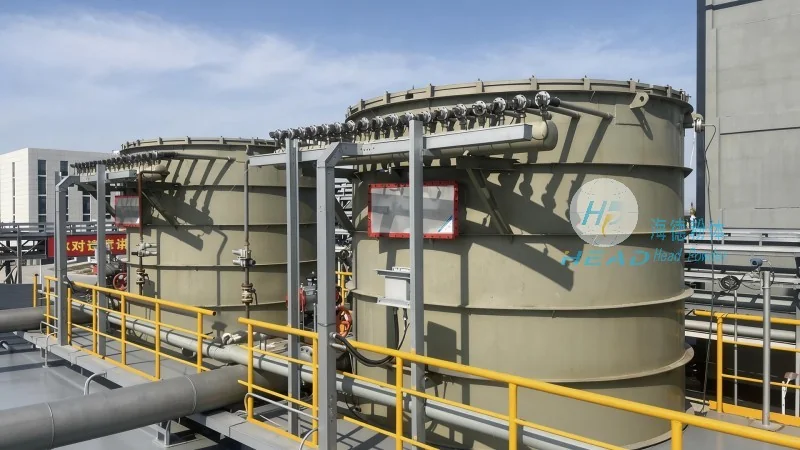
In the pharmaceutical industry, calcined gypsum is used as a filler or excipient in various products. The material handling systems in this sector must adhere to strict hygiene and safety standards, as the material is in direct contact with pharmaceutical products. This includes using stainless steel equipment, enclosed systems, and advanced filtration to prevent contamination and ensure product purity.
Company Overview: Shandong HeadPowder Engineering Co., Ltd.
Shandong HeadPowder Engineering Co., Ltd., operating under the brand name headpowder, is a leading provider of customized material handling solutions for calcined gypsum and other industrial materials. With a focus on innovation and customer-centric design, the company specializes in developing efficient and reliable systems that meet the unique needs of its clients. Headpowder's expertise lies in understanding the physical properties of calcined gypsum and translating them into effective material handling solutions, ensuring optimal performance and safety in various industrial applications.
The company's headquarters is located in Shandong, China, where it has established a strong presence in the material handling industry. Headpowder's team of engineers and technicians works closely with clients to assess their specific requirements and design tailored solutions. By leveraging advanced technologies and years of industry experience, the company has become a trusted partner for businesses seeking to improve their calcined gypsum material handling processes.
Headpowder's commitment to quality and customer satisfaction is reflected in its adherence to international standards and continuous improvement initiatives. The company invests in research and development to stay ahead of industry trends and develop cutting-edge solutions that enhance operational efficiency and reduce costs for its clients. Whether for construction, manufacturing, or other industries, headpowder provides reliable and efficient material handling systems that help businesses achieve their production goals while maintaining safety and compliance.