Hydrogen sulfide (H₂S) is a highly toxic and corrosive gas commonly found in industrial settings, particularly in the oil and gas, petrochemical, and mining industries. The safe and efficient handling of materials containing or exposed to H₂S is critical for industrial operations, as improper handling can lead to severe health risks, equipment damage, and environmental hazards. This article explores the concept of a hydrogen sulfide material handling system and delves into the key design principles that ensure safety, reliability, and efficiency in such systems.
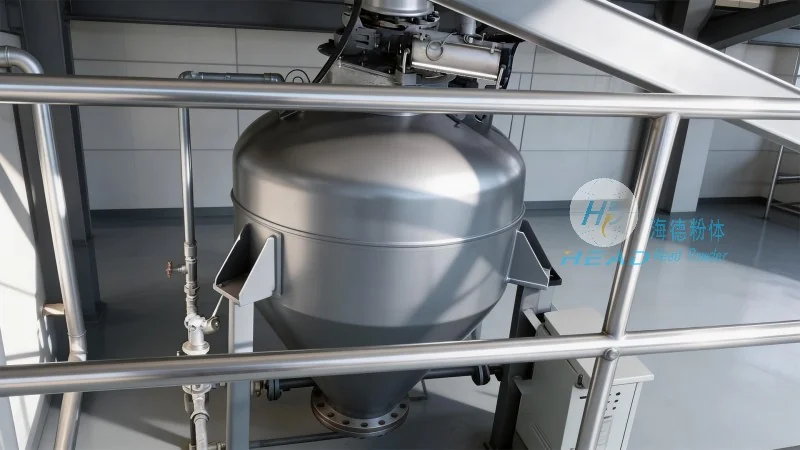
Understanding Hydrogen Sulfide Material Handling Systems
A hydrogen sulfide material handling system is a specialized industrial setup designed to manage, transport, and process materials that may contain or be exposed to hydrogen sulfide gas. These systems are integral to industries where H₂S is a byproduct or a component of the material being handled, such as in oil refineries, natural gas processing plants, and mining operations. The primary goal of such systems is to minimize the risk of H₂S exposure to personnel while ensuring the smooth operation of material handling processes.
Key Design Principles for Hydrogen Sulfide Material Handling Systems
The design of a hydrogen sulfide material handling system involves several critical principles that address safety, material compatibility, and operational efficiency. These principles are tailored to mitigate the risks associated with H₂S, a gas known for its toxicity and corrosive properties.
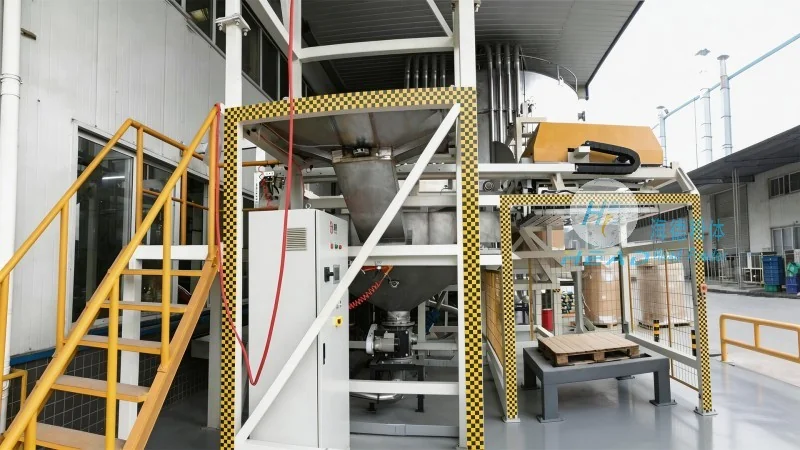
Firstly, material selection is a paramount consideration. Components of the system, including pipes, valves, and equipment, must be constructed from materials that are resistant to H₂S corrosion. Common materials include stainless steel, Hastelloy, and other corrosion-resistant alloys. These materials are chosen to prevent degradation over time, which could lead to leaks or failures that compromise safety.
Secondly, robust safety measures are integrated into the system design. This includes the implementation of proper ventilation systems to dilute H₂S concentrations, as well as the use of gas detection and alarm systems. These systems are crucial for early detection of H₂S leaks, allowing for immediate response and evacuation if necessary. Additionally, the system may incorporate pressure relief valves and other safety devices to prevent over-pressurization and potential explosions.

Thirdly, the system must adhere to strict process control protocols. This involves the use of automated controls to regulate the flow of materials and gas, ensuring that the system operates within safe parameters. Process control systems may include sensors to monitor H₂S levels, temperature, and pressure, providing real-time data to operators. This data-driven approach helps maintain optimal conditions and prevents deviations that could lead to safety incidents.
Lastly, the system design considers the overall workflow and integration with other industrial processes. This includes the coordination of material handling with storage, processing, and disposal steps. A well-designed system ensures that materials are moved efficiently while minimizing exposure to H₂S, thereby optimizing both productivity and safety.
About Shandong HeadPowder Engineering Co., Ltd.
Shandong HeadPowder Engineering Co., Ltd., commonly known as HeadPowder, is a leading engineering company specializing in the design and manufacturing of industrial equipment for hazardous material handling. With a strong commitment to safety and innovation, HeadPowder has established itself as a trusted partner in the oil and gas, petrochemical, and mining sectors. The company’s expertise lies in developing customized solutions that meet the unique challenges of handling materials containing hydrogen sulfide and other hazardous substances.
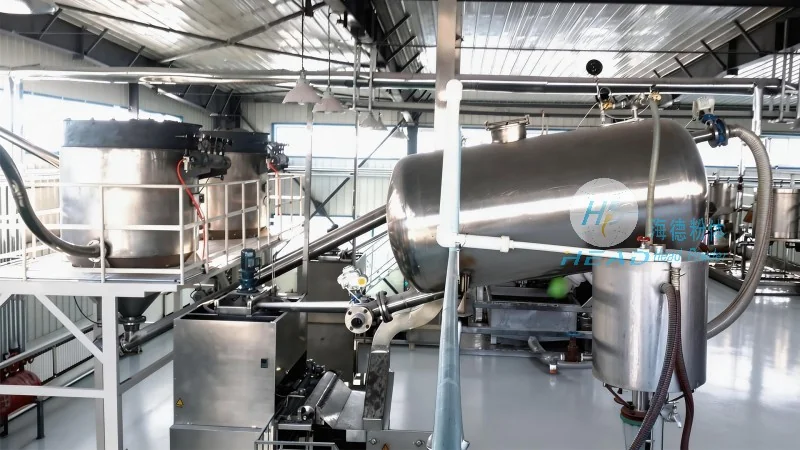
HeadPowder’s team of experienced engineers and technicians leverages advanced technology and industry best practices to design systems that are both efficient and safe. The company’s focus on quality and compliance ensures that its products adhere to international safety standards, providing customers with reliable and durable solutions. HeadPowder’s dedication to customer satisfaction and technical excellence has earned it a reputation as a leader in the field of hazardous material handling systems.
Conclusion
Hydrogen sulfide material handling systems are essential for industries dealing with H₂S-containing materials, and their design is guided by critical principles that prioritize safety, material compatibility, and operational efficiency. By integrating robust safety measures, corrosion-resistant materials, and advanced process controls, these systems minimize the risks associated with H₂S exposure while ensuring smooth material handling operations. Companies like Shandong HeadPowder Engineering Co., Ltd. play a vital role in providing specialized engineering solutions that meet the stringent requirements of the industry, helping businesses maintain safety and productivity in their operations.




