For industrial applications requiring efficient and reliable material handling, the design of a pneumatic conveying system for bentonite presents unique challenges and opportunities. As a specialized engineering firm, Shandong HeadPowder Engineering Co., Ltd. (hereinafter referred to as HeadPowder) has extensive experience in developing tailored solutions that address the specific demands of bentonite processing and transportation. This article outlines the critical design considerations that ensure optimal performance, safety, and longevity of bentonite pneumatic conveying systems.
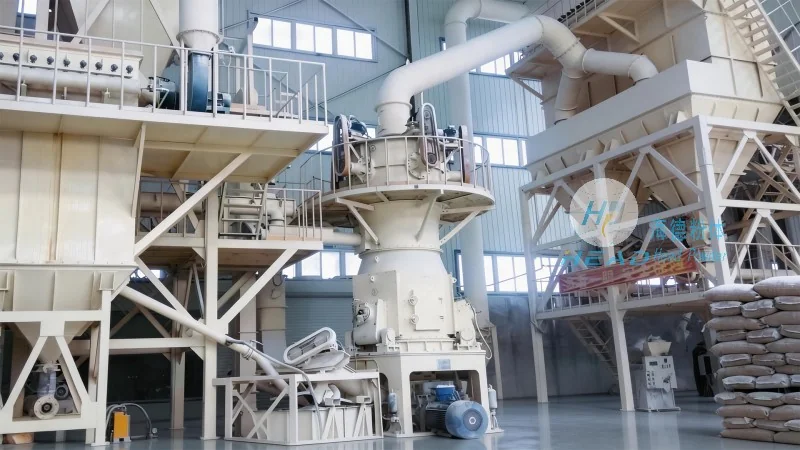
Understanding Bentonite Properties and Their Impact on System Design
Bentonite, a natural clay mineral with high water absorption and plasticity, poses distinct challenges for pneumatic conveying. Its fine particle size and tendency to agglomerate can affect flow characteristics and system efficiency. HeadPowder engineers must consider the material's density, moisture content, and particle size distribution when selecting the appropriate conveying method and equipment. Proper characterization of bentonite properties is essential to avoid system blockages, increased energy consumption, or equipment wear. By analyzing these factors early in the design phase, HeadPowder ensures that the system is optimized for the specific bentonite being handled, leading to improved operational performance and reduced maintenance costs.
System Components and Their Role in Bentonite Conveying
A bentonite pneumatic conveying system typically consists of several key components, each playing a vital role in the overall operation. These include the material feed hopper, air supply system (blowers or compressors), conveying line (flexible or rigid pipes), and discharge equipment. HeadPowder emphasizes the importance of selecting high-quality components that can withstand the abrasive nature of bentonite particles. For example, the feed hopper is designed with a low-angle hopper or a vibratory feeder to prevent material bridging and ensure consistent flow. The air supply system must provide sufficient pressure and volume to maintain stable conveying, while the conveying line is often made of corrosion-resistant materials like stainless steel or special coatings to prevent wear from fine particles. Discharge equipment, such as rotary valves or pneumatic actuators, is crucial for controlling the release of bentonite into downstream processes. Each component is carefully selected and integrated to create a seamless system that minimizes downtime and maximizes throughput.
Design Considerations for Airflow and Pressure Management
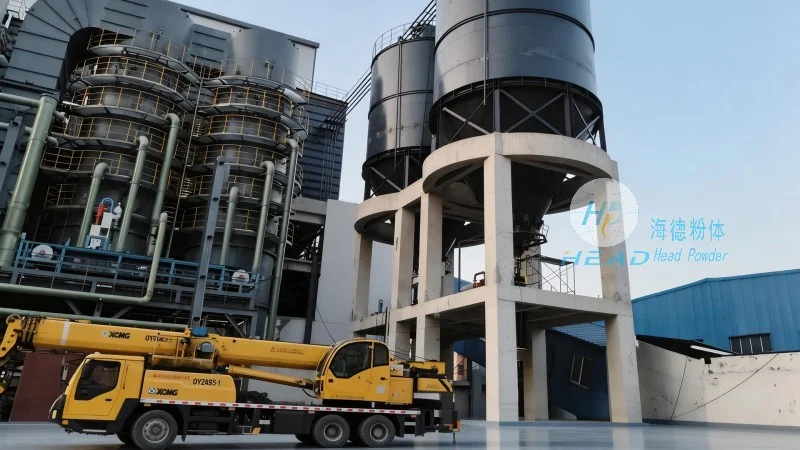
Effective airflow management is a cornerstone of bentonite pneumatic conveying system design. The velocity of the air stream must be sufficient to lift and transport bentonite particles without causing excessive wear on the system components. HeadPowder engineers use computational fluid dynamics (CFD) and empirical formulas to determine the optimal air velocity and pressure for a given system. The system's pressure drop across the conveying line is a critical parameter, as it directly impacts energy consumption. By optimizing the pipe diameter, length, and bends, HeadPowder reduces pressure losses, leading to lower operational costs. Additionally, the system must be equipped with pressure relief valves and filters to prevent over-pressurization and maintain air quality. Proper pressure management also ensures that the bentonite particles are conveyed at a consistent rate, preventing surges or drops in flow that could disrupt downstream processes. HeadPowder's expertise in airflow dynamics ensures that the system operates efficiently and reliably under varying load conditions.
Material Handling and Equipment Selection for Bentonite
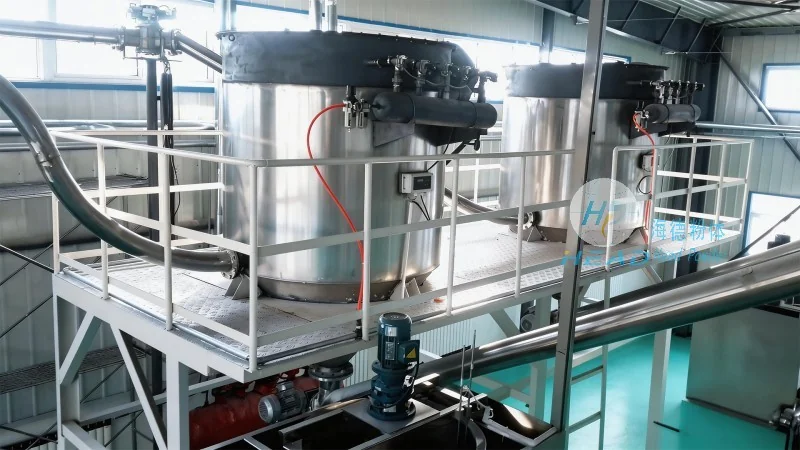
The choice of equipment for handling bentonite is critical to the success of the pneumatic conveying system. HeadPowder recommends using equipment specifically designed for abrasive and fine materials. For instance, feed hoppers are often equipped with wear-resistant liners and anti-bridging mechanisms to prevent material accumulation. Vibratory feeders are preferred for their ability to maintain consistent material flow, even with varying moisture content. The conveying line is typically made of flexible PVC or metal with special coatings to resist corrosion and abrasion from bentonite particles. Rotary valves and pneumatic actuators are chosen for their durability and ability to handle fine powders without clogging. HeadPowder's engineers also consider the system's integration with downstream processes, such as mixing or packaging, to ensure a smooth transition of bentonite from the conveying system to the next stage. By selecting appropriate equipment, HeadPowder ensures that the system operates efficiently and reduces the risk of equipment failure or material loss.
System Integration and Control Strategies
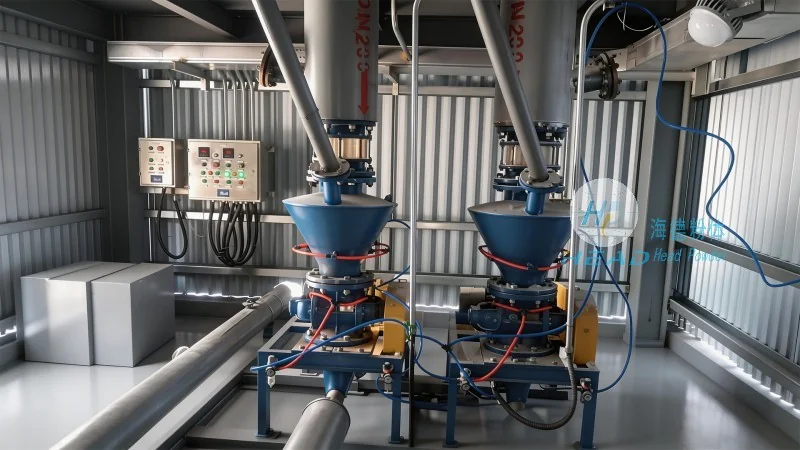
Integrating the bentonite pneumatic conveying system with the overall plant operations is essential for optimal performance. HeadPowder emphasizes the importance of implementing a robust control system that monitors and regulates key parameters such as air pressure, flow rate, and material level. The control system should include sensors and alarms to detect anomalies and prevent system failures. For example, pressure sensors can alert operators to pressure drops or increases, while flow meters can monitor the rate of bentonite transport. HeadPowder also recommends implementing a feedback loop that adjusts the air supply based on the material feed rate, ensuring that the system operates at peak efficiency. The control system should be user-friendly and easy to maintain, with clear indicators for system status and operational parameters. By integrating the system with the plant's control network, HeadPowder ensures that the bentonite conveying process is synchronized with other operations, reducing bottlenecks and improving overall plant productivity.
Installation, Commissioning, and Maintenance Guidelines
The successful implementation of a bentonite pneumatic conveying system requires careful installation, commissioning, and ongoing maintenance. HeadPowder provides comprehensive support throughout the entire process, from initial design to system startup and long-term operation. During installation, the system is assembled according to precise engineering specifications, with attention to proper alignment and sealing to prevent air leaks. Commissioning involves testing the system under various load conditions to ensure it meets performance criteria. HeadPowder's engineers conduct thorough testing to verify that the system operates within design parameters, including airflow rates, pressure drops, and material flow rates. Regular maintenance is crucial to ensure the system's longevity and performance. HeadPowder recommends scheduled inspections of key components, such as the feed hopper, conveying line, and discharge equipment, to identify and address potential issues before they become major problems. Maintenance procedures include cleaning, lubrication, and replacement of worn parts. By following these guidelines, HeadPowder ensures that the bentonite pneumatic conveying system operates reliably and efficiently over its service life.




