

Application and Optimization of Pneumatic Conveying Technology in Activated Carbon Particle Conveyin
Shandong HeadPowder Engineering Co., Ltd., commonly known as HeadPowder, is a professional engineering company based in Shandong, China. The company specializes in the design, manufacturing, and implementation of advanced material handling systems, with a particular focus on pneumatic conveying solutions for various industrial applications. HeadPowder leverages decades of industry experience to deliver customized solutions that meet the unique requirements of clients in sectors such as chemical processing, environmental protection, and pharmaceuticals.
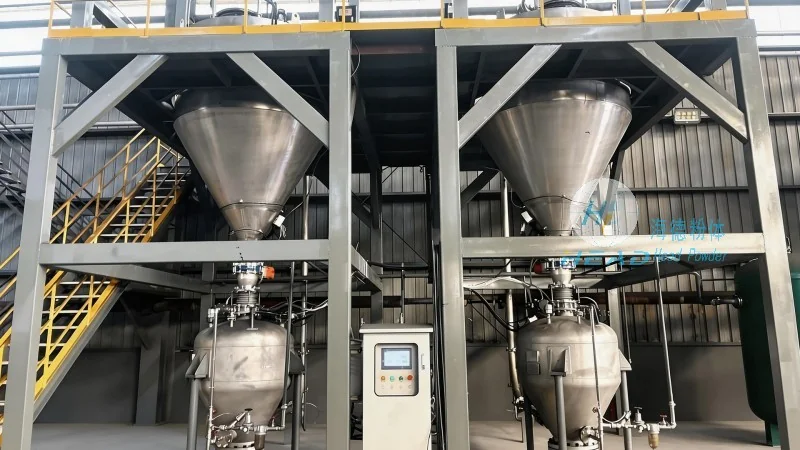
Pneumatic Conveying Technology: An Overview
Pneumatic conveying is a method of transporting bulk materials through a pipeline using pressurized air or vacuum. This technology offers several advantages over traditional mechanical conveying systems, including reduced equipment wear, lower maintenance costs, and the ability to handle a wide range of materials, including fine powders like activated carbon. Activated carbon, with its high surface area and porous structure, is particularly challenging to transport due to its tendency to agglomerate and clog pipelines. Effective pneumatic conveying systems must address these challenges to ensure reliable and efficient material transport.
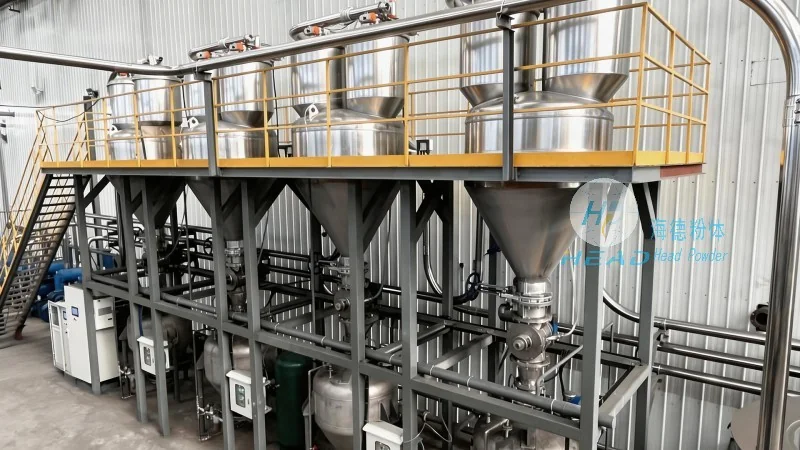
Application of Pneumatic Conveying in Activated Carbon Particle Transport
For the transport of activated carbon particles, the choice of pneumatic conveying system is critical. HeadPowder’s solutions typically involve a combination of positive pressure and negative pressure conveying methods, tailored to the specific characteristics of the material and the process requirements. The system design considers factors such as particle size distribution, moisture content, and the desired conveying distance. By optimizing the air velocity, pipeline diameter, and pressure differentials, the system can maintain the flow of activated carbon without causing excessive pressure drops or material degradation. This approach ensures that the activated carbon remains in a free-flowing state, minimizing the risk of blockages and ensuring consistent performance.
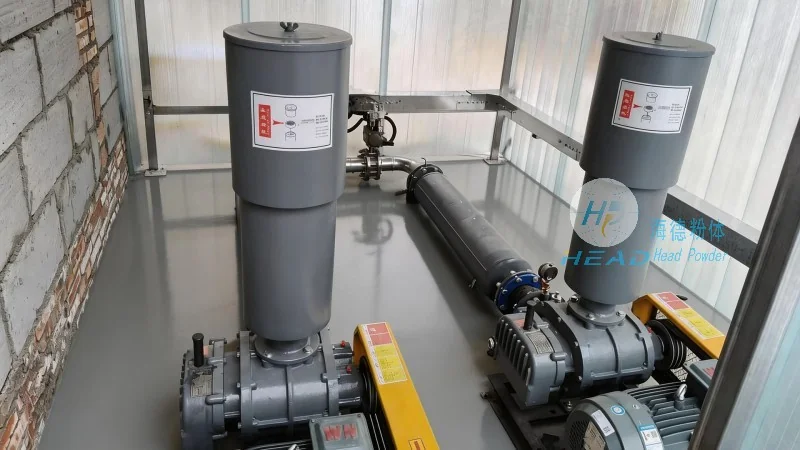
Optimization Strategies for Activated Carbon Pneumatic Conveying
Optimizing pneumatic conveying systems for activated carbon involves several key strategies. First, the selection of appropriate air classifiers and cyclones is essential to separate fine particles from the conveying stream, preventing clogging and improving system efficiency. Second, the use of specialized pipeline materials, such as stainless steel or PTFE-coated pipes, can reduce friction and prevent material buildup. Third, the implementation of in-line mixers and agitators can help maintain the uniformity of the activated carbon particles, ensuring consistent flow characteristics. Additionally, HeadPowder employs advanced control systems that monitor pressure, flow rate, and temperature in real-time, allowing for immediate adjustments to maintain optimal performance. These optimizations not only improve the reliability of the conveying process but also reduce operational costs by minimizing downtime and energy consumption.
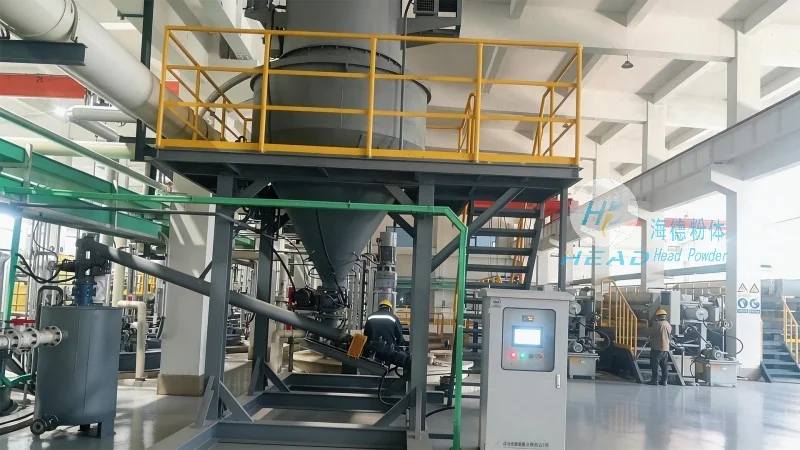
Conclusion: Enhancing Efficiency with Pneumatic Conveying Solutions
Shandong HeadPowder Engineering Co., Ltd. specializes in the application and optimization of pneumatic conveying technology for activated carbon particle transport. By leveraging its expertise in material handling and process engineering, HeadPowder provides customized solutions that address the unique challenges of activated carbon transportation. The company’s focus on system optimization, including the use of advanced materials, control systems, and design principles, ensures that clients achieve reliable, efficient, and cost-effective material handling solutions. With a commitment to quality and innovation, HeadPowder continues to deliver cutting-edge pneumatic conveying systems that meet the evolving needs of the industrial sector.