

Design and Calculation of Limestone Powder Pneumatic Conveying and Equipment Selection
For industries dealing with limestone powder, efficient material handling is crucial. This article provides a comprehensive overview of the design and calculation processes for pneumatic conveying systems, along with equipment selection guidelines tailored for limestone powder applications. The information is presented by Shandong HeadPowder Engineering Co., Ltd., a leading provider in the field, based in China.
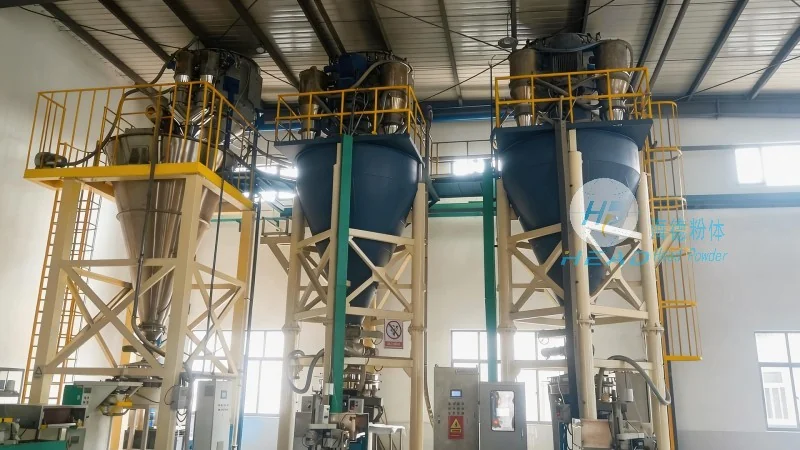
Introduction to Limestone Powder Pneumatic Conveying
Limestone powder, a key raw material in various industrial processes, requires reliable and efficient transportation methods to maintain product quality and operational efficiency. Pneumatic conveying systems offer a solution by utilizing air to transport dry powders like limestone powder over long distances or within processing facilities. This method not only enhances safety by eliminating the need for manual handling but also improves process control and reduces material loss.
Company Overview: Shandong HeadPowder Engineering Co., Ltd.
Shandong HeadPowder Engineering Co., Ltd., operating under the brand name headpowder, is a specialized engineering firm dedicated to the design, manufacturing, and installation of pneumatic conveying systems. With a strong presence in China, the company leverages decades of industry experience to deliver customized solutions that meet the unique demands of limestone powder handling. Their expertise spans from initial system design and calculation to equipment selection and on-site implementation, ensuring optimal performance and longevity for clients.
Pneumatic Conveying System Design and Calculation
The design of a pneumatic conveying system for limestone powder involves several critical steps to ensure efficiency and reliability. First, the system must be sized based on the material's properties, such as particle size, density, and flowability. For limestone powder, which typically has a particle size ranging from 0.1 to 5 mm and a bulk density of around 1.2 g/cm³, the selection of air velocity and pressure is paramount. The calculation process includes determining the required air flow rate, pressure drop across the system, and the power consumption to move the powder from the source to the destination.
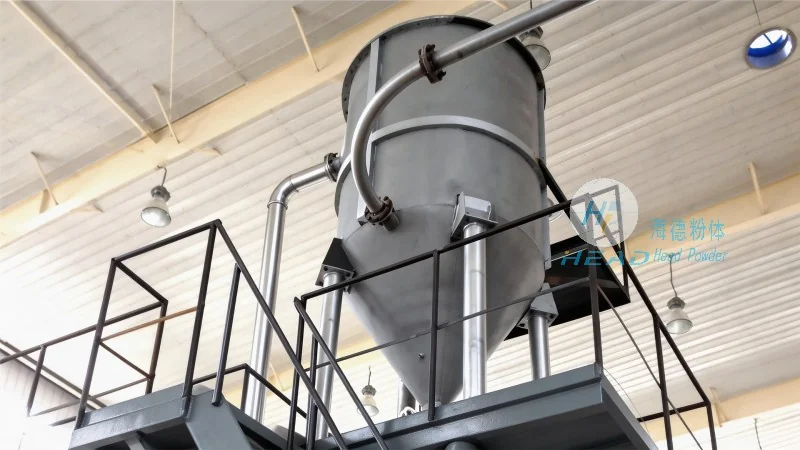
Key design parameters include the type of conveying system (e.g., dilute-phase or dense-phase), the length and elevation of the conveying line, and the number of bends or fittings. Dilute-phase systems, which use high air velocities to suspend particles in the air stream, are common for limestone powder due to their ability to handle long distances and multiple transfers. The calculation of air velocity often follows the "air-to-solids ratio" principle, where the air flow rate is adjusted to maintain particle suspension without excessive energy consumption.
Equipment Selection for Limestone Powder Conveying
Choosing the right equipment is essential for the successful operation of a limestone powder pneumatic conveying system. The primary components include the feed hopper, air compressor, conveying line, and discharge equipment. The feed hopper must be designed to handle the bulk density and flow characteristics of limestone powder, often incorporating features like vibration or aeration to prevent material bridging or caking. For headpowder's systems, the feed hopper is typically equipped with a rotary valve or a star feeder to ensure a consistent and controlled feed rate.
The air compressor is a critical component, as it provides the necessary pressure and volume of air to move the powder. For limestone powder applications, a positive displacement compressor is commonly used due to its ability to maintain consistent pressure and flow, even with varying load conditions. The compressor size is determined based on the required air flow rate and pressure drop calculations, ensuring that the system operates within optimal efficiency ranges.
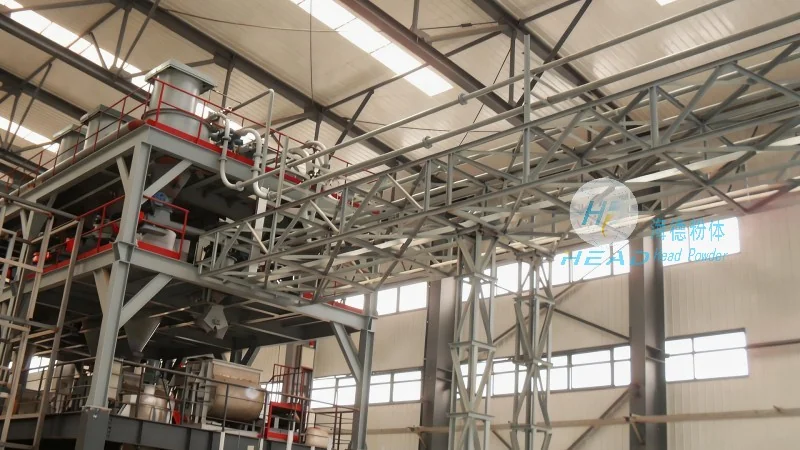
The conveying line, usually made of stainless steel or PVC, must be selected to withstand the abrasive nature of limestone powder. The line diameter and length are calculated to minimize pressure drop and energy consumption. Fittings such as elbows, tees, and bends are strategically placed to maintain the air flow velocity and prevent particle deposition. The discharge equipment, such as a rotary valve or a dust collector, ensures that the limestone powder is safely and efficiently transferred to the next stage of the process.
Technical Considerations and Best Practices
Several technical considerations must be addressed when designing a pneumatic conveying system for limestone powder. One of the most important is the prevention of material degradation, which can occur due to high air velocities or excessive pressure. To mitigate this, the system design incorporates features like low-velocity conveying sections and smooth pipe surfaces to reduce particle impact and friction. Additionally, the use of appropriate filtration and dust collection systems is essential to maintain air quality and comply with environmental regulations.
Another critical aspect is the system's ability to handle variations in limestone powder properties, such as changes in moisture content or particle size distribution. The design must include flexibility to adjust air flow rates and pressure settings based on these variations. Regular maintenance and monitoring of the system components are also essential to ensure long-term reliability and performance.
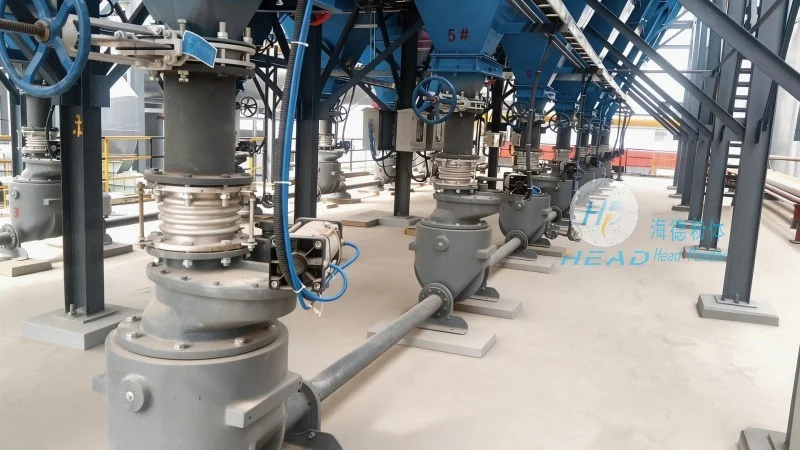
Benefits of Implementing a Pneumatic Conveying System
Adopting a properly designed and maintained pneumatic conveying system for limestone powder offers numerous benefits. These include improved safety by eliminating manual handling of powders, enhanced process control through consistent material flow, and reduced material loss due to minimal spillage or degradation. The system also contributes to operational efficiency by reducing downtime and maintenance costs, as well as improving overall productivity in the processing facility.
Furthermore, the use of a pneumatic conveying system can lead to cost savings over time. By optimizing air flow and pressure, the system reduces energy consumption compared to traditional methods like bucket elevators or belt conveyors. The customized design by headpowder ensures that these savings are maximized while meeting the specific requirements of each limestone powder application.
Conclusion
In conclusion, the design and calculation of a pneumatic conveying system for limestone powder require a thorough understanding of material properties, system dynamics, and equipment capabilities. Shandong HeadPowder Engineering Co., Ltd. provides expert guidance and tailored solutions to ensure that clients achieve efficient, reliable, and cost-effective material handling. By adhering to best practices and leveraging their extensive experience, industries can enhance their operational performance and maintain the quality of limestone powder throughout the processing chain.