Pea processing facilities often require efficient and reliable material handling solutions to ensure smooth operations. Among the various methods available, pneumatic conveying stands out as a versatile and effective approach for transporting pea products. This article focuses on the design calculation and equipment selection for pea pneumatic conveying systems, providing insights into key considerations and best practices for optimal performance.
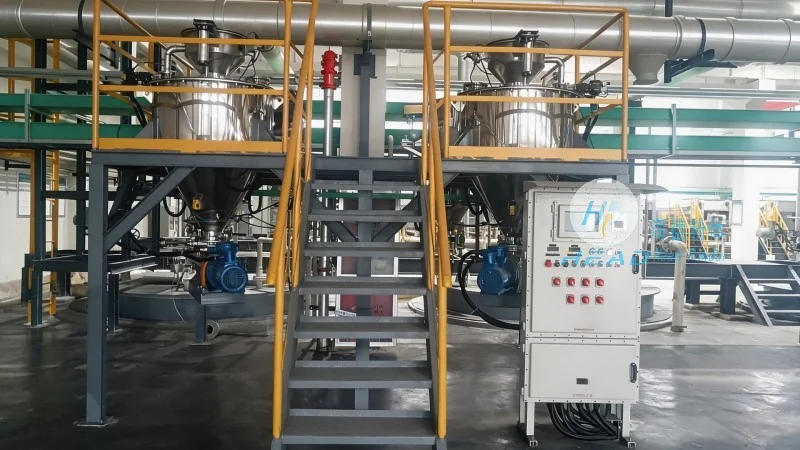
Introduction to Pea Pneumatic Conveying
Pea pneumatic conveying systems utilize air to transport solid materials, such as peas, through a pipeline network. This technology offers several advantages over traditional mechanical conveying methods, including reduced contamination risk, lower maintenance requirements, and the ability to handle sensitive products without damage. For pea processing plants, selecting the right pneumatic conveying system is crucial for maintaining product quality and operational efficiency.
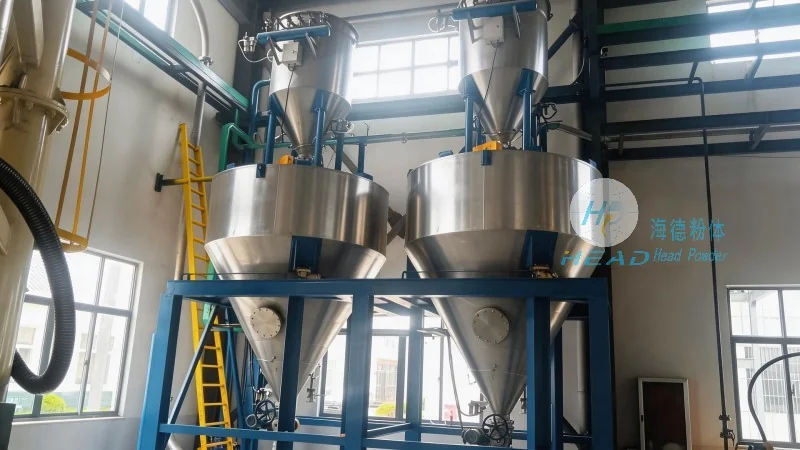
Design Calculation for Pea Pneumatic Conveying
The design of a pea pneumatic conveying system involves several critical calculations to ensure proper airflow, pressure, and material handling. Key parameters include the material's bulk density, flow rate, and the system's pressure drop. Engineers at Shandong HeadPowder Engineering Co., Ltd. (headpowder) employ advanced computational methods to determine the optimal system configuration. For instance, the calculation of air velocity and pipeline diameter is essential to prevent material settling or blockages. The company's expertise in pneumatic conveying design ensures that each system is tailored to the specific characteristics of the pea product, such as size, moisture content, and density.
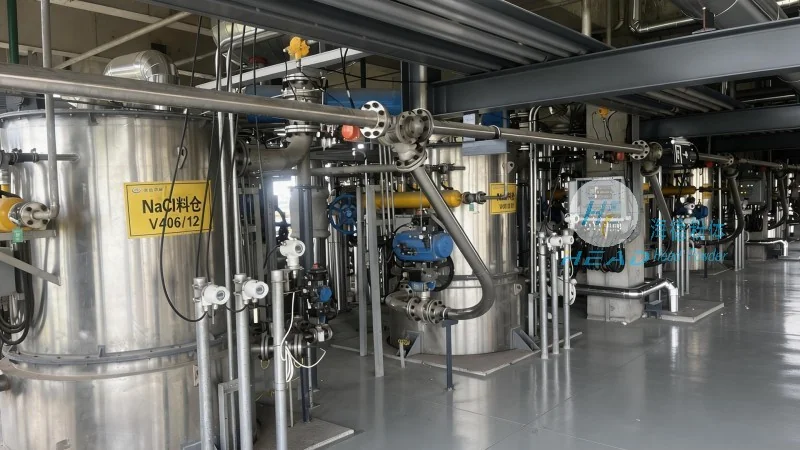
Equipment Selection for Pea Pneumatic Conveying
Choosing the appropriate equipment for a pea pneumatic conveying system is a critical step in achieving reliable operation. The main components include the conveyor itself, air supply units, and control systems. For pea processing, headpowder recommends using positive pressure systems, which are ideal for handling dry, free-flowing materials like peas. The selection of components, such as the blower or fan, is based on the required air volume and pressure. Additionally, the use of flexible hoses and metal pipes is common, depending on the system's layout and the need for flexibility or durability. The company's team of engineers evaluates factors like material compatibility, system efficiency, and cost-effectiveness to recommend the best equipment for each application.
Key Considerations in Pea Pneumatic Conveying
Several factors must be considered when designing and selecting a pea pneumatic conveying system. First, the material's physical properties, such as particle size and moisture content, directly impact the system's performance. Peas with higher moisture content may require adjustments to the air flow rate to prevent clogging. Second, the system's layout and the distance between processing points influence the required air pressure and energy consumption. Properly sizing the pipeline and ensuring adequate air supply are essential to avoid bottlenecks. Third, maintenance and operational costs are important considerations. Headpowder emphasizes the use of high-quality components that minimize downtime and reduce long-term expenses. By addressing these factors, pea processing facilities can optimize their pneumatic conveying systems for maximum efficiency and product quality.
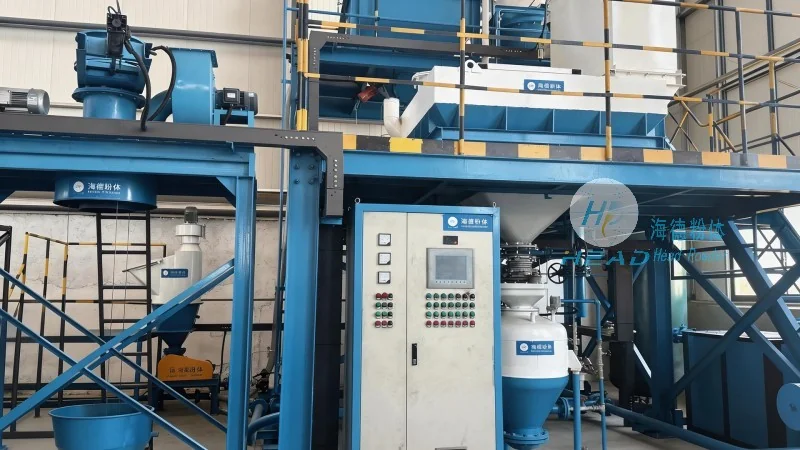
Conclusion and Company Expertise
Designing and selecting a pea pneumatic conveying system requires a comprehensive understanding of material properties, system dynamics, and equipment capabilities. Shandong HeadPowder Engineering Co., Ltd. (headpowder) specializes in providing tailored solutions for pea processing plants, leveraging years of experience in pneumatic conveying technology. The company's engineers work closely with clients to assess their specific needs and develop customized systems that meet operational requirements and budget constraints. With a focus on efficiency, reliability, and product integrity, headpowder is committed to delivering high-quality pneumatic conveying solutions for pea processing facilities worldwide.




