Polypropylene, a widely used thermoplastic polymer, often requires efficient material handling solutions for industrial applications. Pneumatic conveying systems offer a reliable method for transporting polypropylene, and understanding their classification and composition is crucial for selecting the right system for specific operational needs. This article provides an overview of the key categories and components that make up polypropylene pneumatic conveying systems, with a focus on practical applications and technical considerations.
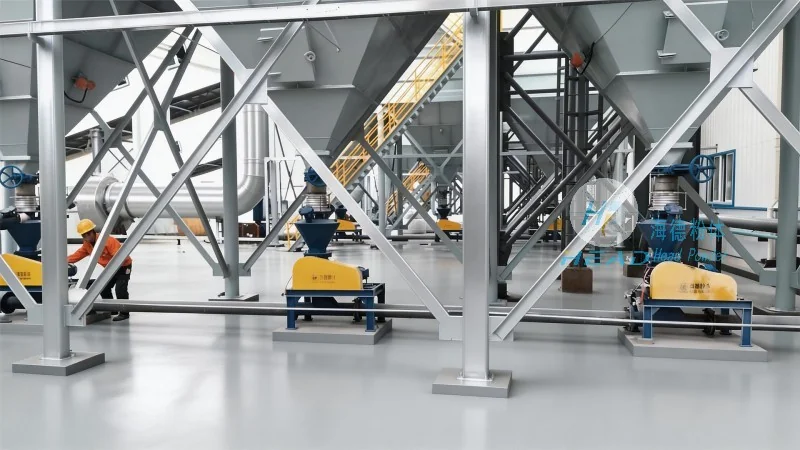
Classification of Polypropylene Pneumatic Conveying Systems
Polypropylene pneumatic conveying systems can be broadly classified based on the method of material transport and the pressure used. The primary classifications include:
- Absorption Type (Suction System): This system uses a vacuum to draw polypropylene from the source to the destination. It is suitable for applications where the material needs to be moved from a lower elevation or where a gentle handling approach is required.
- Compression Type (Pressure System): In this system, compressed air is used to push polypropylene through the conveying line. It is ideal for applications that involve moving material over longer distances or to higher elevations, as it can handle higher pressures and flow rates.
- Combined Type (Suction-Pressure System): This hybrid system combines elements of both suction and pressure systems. It typically uses a vacuum at the inlet to draw material and then uses compressed air to boost the flow through the main line, offering flexibility for complex conveying routes.
Each classification has its advantages and is chosen based on factors such as the distance of transport, the height difference, the material characteristics, and the required flow rate. The choice of system directly impacts the efficiency, cost, and reliability of the polypropylene handling process.
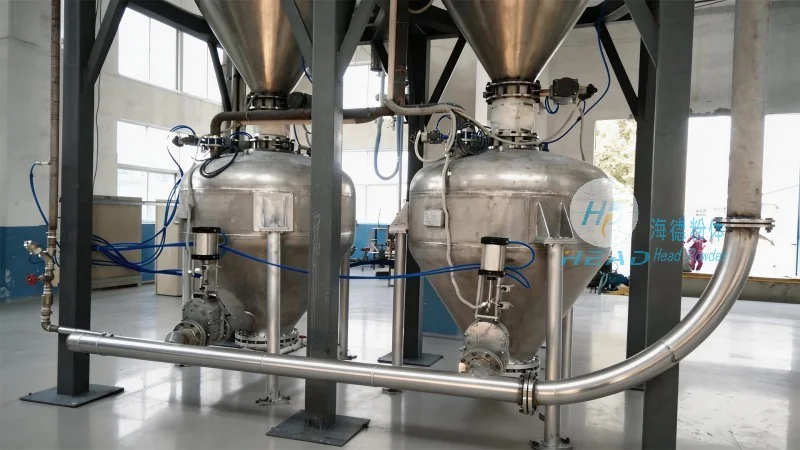
Key Components of Polypropylene Pneumatic Conveying Systems
A polypropylene pneumatic conveying system consists of several essential components that work together to ensure effective material transport. The main components include:
- Feeder: The feeder is responsible for introducing polypropylene into the conveying line. For polypropylene, which can be dusty or have irregular particle sizes, a suitable feeder such as a rotary valve or a screw feeder is used to ensure a consistent and controlled feed rate. The feeder must be designed to handle the specific properties of polypropylene, including its density and flow characteristics.
- Conveying Line: The conveying line, typically made of stainless steel or other corrosion-resistant materials, transports the polypropylene particles mixed with air. The design of the line, including its diameter and length, is critical to maintaining the material's integrity and preventing blockages. For polypropylene, which can be abrasive, the line material must be durable to withstand wear and tear.
- Separation and Collection Equipment: At the end of the conveying line, separation equipment is used to separate the polypropylene from the air stream. This may include a cyclone separator or a bag filter, depending on the system design. The collected polypropylene is then transferred to the destination container or processing equipment. The efficiency of the separation process is vital to minimize material loss and ensure a clean product.
- Air Source and Control System: The air source, usually a blower or a compressor, provides the necessary air pressure or vacuum for the conveying process. The control system regulates the air flow and pressure, ensuring that the system operates within safe and efficient parameters. For polypropylene applications, the air source must be equipped with filters to prevent dust and contaminants from entering the system, as polypropylene particles can be fine and easily entrained in the air.
Each component plays a critical role in the overall performance of the polypropylene pneumatic conveying system. Proper selection and maintenance of these components are essential to ensure the system operates reliably and efficiently, minimizing downtime and operational costs.
Applications and Benefits of Polypropylene Pneumatic Conveying Systems
Polypropylene pneumatic conveying systems are widely used in various industries, including plastics manufacturing, food processing, and chemical production. The benefits of using such systems include:
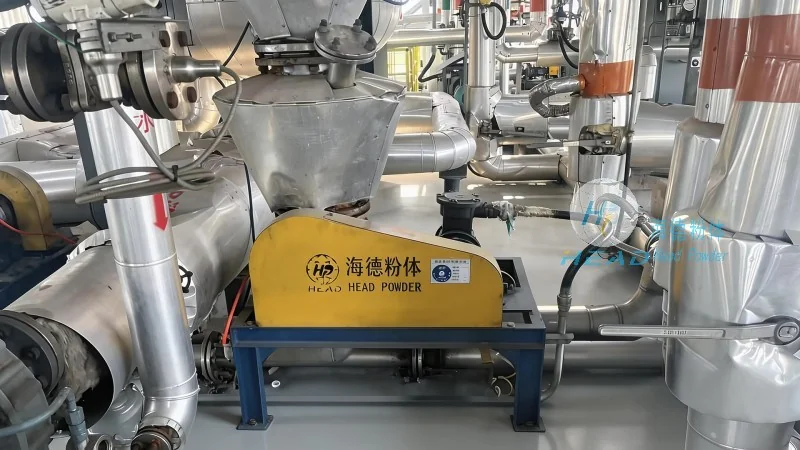
- Efficient Material Handling: Pneumatic conveying allows for the rapid and continuous transport of polypropylene, reducing the need for manual handling and increasing production throughput.
- Low Maintenance: Compared to mechanical conveying systems, pneumatic systems have fewer moving parts, leading to lower maintenance requirements and longer service life.
- Flexible Layout: The ability to route the conveying line around obstacles makes pneumatic systems suitable for complex plant layouts, allowing for more efficient use of space.
- Reduced Product Contamination: Properly designed systems minimize the risk of product contamination, as the material is handled in a closed system with filtered air.
These benefits make polypropylene pneumatic conveying systems a preferred choice for industries that require reliable, efficient, and flexible material handling solutions. By understanding the classification and composition of these systems, businesses can make informed decisions to optimize their polypropylene handling processes.
Shandong HeadPowder Engineering Co., Ltd., a leading provider of material handling solutions, specializes in designing and manufacturing polypropylene pneumatic conveying systems tailored to the specific needs of industrial clients. With a focus on quality, efficiency, and customer satisfaction, HeadPowder offers comprehensive solutions that enhance the performance and reliability of polypropylene handling operations. Based in Shandong, China, HeadPowder leverages its expertise and advanced technology to deliver systems that meet the highest industry standards. For more information on polypropylene pneumatic conveying systems and other material handling solutions, contact HeadPowder today.




