Gypsum, a calcium sulfate mineral, is widely utilized in construction, agriculture, and industrial processes. The efficient and reliable transportation of gypsum is essential for optimizing production workflows and maintaining product quality. Aerodynamic conveying systems, which employ air as the primary conveying medium, have emerged as a preferred solution for handling gypsum due to their ability to transport materials over extended distances with minimal mechanical wear and energy consumption. This article provides a comprehensive overview of the classification and key components of gypsum calcium aerodynamic conveying systems, highlighting technological advancements and practical applications in modern industrial settings.
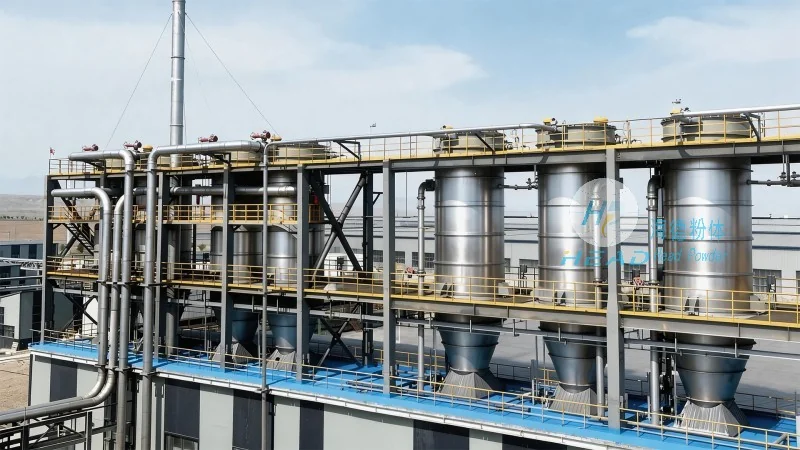
Classification of Gypsum Calcium Aerodynamic Conveying Systems
Gypsum calcium aerodynamic conveying systems can be categorized based on several critical parameters, including air flow type, conveying method, and operational requirements. The primary classifications include:
1. Positive Pressure Conveying Systems: These systems generate a positive pressure within the conveying line, pushing the material forward. They are typically suited for short to medium-distance transport and are ideal for handling light, non-abrasive materials like gypsum. Positive pressure systems often incorporate rotary airlocks and pressure vessels to control flow and prevent backflow.
2. Negative Pressure (Vacuum) Conveying Systems: In contrast, negative pressure systems create a vacuum in the conveying line, drawing material into the system. This method is particularly effective for long-distance transport and for handling dusty or fine gypsum particles. Vacuum systems commonly use suction nozzles and cyclone separators to efficiently collect and transport material.
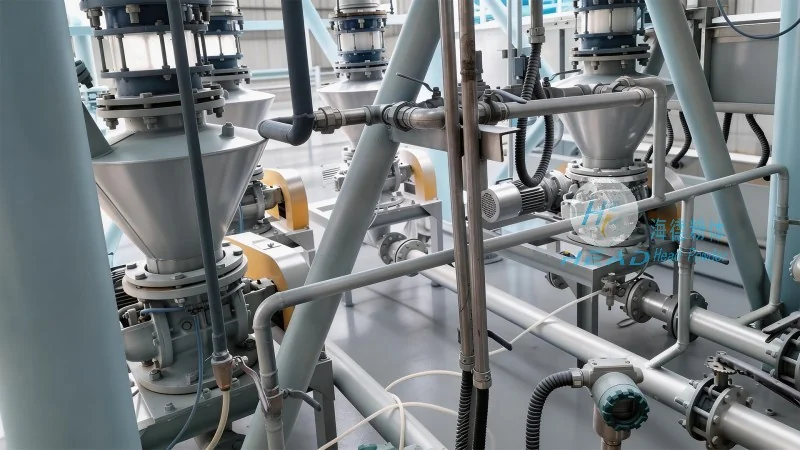
3. Combined Pressure-Vacuum Systems: These systems integrate both positive and negative pressure principles to optimize conveying performance. They are highly versatile and suitable for complex applications involving varying distances and material characteristics. Combined systems offer flexibility, allowing adaptation to diverse operational conditions and enhancing overall system efficiency.
Key Components of Gypsum Calcium Aerodynamic Conveying Systems
The effectiveness of a gypsum calcium aerodynamic conveying system relies on the integration of several critical components, each serving a specific function in the material transport process. The main components include:
1. Conveying Hopper: The hopper serves as the initial loading point, holding sufficient gypsum and facilitating controlled material release into the conveying line. It is equipped with rotary or gate valves to regulate flow and prevent material buildup.
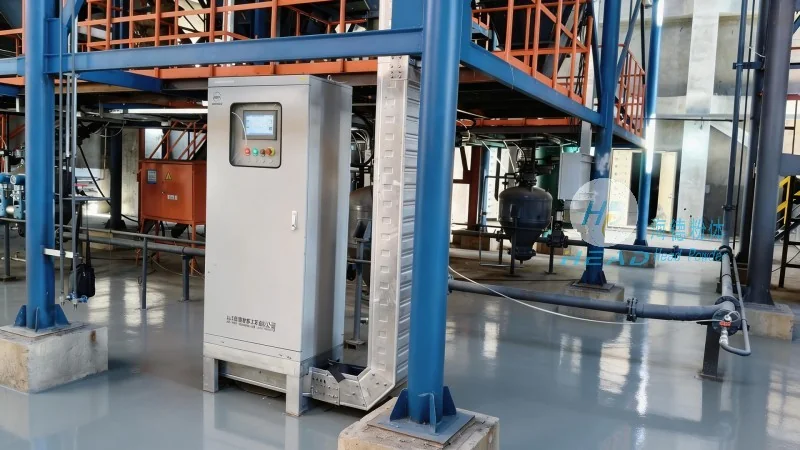
2. Air Supply Unit: This component generates the necessary air pressure or vacuum for conveying. It includes a blower or vacuum pump, along with air filters and regulators to ensure clean, consistent air flow. The air supply unit is vital for maintaining system performance and preventing contamination from dust or moisture.
3. Conveying Line: The conveying line, typically constructed from stainless steel or other corrosion-resistant materials, forms the pathway for material transport. It is designed with bends, elbows, and straight sections to guide the material along the desired route. The line's diameter and length are carefully selected based on material properties and required conveying distance.
4. Airlock Valves: Airlock valves control material flow at the inlet and outlet of the conveying line, preventing backflow and ensuring controlled transport. These valves are often rotary or slide-type, engineered to handle gypsum's abrasive nature without excessive wear.
5. Cyclone Separator: The cyclone separator is a critical component for material separation and recovery. As the air-material mixture enters the cyclone, centrifugal forces separate heavier gypsum particles from the air stream. The separated material is collected in a hopper, while cleaned air is discharged back into the system or released to the atmosphere.
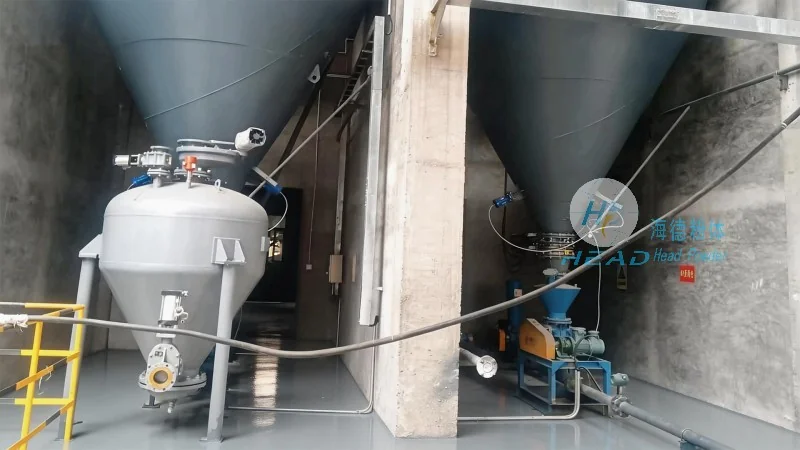
6. Dust Collection System: To comply with environmental regulations and ensure workplace safety, a dust collection system is often integrated. This system captures airborne gypsum particles and filters them before air release. It typically includes a filter housing, fan, and collection bin, ensuring efficient and environmentally friendly operation.
Application and Operational Considerations
The successful operation of gypsum calcium aerodynamic conveying systems requires careful consideration of material characteristics, system design, and maintenance protocols. Gypsum's properties, such as moisture content and particle size, can impact system performance. Proper sizing of the conveying line and air flow rate is essential to prevent blockages and ensure consistent transport. Regular maintenance, including cleaning cyclone separators and inspecting airlock valves, is necessary to maintain system efficiency and longevity.
Conclusion
Gypsum calcium aerodynamic conveying systems represent a sophisticated and efficient solution for transporting gypsum in various industrial applications. By understanding the classification and key components of these systems, industries can optimize operations, reduce costs, and enhance product quality. As technology advances, these systems are likely to become even more efficient and versatile, meeting evolving needs of the construction and industrial sectors. For businesses seeking reliable and cost-effective gypsum handling solutions, investing in a well-designed aerodynamic conveying system is a strategic decision that yields significant long-term benefits.




