For manufacturing industries, especially those involved in foundry and casting processes, the efficient handling of recycled sand is a critical operational challenge. The design and selection of air-driven conveying systems for recycled sand are essential to ensure smooth production flow, minimize downtime, and maintain environmental compliance. This article provides a comprehensive overview of the design calculations and equipment selection process for air-driven recycled sand conveying, focusing on the technical aspects and practical considerations that engineers and facility managers need to address.
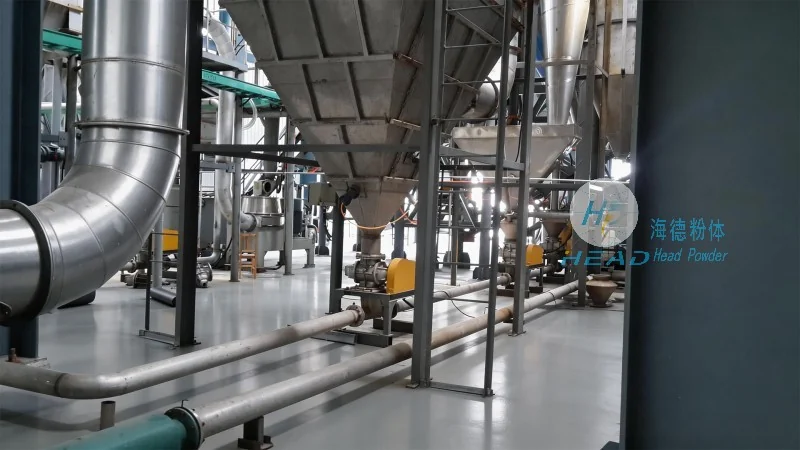
HeadPowder Engineering: Your Partner in Efficient Sand Handling
HeadPowder, a leading provider of engineering solutions for material handling, specializes in the design and implementation of air-driven conveying systems tailored to the unique needs of the foundry industry. With years of experience in the field, HeadPowder's team of experts understands the complexities of recycled sand properties and the demands of modern manufacturing. The company's commitment to quality and innovation has made it a trusted partner for businesses seeking reliable and efficient sand handling solutions. Based in Shandong, China, HeadPowder leverages local expertise and advanced technology to deliver customized solutions that meet the specific requirements of each client.
Key Design Considerations for Air-Driven Recycled Sand Conveying
The successful design of an air-driven recycled sand conveying system begins with a thorough understanding of the material properties and operational parameters. Several key factors must be considered to ensure optimal performance and system longevity. First, the physical characteristics of the recycled sand, such as particle size distribution, moisture content, and bulk density, significantly impact the conveying efficiency. Engineers must conduct detailed material testing to determine these properties, as they directly influence the air velocity, pressure, and power requirements of the system. Second, the system's layout and the distance between the sand source and the destination point are critical. The design must account for the vertical and horizontal distances, as well as any obstacles or changes in elevation that may affect the conveying process. Third, the desired conveying capacity and the required flow rate are essential parameters. These determine the size of the air ducts, the capacity of the air blowers, and the number of conveying lines needed to meet production demands. Finally, the environmental and safety considerations must be addressed. Proper filtration and dust control measures are necessary to comply with local regulations and protect the health of workers. HeadPowder's engineers use advanced computational tools to model these factors and optimize the system design before any equipment is selected.
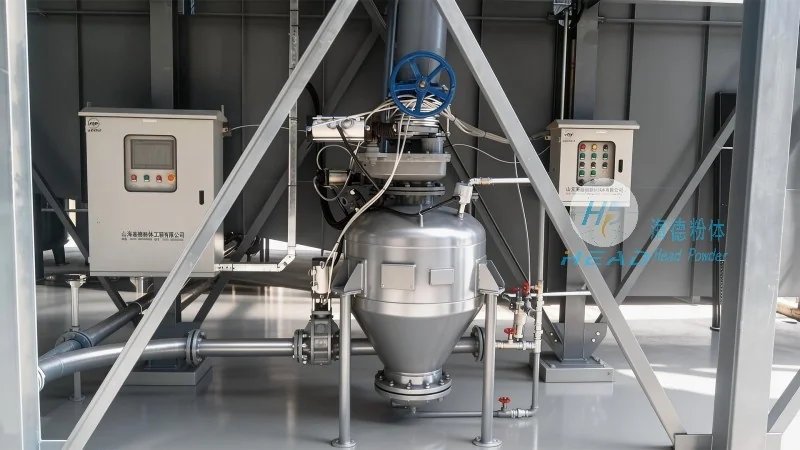
Equipment Selection for Air-Driven Recycled Sand Conveying
Once the design calculations are complete, the next step is to select the appropriate equipment for the air-driven recycled sand conveying system. HeadPowder offers a range of high-quality components designed specifically for this application. The core equipment includes air blowers, which provide the necessary pressure and airflow to move the sand through the system. These blowers are available in various types, such as centrifugal or positive displacement, and are selected based on the system's power requirements and the material's characteristics. The air ducts, typically made of stainless steel or other corrosion-resistant materials, are designed to withstand the abrasive nature of recycled sand and maintain airtightness to prevent dust leakage. The conveying lines, which may include vertical or horizontal sections, are sized to ensure adequate airflow and minimize pressure drop. Additionally, the system may include components such as cyclone separators or filters to separate the sand from the air and collect the dust for recycling. HeadPowder's equipment selection process is based on rigorous testing and real-world performance data, ensuring that each component is optimized for the specific application and meets the highest standards of efficiency and reliability.
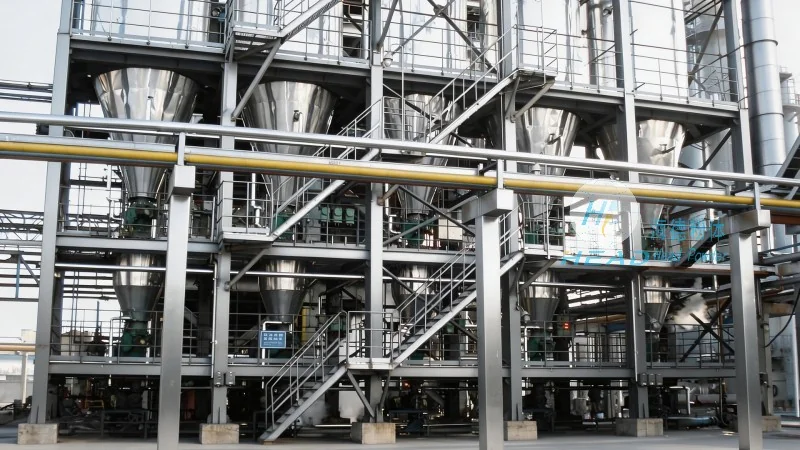
Case Study: Implementing an Air-Driven Recycled Sand Conveying System
To illustrate the practical application of the design and equipment selection process, consider a case study of a foundry that recently upgraded its sand handling system. The facility, located in Shandong, China, was struggling with inefficient manual sand transport, leading to increased labor costs and production delays. HeadPowder was engaged to design and implement an air-driven conveying system for its recycled sand. The project began with a detailed analysis of the sand properties and the facility's layout. Engineers at HeadPowder conducted on-site measurements and performed material tests to determine the optimal conveying parameters. Based on the calculations, a system consisting of a centrifugal air blower, stainless steel ducts, and a cyclone separator was selected. The system was installed and commissioned, and the results were immediately positive. The conveying capacity increased by 40%, reducing labor costs by 30% and minimizing downtime. The facility also reported improved environmental performance, as the dust collection system effectively controlled emissions. This case study highlights the effectiveness of HeadPowder's approach to air-driven recycled sand conveying and demonstrates the significant benefits that can be achieved through proper design and equipment selection.
Conclusion and Future Trends
Designing and selecting an air-driven recycled sand conveying system is a complex process that requires a deep understanding of material properties, system dynamics, and equipment performance. HeadPowder Engineering, with its expertise and commitment to quality, provides comprehensive solutions tailored to the needs of the foundry industry. By focusing on the key design considerations and selecting the appropriate equipment, businesses can achieve efficient, reliable, and cost-effective sand handling. As the foundry industry continues to evolve, the demand for advanced material handling solutions will increase. HeadPowder remains at the forefront of innovation, developing new technologies and approaches to meet the changing needs of its clients. For businesses seeking to improve their sand handling operations, HeadPowder offers a reliable partner with the knowledge and experience to deliver successful outcomes.




