

Diacid Pneumatic Conveying Design Calculation and Equipment Selection
Shandong HeadPowder Engineering Co., Ltd., commonly known as headpowder, is a professional engineering firm based in Shandong, China. With a focus on providing comprehensive solutions for industrial material handling, the company specializes in the design, calculation, and equipment selection for pneumatic conveying systems, particularly for diacid applications. This article outlines the key aspects of diacid pneumatic conveying design, including technical calculations and equipment selection criteria, to assist clients in optimizing their material transport processes.
Understanding Diacid Pneumatic Conveying Systems
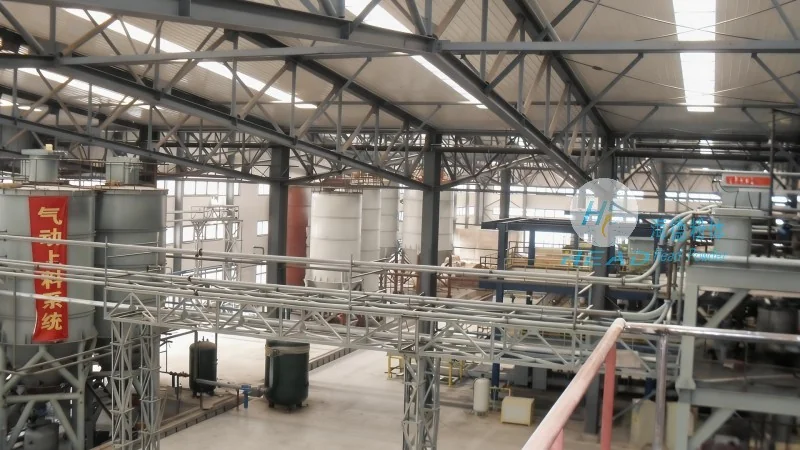
Pneumatic conveying is a widely used method for transporting diacid and other bulk materials in various industrial applications. The system typically involves the use of air or other gases to move material through a pipeline. There are two main types of pneumatic conveying systems: dilute-phase and dense-phase. Dilute-phase systems use low air velocity and high material concentration, while dense-phase systems employ higher air velocity and lower material concentration to achieve more efficient transport. The choice between these systems depends on factors such as material properties, distance, and required flow rate.
Design Calculation for Diacid Pneumatic Conveying
The design of a diacid pneumatic conveying system involves several critical calculations to ensure optimal performance and safety. The first step is to determine the material's physical properties, including particle size distribution, density, and flowability. These properties are essential for selecting the appropriate conveying velocity and pressure. The conveying velocity is calculated based on the material's terminal velocity and the desired system pressure drop. The pressure drop across the system is determined by the length of the pipeline, fittings, and the material's resistance to flow. Additionally, the system's power consumption is calculated to ensure the compressor can handle the required air volume and pressure.
Equipment Selection for Diacid Pneumatic Conveying
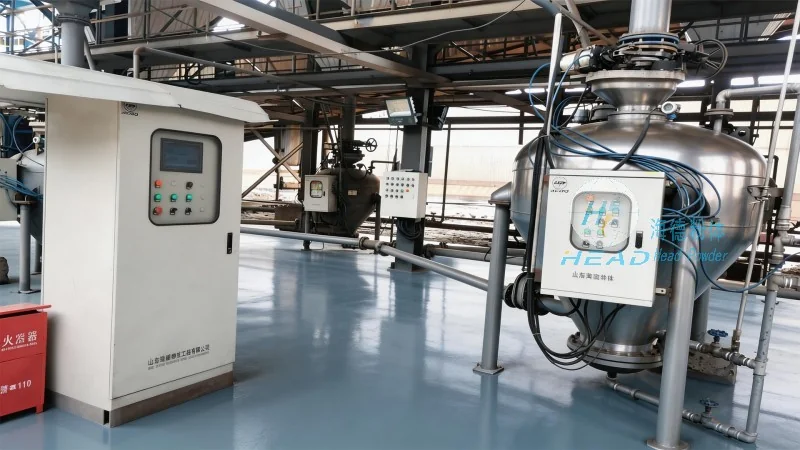
Equipment selection is a crucial step in the design of a diacid pneumatic conveying system. The key components include the feeder, pipeline, air compressor, and control system. The feeder is responsible for feeding the diacid into the pipeline at a consistent rate. Common feeder types include rotary valves, screw feeders, and vibratory feeders, each with its own advantages and limitations. The pipeline material is typically selected based on the diacid's chemical compatibility and the system's pressure requirements. Stainless steel is commonly used for its corrosion resistance and durability. The air compressor must be capable of providing the required air volume and pressure to overcome the system's pressure drop. The control system ensures the smooth operation of the conveying process, including start-up, shutdown, and emergency stop functions.
Key Considerations for Diacid Pneumatic Conveying
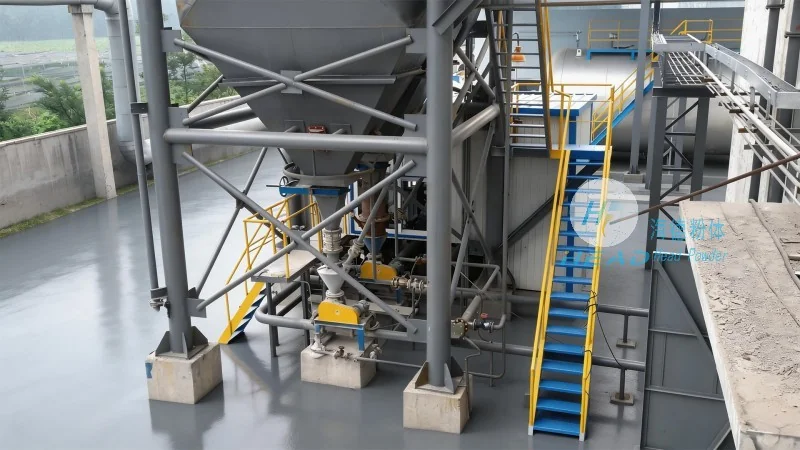
When designing and selecting equipment for diacid pneumatic conveying, several factors must be considered to ensure the system's efficiency and reliability. First, the material's properties, such as particle size and moisture content, can affect the conveying performance. Larger particles may require higher conveying velocities to prevent blockages. Moisture content can also impact the material's flowability and the system's pressure drop. Second, the system's layout and the distance between the feeding and discharge points are important factors. Longer distances may require additional boosters or larger compressors to maintain the required pressure. Third, safety considerations are critical, especially when handling diacid, which may be hazardous. The system must be designed to prevent dust explosions and ensure proper ventilation. Finally, maintenance and operational costs should be considered to ensure the system's long-term economic viability.
Conclusion and Company Expertise
Shandong HeadPowder Engineering Co., Ltd. offers comprehensive design and equipment selection services for diacid pneumatic conveying systems. With years of experience in the industry, the company's engineers use advanced calculations and equipment to provide customized solutions that meet the specific needs of clients. By considering the material properties, system layout, and safety requirements, headpowder ensures that the pneumatic conveying system is efficient, reliable, and cost-effective. Whether for new installations or system upgrades, headpowder is committed to delivering high-quality solutions that enhance the productivity and safety of industrial operations.