HeadPowder Engineering, a leading provider of industrial material handling solutions, specializes in the design and equipment selection for copper sulfate pneumatic conveying systems. With years of experience in the field, the company has developed comprehensive methodologies to ensure efficient, reliable, and cost-effective transportation of copper sulfate, a critical chemical widely used in agriculture, water treatment, and industrial applications. This article outlines the key aspects of copper sulfate pneumatic conveying design calculations and equipment selection, highlighting the expertise and services offered by Shandong HeadPowder Engineering Co., Ltd., based in China.
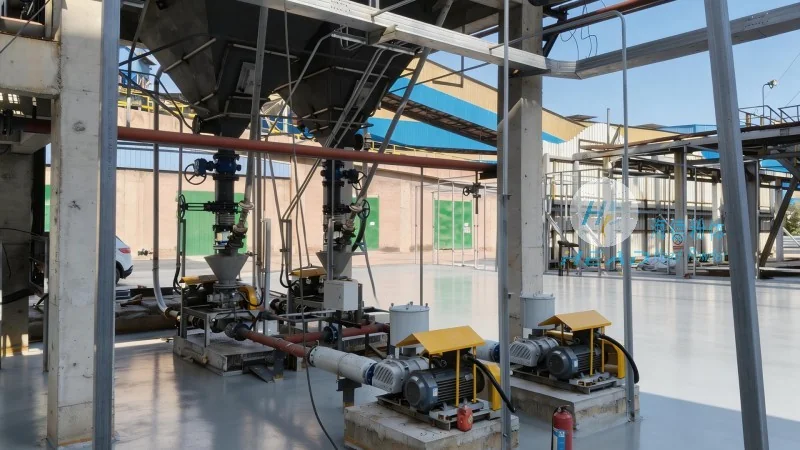
Understanding Copper Sulfate Properties and Handling Requirements
Before delving into the design and equipment selection for copper sulfate pneumatic conveying, it is essential to understand the material's physical and chemical properties. Copper sulfate, also known as bluestone, is a crystalline solid with a specific gravity of approximately 2.3 g/cm³ and a particle size that can vary from fine powders to granules. The material's hygroscopic nature and potential for caking or agglomeration require careful consideration in the design of the conveying system. Proper handling of copper sulfate involves controlling moisture levels, maintaining consistent particle size distribution, and preventing material degradation during transportation. These factors directly impact the selection of the appropriate pneumatic conveying system type, such as pressure or vacuum systems, and the associated equipment like feeders, cyclones, and dust collectors.
Design Calculations for Copper Sulfate Pneumatic Conveying Systems
The design of a copper sulfate pneumatic conveying system involves a series of calculations to determine the necessary parameters for efficient operation. The first step is to assess the material flow rate, which is typically expressed in tons per hour (t/h) or kilograms per second (kg/s). This is followed by the determination of the required air velocity and pressure to ensure that the material is entrained and transported through the pipeline. The air velocity must be sufficient to overcome the gravitational and frictional forces acting on the particles but not so high as to cause excessive wear on the equipment or excessive energy consumption. The pressure drop along the pipeline is another critical parameter that needs to be calculated, as it directly affects the power requirements of the blower or fan. HeadPowder Engineering employs advanced computational fluid dynamics (CFD) and empirical formulas to accurately predict the pressure drop and air velocity required for the specific copper sulfate characteristics and system layout. The design calculations also consider the system's capacity, which is determined by the maximum flow rate of copper sulfate that the system can handle without compromising performance or causing blockages. The company's engineers use software tools and industry standards to ensure that the design meets the client's operational requirements and safety regulations.
Equipment Selection for Copper Sulfate Pneumatic Conveying
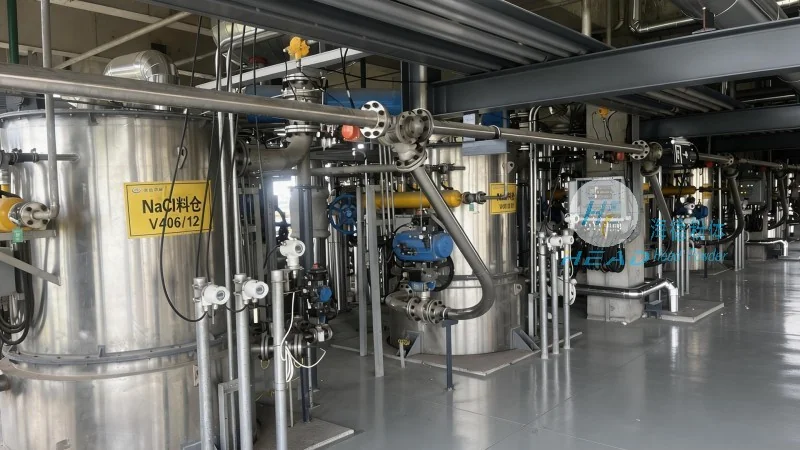
Once the design calculations are complete, the next step is to select the appropriate equipment for the copper sulfate pneumatic conveying system. The choice of equipment depends on the system type (pressure or vacuum), the material's properties, and the operational conditions. For pressure systems, the primary equipment includes a positive displacement blower or centrifugal fan, a feed hopper with a rotary valve or screw feeder, a pipeline system with appropriate diameter and material, and a receiver or cyclone separator. The blower is selected based on the required air volume and pressure, considering the system's pressure drop and the material's specific gravity. The feed hopper and rotary valve are chosen to ensure consistent material feeding and prevent blockages, especially for hygroscopic copper sulfate. The pipeline is typically made of stainless steel or other corrosion-resistant materials to handle the chemical properties of copper sulfate and prevent material degradation or corrosion. The cyclone separator is used to separate the copper sulfate particles from the air stream, with the collected material being discharged into a storage bin or processing unit. For vacuum systems, the equipment includes a vacuum fan, a feed hopper with a rotary valve, a pipeline system, and a receiver. The vacuum fan is selected based on the required air volume and vacuum level, and the system is designed to handle the material's flow characteristics and prevent dust emissions. HeadPowder Engineering offers a range of equipment options, including custom-designed components, to meet the specific needs of each copper sulfate pneumatic conveying project. The company's equipment selection process considers factors such as material compatibility, durability, maintenance requirements, and cost-effectiveness, ensuring that the selected equipment is suitable for long-term operation and meets the client's performance expectations.
Key Considerations in Copper Sulfate Pneumatic Conveying System Implementation
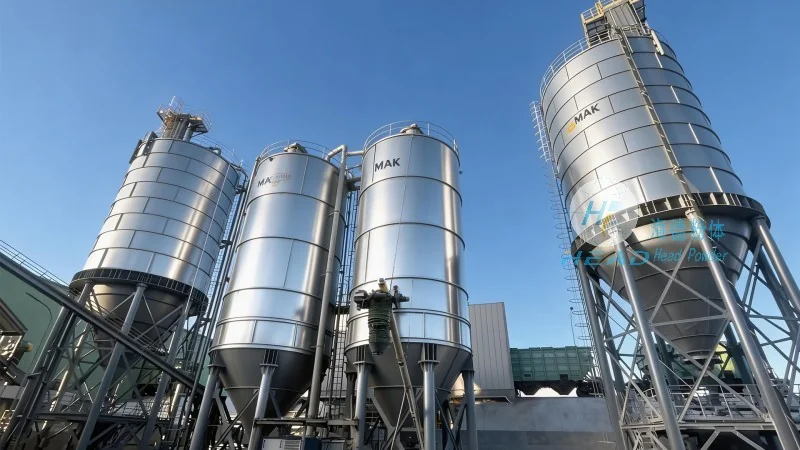
Implementing a copper sulfate pneumatic conveying system requires careful attention to several key considerations to ensure optimal performance and longevity. One of the most critical factors is the material's handling characteristics, as mentioned earlier. Copper sulfate's hygroscopic nature means that moisture control is essential to prevent caking or agglomeration, which can lead to blockages in the system. The system design should include provisions for moisture removal or control, such as using desiccant air or maintaining the system in a dry environment. Another important consideration is the system's maintenance and operational costs. HeadPowder Engineering recommends regular maintenance of the equipment, including cleaning of the cyclone separator, checking for wear and tear on the blower or fan, and inspecting the pipeline for corrosion or blockages. The company also provides training to the client's personnel on the proper operation and maintenance of the system, ensuring that the equipment is used efficiently and safely. Additionally, the system's integration with other processing equipment, such as storage silos or processing units, needs to be considered to ensure smooth material flow and minimize downtime. The design should include appropriate connections and controls to facilitate seamless integration with the existing or new processing infrastructure. Finally, compliance with safety regulations and environmental standards is a critical aspect of system implementation. Copper sulfate is a hazardous material, and the system must be designed to prevent dust emissions and ensure safe handling. HeadPowder Engineering adheres to all relevant safety and environmental regulations, ensuring that the copper sulfate pneumatic conveying system is compliant with local and international standards.
Conclusion and HeadPowder Engineering's Commitment
Designing and selecting the appropriate equipment for copper sulfate pneumatic conveying is a complex process that requires a deep understanding of the material's properties, system dynamics, and operational requirements. HeadPowder Engineering, with its expertise and experience, provides comprehensive solutions for copper sulfate pneumatic conveying systems, from design calculations to equipment selection and implementation. The company's commitment to quality, reliability, and customer satisfaction has made it a trusted partner for industries relying on efficient copper sulfate transportation. By leveraging advanced design methodologies and industry best practices, HeadPowder Engineering ensures that its copper sulfate pneumatic conveying systems meet the highest standards of performance and durability. Whether for agricultural applications, water treatment, or industrial processes, HeadPowder Engineering's solutions provide reliable and cost-effective transportation of copper sulfate, helping clients optimize their operations and achieve their production goals. With its base in Shandong, China, HeadPowder Engineering continues to serve clients worldwide with tailored solutions for their copper sulfate pneumatic conveying needs.




