

Principle and Classification Application of Light Calcium Gypsum Pneumatic Conveying
Light calcium gypsum, a vital material in construction and industrial sectors, demands efficient and reliable transportation to sustain smooth production workflows. Pneumatic conveying, a technology that leverages air to transport bulk materials, has emerged as a preferred solution for handling light calcium gypsum due to its advantages in hygiene, speed, and flexibility. This article provides a comprehensive overview of the working principles and classification applications of light calcium gypsum pneumatic conveying systems, detailing technical aspects and practical implementations.
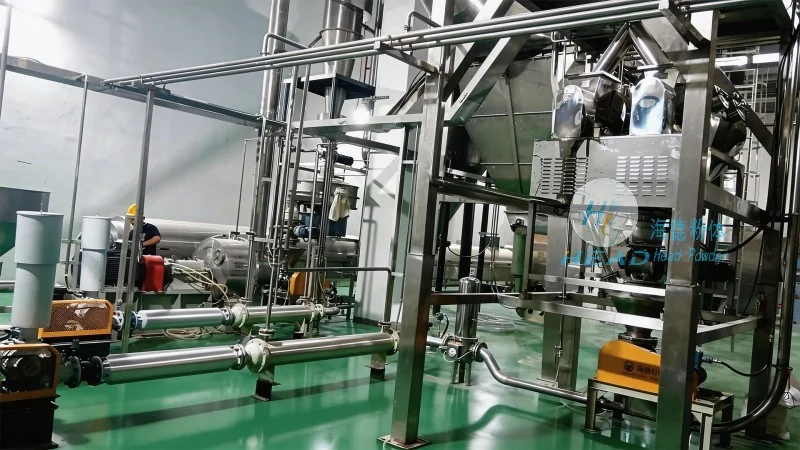
The Working Principle of Pneumatic Conveying for Light Calcium Gypsum
The essence of pneumatic conveying systems lies in using air to move light calcium gypsum particles through a pipeline. The process typically involves a blower or compressor generating an air flow that carries the material from the source to the destination. Two primary types exist: pressure and vacuum systems. In pressure systems, compressed air forces the material along the pipeline, while vacuum systems create negative pressure at the receiving end to draw material through. For light calcium gypsum—characterized by low density and fine particle size—the pressure system is often optimal as it handles higher loads and maintains consistent flow rates. Key components include the hopper (for material storage), conveyor line (designed for material and pressure), air supply unit (blower/compressor), and control valves. The hopper feeds material into the pipeline at a controlled rate to prevent blockages. The air supply unit provides the necessary pressure/vacuum, with control valves regulating air flow and material discharge. Pipeline design is critical: for light calcium gypsum prone to dust or caking, materials like stainless steel or PTFE-coated surfaces are used to minimize buildup. The blower or compressor is selected based on material properties (density, particle size, moisture), with high-volume, low-pressure blowers preferred for efficient transport without excessive energy use.
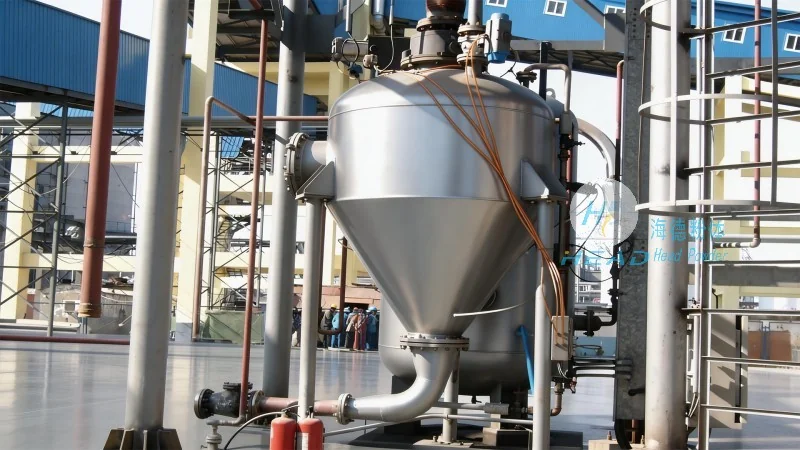
Classification of Pneumatic Conveying Systems for Light Calcium Gypsum
Pneumatic conveying systems for light calcium gypsum are classified by conveying method, system pressure, and application needs. The main distinction is between pressure and vacuum systems, with pressure systems further split into positive/negative variants. Positive pressure systems (compressed air pushing material) are more common for light calcium gypsum due to their ability to handle higher loads and maintain flow consistency. Within pressure systems, dilute and dense phase conveying are used: dilute phase (low material concentration in air stream) is ideal for fine powders like light calcium gypsum, keeping particles suspended with sufficient air velocity; dense phase (higher material concentration, slurry-like state) is for abrasive or high-load materials. For light calcium gypsum, dilute phase is preferred for flow control and blockage prevention. Systems are also classified by line count: single-line for short, simple conveying; multi-line for complex distribution to multiple destinations. Selection depends on distance, material volume, and destination count.
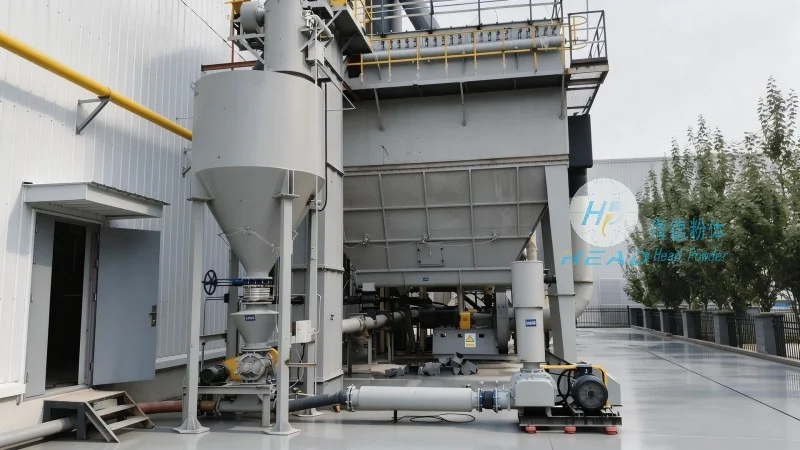
Application Scenarios and Benefits of Light Calcium Gypsum Pneumatic Conveying
Light calcium gypsum pneumatic conveying systems are widely applied in construction, pharmaceuticals, and food processing. In construction, light calcium gypsum is a raw material for gypsum boards; pneumatic conveying transports it from silos to production lines, offering improved hygiene, reduced labor costs, and efficient large-volume handling. In pharmaceuticals, it serves as a tablet/capsule filler; the system ensures flow control for quality consistency and minimizes contamination risk. In food processing, it acts as a thickening agent; pneumatic conveying provides safety (no manual handling) and reduces cross-contamination, with efficient large-volume supply. Overall, the technology enhances efficiency, cuts labor costs, boosts hygiene, and improves product quality, becoming essential for sustainable material handling in modern industries.