

Principle and Classification Application of Wood Chip Pneumatic Conveying
Wood chip pneumatic conveying systems are vital in the processing and transportation of wood chips, a key material across industries like pulp and paper, biomass energy, and woodworking. These systems leverage air as the primary medium to move wood chips from one location to another, offering advantages over traditional mechanical conveyors such as high efficiency, lower labor costs, and enhanced safety. Understanding the working principles and classification of these systems is essential for selecting the most appropriate solution for specific industrial needs.
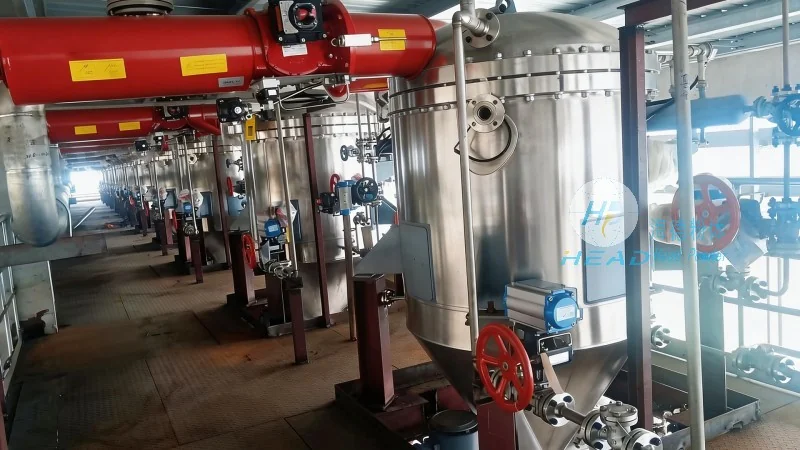
Working Principle of Pneumatic Conveying for Wood Chips
The core mechanism of wood chip pneumatic conveying involves generating a high-pressure air stream using a compressor or blower. This air stream is then directed through a pipeline system where wood chips are introduced and carried along by the airflow. The system typically includes components like a hopper for material storage, a feeder to control chip flow into the pipeline, a conveying line (with bends and straight sections), and a receiver or discharge point for material deposition. The air velocity within the pipeline must be sufficient to overcome gravitational force and frictional resistance, ensuring stable, continuous transport. The principle of fluidization is often applied, creating a suspension of wood chips that prevents clogging or blockages.
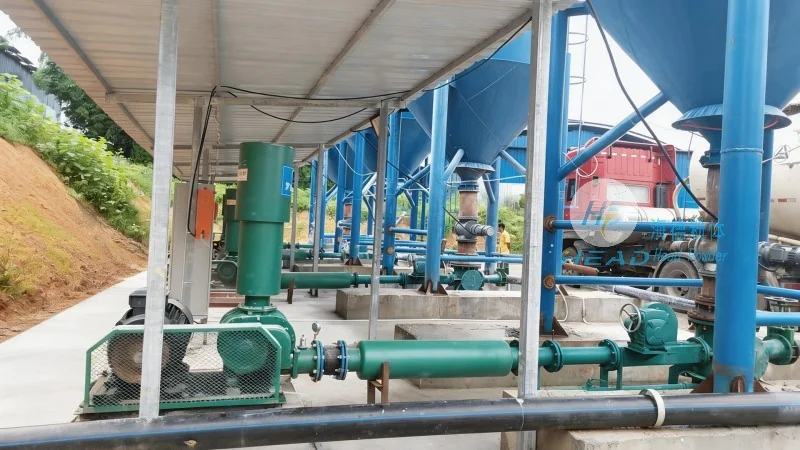
Classification of Wood Chip Pneumatic Conveying Systems
Wood chip pneumatic conveying systems are classified based on factors like material flow direction, air flow type, and system configuration. The main classifications are pressure and vacuum systems. Pressure systems operate by forcing air and material through the pipeline under positive pressure, using a positive displacement blower or centrifugal fan—ideal for long-distance, high-capacity transport due to consistent pressure and flow rates. Vacuum systems, conversely, use a vacuum pump to create negative pressure, drawing wood chips into the system from sources, suitable for short-distance or multi-source collection. Additionally, systems are categorized as dilute-phase or dense-phase based on material concentration in the air stream. Dilute-phase systems have low chip concentrations with air velocities above 20 m/s, suited for short-to-medium distances. Dense-phase systems, with higher concentrations and lower air velocities (5-15 m/s), are used for longer distances and to minimize material degradation.
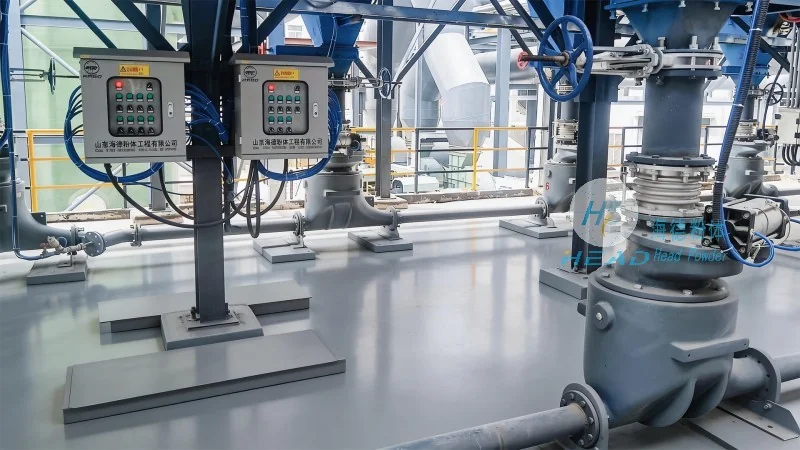
Application Scenarios and Benefits
Wood chip pneumatic conveying systems are widely applied in industrial settings. In the pulp and paper industry, they transport wood chips from storage to pulping/refining processes, improving production throughput and reducing downtime. In biomass energy plants, wood chips are conveyed to combustion or gasification units as fuel, with the system’s ability to handle large volumes over long distances being advantageous. For woodworking and furniture manufacturing, these systems move chips from sawmills to storage or processing facilities. Benefits include reduced dust generation, improved safety, and closed-system operation that minimizes environmental impact. The systems also offer layout flexibility, integrating into existing production lines without major structural changes.
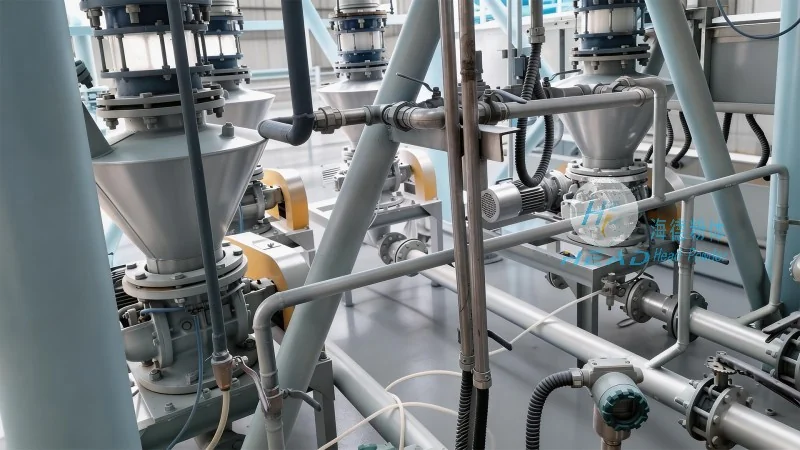
Key Considerations for System Design and Implementation
Designing a wood chip pneumatic conveying system requires careful consideration of material characteristics (size, moisture, density), capacity, and transport distance. The choice between pressure and vacuum systems depends on application needs (e.g., long-distance transport vs. multi-source collection). Pipeline design (diameter, length, bends) impacts efficiency and energy use, while proper blower/vacuum pump sizing maintains required pressure/flow. Real-time monitoring via flow meters and pressure sensors is essential. Regular maintenance—pipeline cleaning, component replacement, leak checks—is critical for performance. By addressing these factors, industrial facilities can implement effective systems tailored to their operational requirements. Shandong HeadPowder Engineering Co., Ltd., a leading provider of pneumatic conveying solutions, specializes in designing systems that meet these needs, ensuring optimal performance and longevity for wood chip processing industries.