When it comes to industrial processes involving gypsum, the efficiency and reliability of material handling equipment are paramount. Gypsum, a widely used mineral in construction and manufacturing, requires specialized equipment to ensure safe and efficient transport from processing sites to end-use applications. This article explores the nature of gypsum material handling equipment and the fundamental design principles that underpin its functionality.
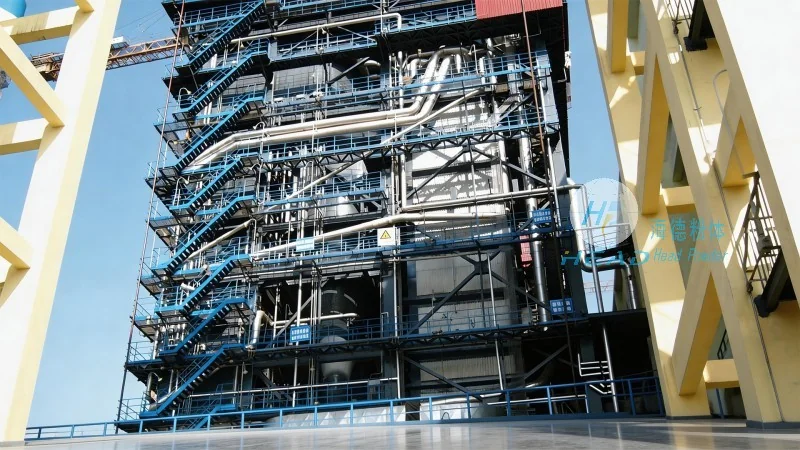
Introduction to Gypsum Material Handling Equipment
Gypsum material handling equipment is a specialized category of machinery designed to transport, store, and manage gypsum materials. Gypsum, chemically known as calcium sulfate dihydrate (CaSO₄·2H₂O), is a soft, white mineral that is processed into various products such as drywall, plaster, and cement additives. The equipment used to handle gypsum must be capable of managing its bulk, often in powdered or granular form, while maintaining product integrity and preventing dust generation. The primary goal of such equipment is to streamline the material flow in industrial settings, reducing labor costs and improving overall operational efficiency.
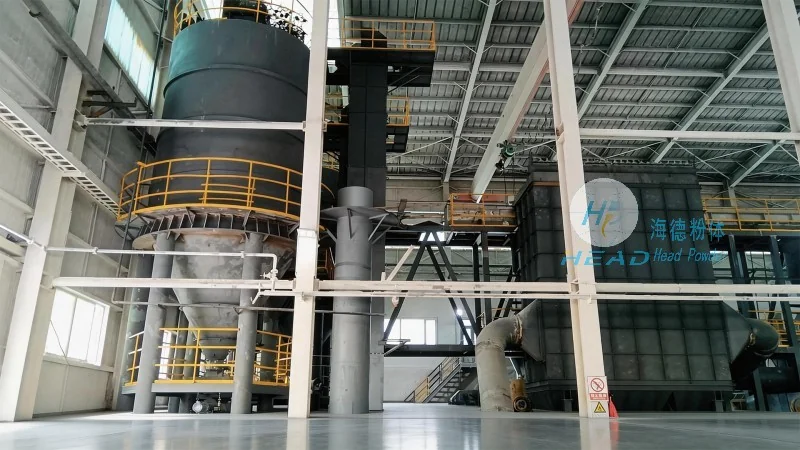
Key Components and Design Principles of the Equipment
The design of gypsum material handling equipment is centered on several critical components and principles that ensure optimal performance. One of the most crucial elements is the material handling system, which may include conveyors, elevators, and feeders. These components are engineered to handle the specific physical properties of gypsum, such as its fine particle size and tendency to create dust. The equipment is typically constructed from materials resistant to corrosion and abrasion, as gypsum can be abrasive and may contain moisture that could lead to rust or degradation over time. Additionally, the design incorporates dust control mechanisms, such as sealed enclosures and filtration systems, to maintain a safe working environment and comply with industrial safety standards.
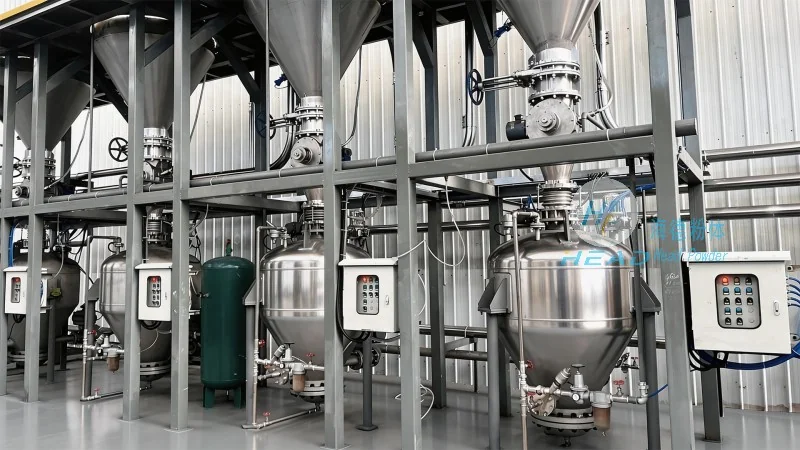
Operational Mechanisms and Material Handling Capabilities
The operational mechanisms of gypsum material handling equipment vary based on the specific application and scale of the operation. For example, belt conveyors are commonly used for horizontal or slight incline transport of gypsum, while bucket elevators are ideal for vertical lifting. Pneumatic conveying systems may also be employed for long-distance transport, especially in environments where dust control is a priority. The equipment is designed to handle varying loads and flow rates, ensuring that the material is moved continuously without interruptions. This continuous operation is essential for maintaining production schedules and minimizing downtime. Furthermore, the equipment is equipped with sensors and controls that allow for real-time monitoring of the material flow, enabling operators to adjust settings as needed to optimize performance.
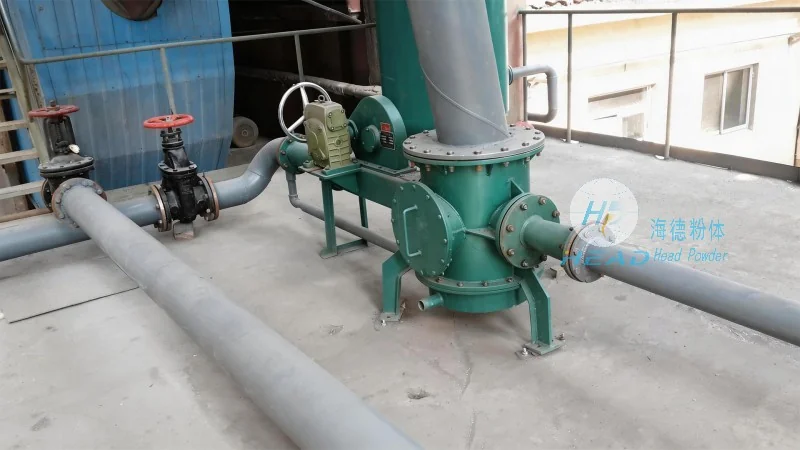
Applications and Industries Served by the Equipment
Gypsum material handling equipment is utilized across a range of industries that rely on gypsum as a raw material. In the construction industry, the equipment is essential for transporting gypsum into manufacturing facilities where it is processed into drywall and plaster products. The mining and quarrying sector also benefits from such equipment for extracting and transporting raw gypsum from the earth. Additionally, the agricultural and pharmaceutical industries may use gypsum for soil conditioning and as a component in certain formulations, respectively. The versatility of the equipment makes it suitable for various applications, from small-scale operations to large-scale industrial plants.




