Mobile material handling conveyors represent a sophisticated solution in industrial logistics, designed to enhance flexibility and efficiency in material movement. These systems are engineered to move goods and materials within a facility or between different operational areas, offering a dynamic alternative to fixed conveyors. As businesses seek to optimize their workflow and adapt to changing production needs, understanding the design principles behind these mobile conveyors becomes crucial.
Defining Mobile Material Handling Conveyors
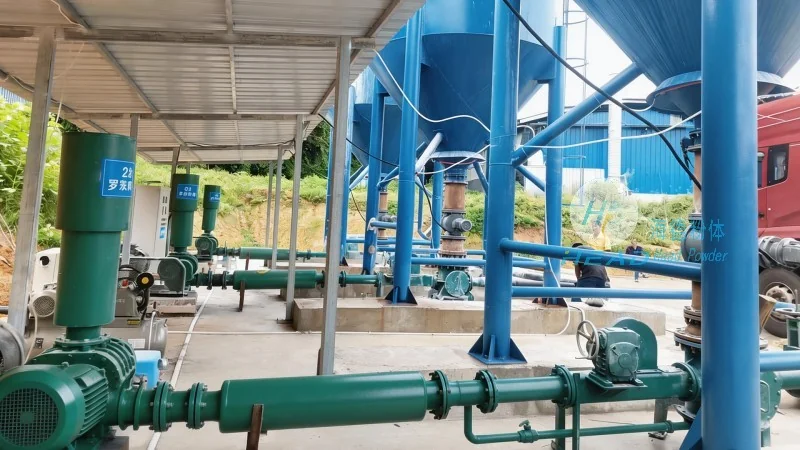
A mobile material handling conveyor is a type of conveyor system that can be moved or repositioned as needed, providing unparalleled flexibility in industrial environments. Unlike traditional fixed conveyors, which are installed in a permanent location, mobile conveyors are equipped with wheels or tracks that allow them to be reconfigured or relocated without extensive downtime or structural modifications. This mobility enables businesses to adapt their material flow based on current production demands, seasonal variations, or changes in product lines.
The Core Design Principles of Mobile Conveyors
The design of mobile material handling conveyors is centered on several key principles that ensure functionality, durability, and adaptability. These principles include modular construction, allowing for easy assembly and reconfiguration; robust mobility systems, such as heavy-duty wheels or rail systems, to support the weight of the conveyor and its load; and integrated control mechanisms that enable precise movement and positioning. Additionally, the design emphasizes safety features, including emergency stop buttons, overload protection, and collision avoidance systems, to ensure the protection of both personnel and equipment.
Key Components and Their Functions
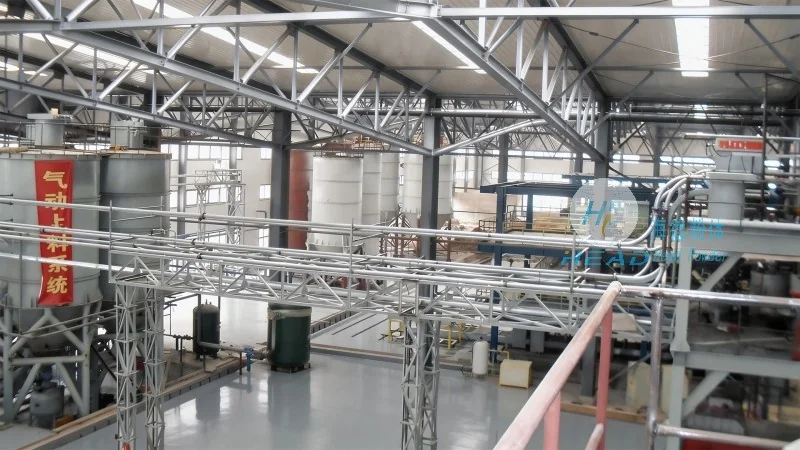
Mobile material handling conveyors typically consist of several critical components, each playing a vital role in the system's operation. The primary components include the frame, which provides structural support; the drive system, which powers the conveyor's movement; the load-bearing surface, such as rollers or belts, which transports materials; and the mobility mechanism, which allows for repositioning. The frame is often constructed from high-strength steel to withstand heavy loads and frequent movement. The drive system may use electric motors or hydraulic systems, depending on the conveyor's design and application. The load-bearing surface is designed to handle various types of materials, from lightweight products to heavy industrial components, ensuring smooth and efficient transport. The mobility mechanism, which can include wheels, casters, or tracks, is engineered to support the entire weight of the conveyor and its load, enabling seamless movement across different floor surfaces.
Applications and Benefits in Industrial Settings
Mobile material handling conveyors are widely used in various industrial sectors, including manufacturing, warehousing, and distribution centers. Their primary benefits include increased flexibility, reduced downtime, and improved space utilization. By allowing for the reconfiguration of material flow paths, these systems help businesses adapt to changing production schedules or product lines without the need for costly infrastructure changes. Additionally, mobile conveyors can be integrated with other automation systems, such as robotic arms or automated storage and retrieval systems (AS/RS), to create a comprehensive material handling solution. The ability to move equipment as needed also helps in optimizing warehouse layout and maximizing storage capacity, as unused areas can be repurposed for other operations.
Customization and Scalability
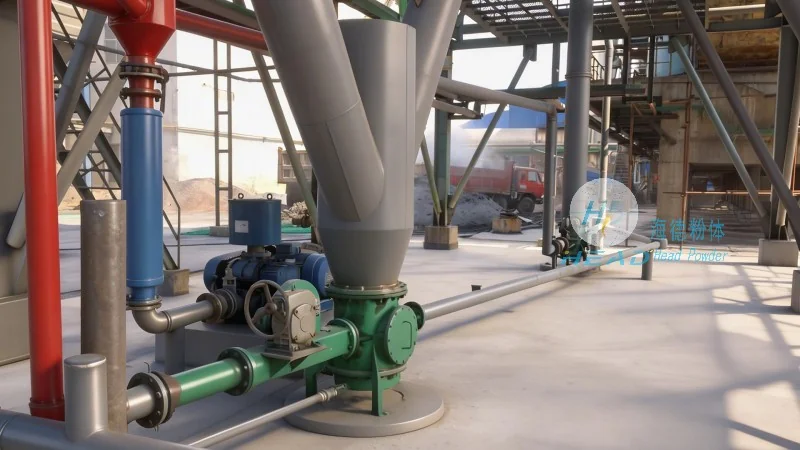
One of the significant advantages of mobile material handling conveyors is their ability to be customized and scaled to meet specific operational requirements. Manufacturers can tailor the conveyor's design, including the length, width, and load capacity, to suit the needs of individual applications. This customization allows businesses to optimize their material handling processes, ensuring that the system operates at peak efficiency. Furthermore, mobile conveyors can be expanded or modified over time as production needs evolve, providing a long-term solution that grows with the business. This scalability reduces the need for frequent replacements or upgrades, offering a cost-effective approach to material handling.
Maintenance and Operational Considerations
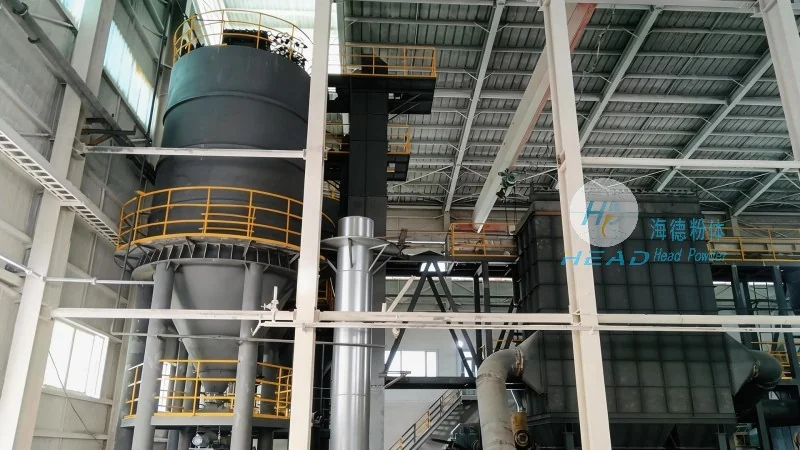
Proper maintenance is essential to ensure the longevity and reliability of mobile material handling conveyors. Regular inspections of the mobility components, such as wheels and tracks, are necessary to detect wear and tear and prevent breakdowns. The drive system and load-bearing surfaces also require periodic maintenance to maintain optimal performance. Additionally, operators should follow safety guidelines and operational procedures to prevent accidents and ensure the system operates efficiently. By adhering to a regular maintenance schedule and proper operational practices, businesses can maximize the lifespan of their mobile conveyors and minimize downtime.
Conclusion
Mobile material handling conveyors represent a sophisticated and flexible solution for modern industrial material handling needs. By understanding the design principles and key components of these systems, businesses can make informed decisions about implementing mobile conveyors to enhance their operational efficiency and adaptability. As the demand for flexible and efficient material handling solutions continues to grow, mobile conveyors are poised to play an increasingly important role in industrial logistics. With proper design, customization, and maintenance, these systems can provide long-term benefits and contribute to the overall success of industrial operations.




