

Principles and Classification Applications of Pharmaceutical Pneumatic Conveying
Pharmaceutical pneumatic conveying systems are critical in modern pharmaceutical manufacturing, ensuring efficient and safe material handling for powders and granules. Shandong HeadPowder Engineering Co., Ltd. specializes in designing and implementing advanced pneumatic conveying solutions tailored to the unique needs of the pharmaceutical industry. This article introduces the fundamental principles of pneumatic conveying, its classification, and practical applications within the pharmaceutical sector.
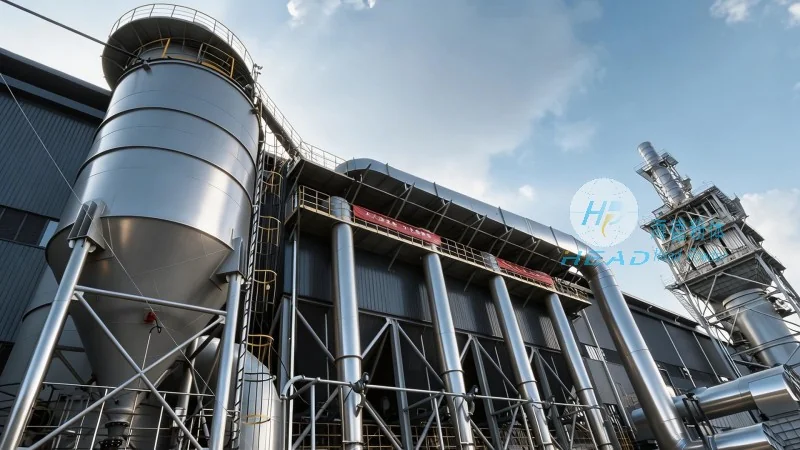
Introduction to Pharmaceutical Pneumatic Conveying
Pharmaceutical pneumatic conveying is a method of transporting bulk materials, such as powders and granules, using a pressurized or vacuum air stream. This technology is widely adopted in the pharmaceutical sector due to its ability to maintain product integrity, minimize contamination risks, and enhance operational efficiency. The system typically consists of a material feed hopper, a conveying line, and a discharge point, all integrated with control mechanisms to regulate flow and pressure. HeadPowder, with its headquarters in Shandong, China, has extensive experience in developing customized solutions for pharmaceutical clients worldwide.
Core Principles of Pneumatic Conveying
The fundamental principle of pneumatic conveying is the use of air to move solid particles. In a pressurized system, air is forced through the conveying line, creating a positive pressure that propels the material. Conversely, a vacuum system uses a vacuum pump to create a negative pressure, drawing material into the line. The choice between these systems depends on factors like material properties, distance, and system layout. Key principles include maintaining sufficient air velocity to prevent material settling, controlling pressure differentials to avoid blockages, and ensuring proper filtration to meet regulatory standards. The company's engineering team ensures that each system is optimized for the specific characteristics of the pharmaceutical materials being handled.
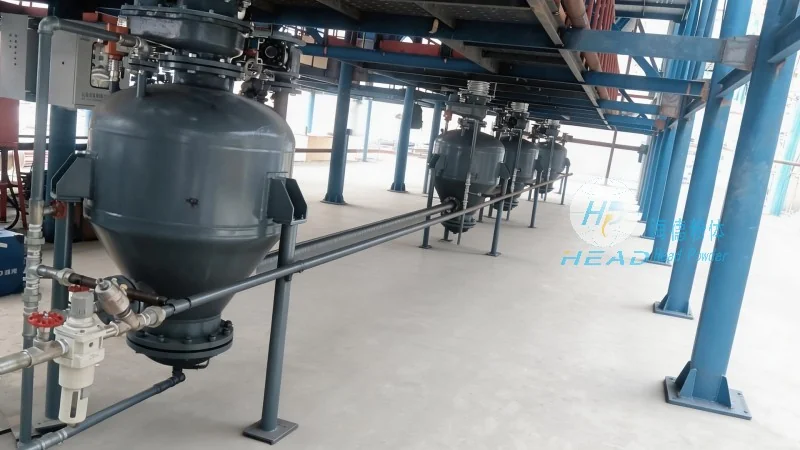
Classification of Pharmaceutical Pneumatic Conveying Systems
Pharmaceutical pneumatic conveying systems are classified based on several criteria, including the type of air flow, material handling capacity, and system configuration. The primary classifications are pressure conveying, vacuum conveying, and combined pressure-vacuum systems.
Pressure Conveying Systems
Pressure conveying systems operate under positive pressure, where air is introduced at the material feed point and moves the product through the line. These systems are suitable for long-distance transport and high material flow rates. They are commonly used for transporting materials from storage silos to processing areas or packaging lines. The system typically includes a blower or compressor at the discharge end, ensuring consistent pressure throughout the conveying line. HeadPowder's pressure conveying solutions are designed to handle large volumes of bulk materials efficiently, with robust components that withstand the demands of continuous operation in pharmaceutical facilities.
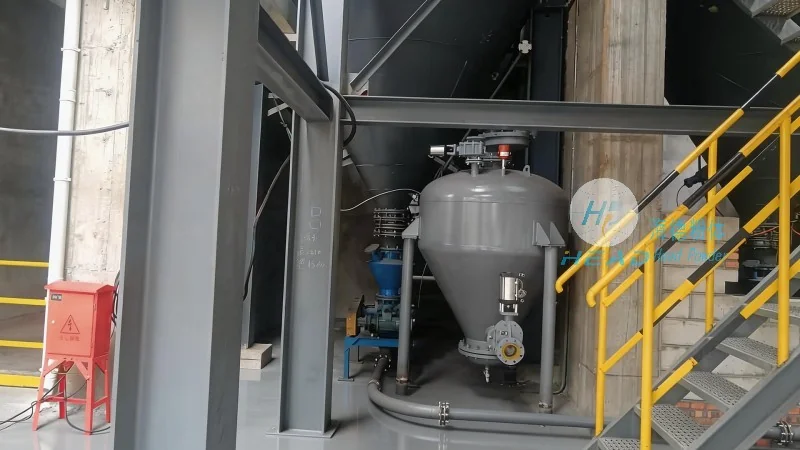
Vacuum Conveying Systems
Vacuum conveying systems use a vacuum pump to create a negative pressure that draws material from the source into the conveying line. This method is ideal for short to medium-distance transport and handling of materials that are sensitive to pressure changes or contamination. Vacuum systems are often preferred for applications requiring gentle material handling, such as transporting sensitive powders or granules from hoppers or containers. The company's vacuum systems incorporate advanced filtration and cleaning features to maintain product purity and comply with cGMP standards.
Combined Pressure-Vacuum Systems
Combined systems integrate both pressure and vacuum capabilities, offering flexibility in material handling. These systems can handle both forward and reverse transport, making them suitable for complex layouts where materials need to be moved between multiple locations. The system may include a blower for forward transport and a vacuum pump for reverse or return transport, optimizing energy use and operational efficiency. HeadPowder specializes in designing combined systems that adapt to dynamic production requirements, ensuring seamless material flow across different stages of pharmaceutical manufacturing.
Applications in Pharmaceutical Manufacturing
Pharmaceutical pneumatic conveying systems find extensive applications across various stages of pharmaceutical production. These include raw material handling, intermediate product transport, and final product packaging. The systems are used to transport ingredients like APIs (Active Pharmaceutical Ingredients), excipients, and other bulk powders from storage to processing equipment. They also facilitate the movement of finished products from packaging lines to storage or distribution centers. HeadPowder's solutions have been implemented in numerous pharmaceutical facilities, demonstrating reliability and efficiency in handling critical materials.
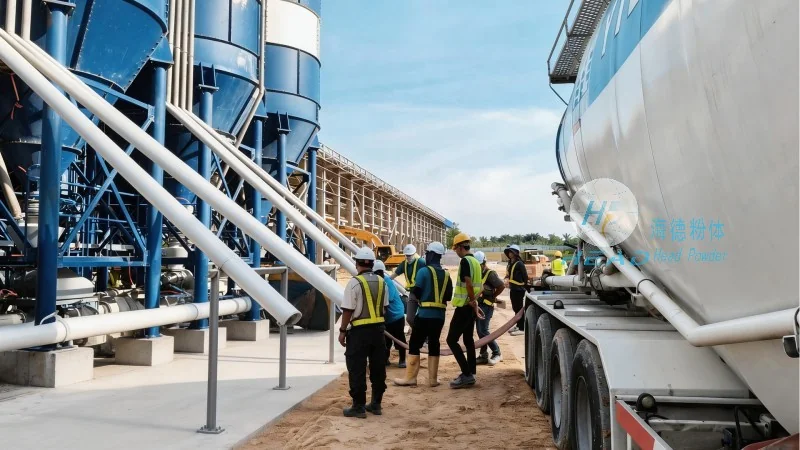
Key Considerations for Pharmaceutical Pneumatic Conveying
Implementing effective pharmaceutical pneumatic conveying requires careful consideration of several factors to ensure compliance with industry regulations and optimal performance. Material properties, such as particle size, density, and flowability, significantly impact system design. For instance, cohesive or fine powders may require specialized equipment like rotary valves or airlocks to prevent blockages and ensure smooth flow. Additionally, system design must incorporate appropriate filtration and cleaning mechanisms to maintain product purity and meet cGMP standards. HeadPowder's engineering approach emphasizes thorough material analysis and customized system design to address these challenges effectively.
Conclusion
Pharmaceutical pneumatic conveying is a vital technology in the pharmaceutical industry, offering efficient, safe, and reliable material handling solutions. By understanding the principles and classifications of these systems, manufacturers can select the most appropriate technology for their specific needs, ensuring compliance with regulatory requirements and enhancing overall operational efficiency. As the pharmaceutical industry continues to evolve, the importance of advanced material handling systems like pneumatic conveying will remain paramount in maintaining high standards of product quality and safety. Shandong HeadPowder Engineering Co., Ltd. remains committed to providing innovative and compliant pneumatic conveying solutions that meet the demanding needs of the pharmaceutical sector.