Perlite material handling is a specialized field within industrial processing that focuses on the efficient movement, storage, and transfer of perlite—a lightweight, volcanic glass material widely used in construction, horticulture, and industrial applications. This article delves into the core concepts of perlite material handling, exploring the fundamental design principles that ensure safe, effective, and cost-efficient operations. By understanding these principles, businesses can optimize their processes and enhance productivity in handling perlite, a material prized for its thermal insulation properties and lightweight characteristics.
What is Perlite?
Before diving into material handling, it's essential to understand what perlite is. Perlite is a naturally occurring volcanic glass formed from the rapid cooling of lava. It is processed by heating the raw material to high temperatures, causing it to expand and form a lightweight, porous structure. This expansion creates a high surface area and low bulk density, making perlite an ideal material for insulation, soil amendment, and filtration. The properties of perlite—such as its low thermal conductivity, high porosity, and inert nature—make it a versatile choice across various industries.
Key Challenges in Perlite Material Handling
Handling perlite presents unique challenges due to its lightweight, dusty, and sometimes abrasive nature. Unlike heavier bulk materials, perlite can easily become airborne, leading to dust accumulation and potential health hazards. Additionally, its low density means it requires specialized equipment to ensure efficient transport without excessive energy consumption. The challenges include preventing material loss, controlling dust emissions, and maintaining consistent flow rates. These factors necessitate careful design and selection of handling systems to ensure operational efficiency and safety.
Design Principles for Efficient Perlite Handling
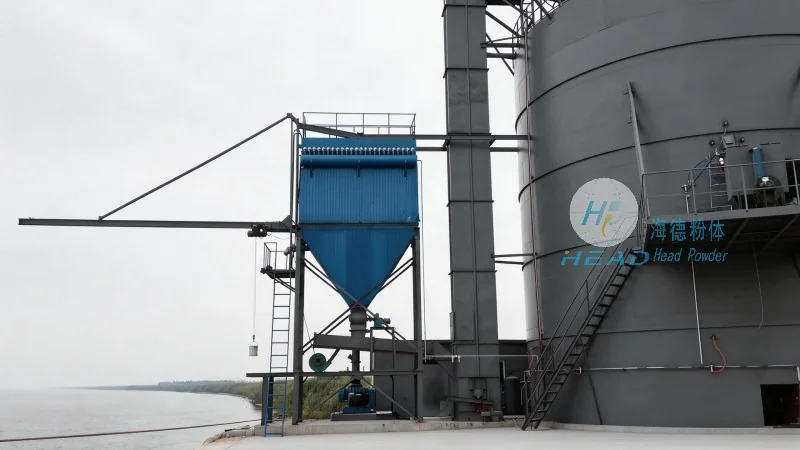
The design of perlite material handling systems is guided by several key principles aimed at optimizing performance and minimizing risks. First, the principle of minimizing dust generation is critical. This involves using enclosed systems, such as pneumatic conveyors or enclosed belt conveyors, to contain the material and prevent airborne particles. Second, the principle of energy efficiency is paramount. Since perlite is lightweight, systems should be designed to use minimal power while maintaining adequate flow rates. This often involves selecting low-friction components and optimizing conveyor speeds. Third, the principle of material containment is essential to prevent spillage and environmental contamination. Enclosed storage and transfer equipment, such as silos and hopper systems, help maintain a clean and controlled environment. Finally, the principle of adaptability is important, as perlite is used in diverse applications, requiring systems that can handle varying particle sizes and flow rates.
Common Equipment Used in Perlite Material Handling
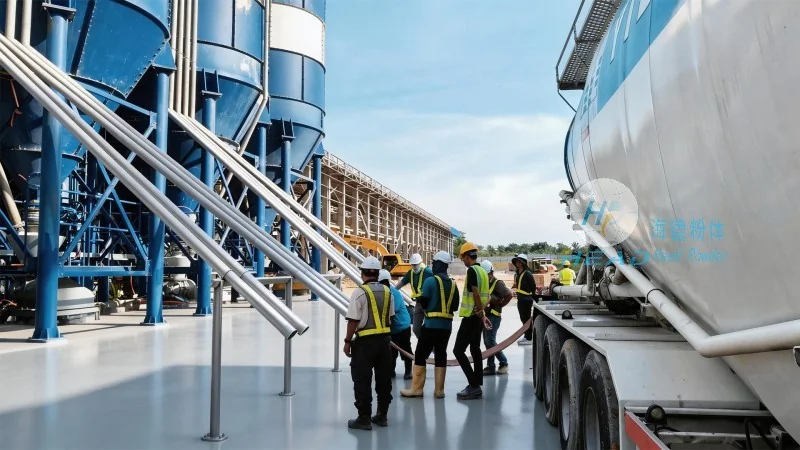
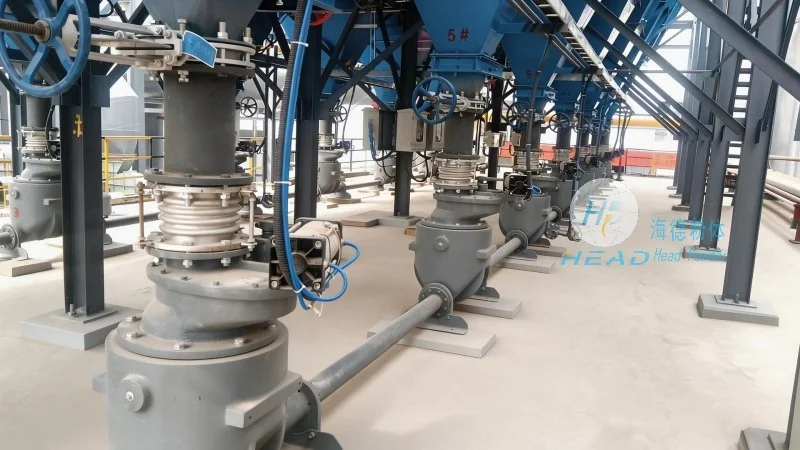
To address the challenges outlined above, several types of equipment are commonly used in perlite handling operations. Pneumatic conveyors are widely employed for long-distance transport, as they can handle fine, dusty materials without the need for mechanical components that might cause blockages. These systems use air pressure to move perlite through a network of pipes, ensuring a clean and efficient transfer. Belt conveyors, particularly enclosed types, are used for short to medium-distance transport, providing a reliable method for moving larger quantities of perlite. Hopper and silo systems are essential for storage and feeding, as they allow for controlled discharge of the material, preventing overfilling and ensuring consistent flow to downstream processes. Additionally, screening and separation equipment may be used to remove impurities or adjust particle size, ensuring the final product meets quality standards.
The Role of Material Properties in Handling Design
The physical and chemical properties of perlite significantly influence the design of handling systems. For instance, perlite's low bulk density means that conveyors must be designed to handle a lighter load per unit volume, which can affect the speed and power requirements. Its high porosity and dustiness require enclosed systems to prevent contamination and health risks. The inert nature of perlite also allows for compatibility with a wide range of equipment materials, reducing the risk of chemical reactions or corrosion. Understanding these properties enables engineers to select the most appropriate equipment and design parameters, ensuring the system operates efficiently and safely.
Company Overview: Shandong HeadPowder Engineering Co., Ltd.
Shandong HeadPowder Engineering Co., Ltd. is a leading provider of specialized equipment and solutions for perlite material handling. With a focus on innovation and customer-centric design, the company has established itself as a trusted partner in the industry. HeadPowder's expertise lies in developing customized systems that address the unique challenges of perlite handling, ensuring optimal performance and reliability. The company's facilities are located in Shandong, China, where it leverages local resources and expertise to deliver high-quality products and services. By combining advanced engineering with practical application knowledge, HeadPowder helps businesses improve their perlite handling processes, reduce costs, and enhance overall operational efficiency.
Conclusion: Optimizing Perlite Handling for Industrial Success
Perlite material handling is a critical aspect of industrial operations, and understanding its design principles is essential for achieving efficiency and safety. By addressing the unique challenges of perlite's properties, such as dust generation and low density, businesses can implement effective handling systems. The key to success lies in applying the principles of dust control, energy efficiency, and material containment, along with the use of appropriate equipment like pneumatic conveyors and enclosed belt systems. For companies seeking reliable solutions, Shandong HeadPowder Engineering Co., Ltd. offers expert guidance and customized equipment to meet their specific needs. By partnering with HeadPowder, businesses can enhance their perlite handling processes, reduce operational costs, and achieve sustainable growth in their respective industries.




