Aluminum oxide, commonly known as alumina, is a widely used material in various industrial sectors due to its high hardness, chemical stability, and thermal resistance. The efficient and reliable transportation of aluminum oxide particles is crucial for maintaining production efficiency and product quality. Pneumatic conveying technology has emerged as a key solution for handling these particles, offering advantages over traditional methods such as belt conveyors or bucket elevators. This article explores the principles, applications, and future trends of pneumatic conveying for aluminum oxide particles, highlighting the role of specialized engineering companies like Shandong HeadPowder Engineering Co., Ltd. in advancing this technology.
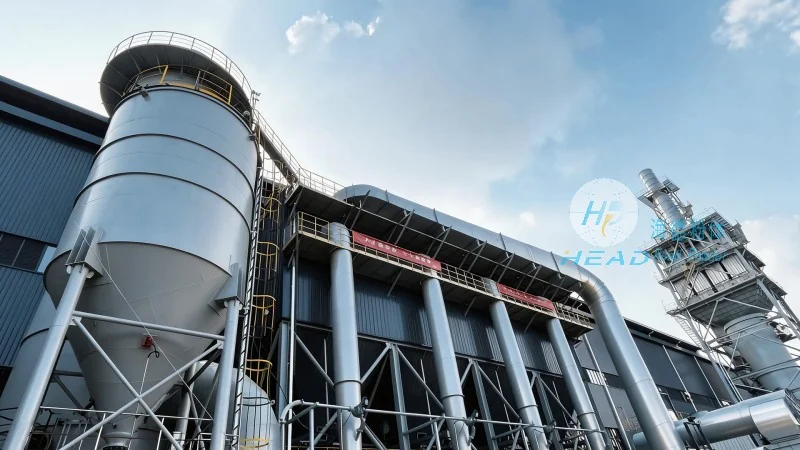
Introduction to Pneumatic Conveying for Aluminum Oxide Particles
Pneumatic conveying, or air conveying, is a method of transporting bulk materials by using a stream of gas, typically air, to move the particles through a pipeline. This technology is particularly suitable for handling fine or dusty materials like aluminum oxide, which are often difficult to transport using conventional mechanical systems. The process involves creating a pressure differential or using a vacuum to draw the material into the conveying line. For aluminum oxide particles, which can range in size from microns to millimeters and have varying densities, the design of the pneumatic system must account for these characteristics to ensure optimal performance.
Principles of Pneumatic Conveying
There are two main types of pneumatic conveying systems: suction (or vacuum) systems and pressure systems. Suction systems operate by creating a negative pressure at the inlet, drawing the material into the pipeline as the air flows. These systems are often used for short-distance or low-volume applications and are effective for handling materials that are prone to dust generation. Pressure systems, on the other hand, use a positive pressure to push the material through the pipeline, typically from a blower or compressor. This method is suitable for longer distances and higher volumes, and is commonly used in industrial settings where large quantities of aluminum oxide need to be transported.
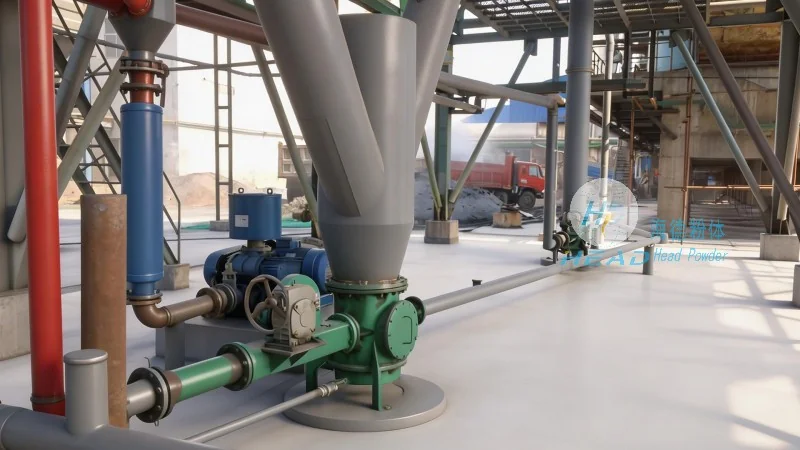
The performance of a pneumatic conveying system for aluminum oxide particles is influenced by several factors, including the particle size distribution, bulk density, and moisture content. Coarser particles with higher bulk density may require higher air velocities to maintain flow, while finer particles may need lower velocities to prevent clogging. The design of the system, including the choice of pipeline diameter, material of construction (often stainless steel or special alloys to resist corrosion from the oxide), and the type of airlock or feeder, is critical to achieving consistent and efficient conveying. For example, a well-designed suction system for fine alumina powder can achieve conveying rates of several tons per hour with minimal pressure drop, ensuring that the material reaches its destination without degradation.
Applications in Industrial Production
Aluminum oxide particles are used in a wide range of industrial applications, and pneumatic conveying is essential for their transportation in these processes. In the ceramics industry, for instance, high-purity alumina is used as a raw material for producing refractory bricks, ceramic tiles, and advanced ceramic components. The pneumatic system must be capable of transporting these fine powders from storage silos to mixing and molding equipment without causing contamination or loss of material. Similarly, in the chemical industry, alumina is used as a catalyst support or in the production of other chemicals, and the conveying system must maintain the purity of the material throughout the process.
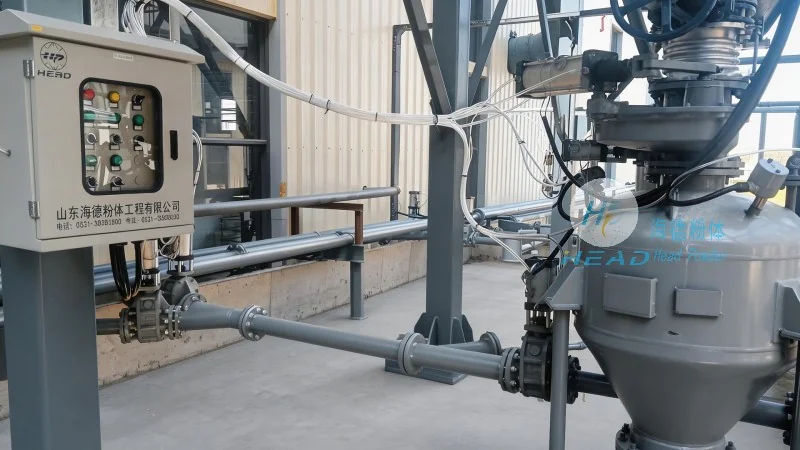
Another significant application is in the production of aluminum metal, where alumina is converted into aluminum through the Hall-Héroult process. The transportation of alumina from the calcination plant to the electrolysis cells is a critical step, and pneumatic conveying ensures that the material is delivered efficiently and without damage. In the pharmaceutical and food industries, although less common, alumina is used as an excipient or filler, and the conveying system must meet stringent hygiene standards, which is achievable with properly designed and sanitized pneumatic equipment.
Technological Advancements and Development Trends
Over the years, pneumatic conveying technology for aluminum oxide particles has evolved to meet the increasing demands for efficiency, reliability, and cost-effectiveness. One of the key advancements is the development of pulse-jet or rotary airlock feeders, which provide consistent material flow and reduce the risk of blockages. These systems use compressed air pulses to dislodge particles from the feeder, ensuring a steady supply to the conveying line. Another innovation is the integration of variable frequency drives (VFDs) to control the speed of the blower or compressor, allowing for precise adjustment of air pressure and flow rate based on the load and particle characteristics.
Automation and digital control systems have also become integral to modern pneumatic conveying systems. Sensors and monitoring devices can track parameters such as pressure, flow rate, and material level, providing real-time data to operators. This enables proactive maintenance and adjustments to optimize performance. Additionally, the use of advanced materials, such as corrosion-resistant alloys and high-strength plastics, has improved the durability and longevity of the conveying equipment, reducing downtime and maintenance costs.
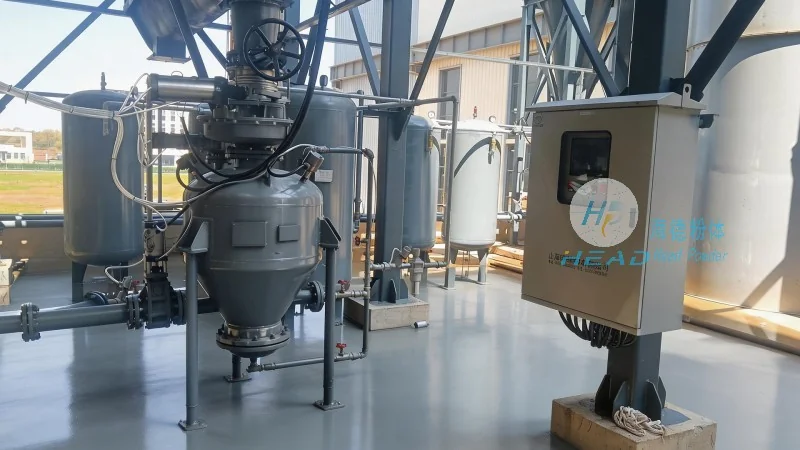
Future trends in pneumatic conveying for aluminum oxide particles are focused on sustainability and intelligent operation. There is a growing emphasis on reducing energy consumption and minimizing environmental impact. This includes the development of more efficient blowers and compressors, as well as the use of renewable energy sources to power the conveying systems. Furthermore, the integration of Internet of Things (IoT) technologies allows for remote monitoring and predictive maintenance, enhancing the overall reliability and efficiency of the system. Customized solutions tailored to specific industrial needs are also becoming more prevalent, with companies like Shandong HeadPowder Engineering Co., Ltd. offering comprehensive engineering services to design and implement tailored pneumatic conveying systems that meet the unique requirements of each client.
In conclusion, pneumatic conveying technology plays a vital role in the efficient handling of aluminum oxide particles across various industries. The principles of suction and pressure systems, combined with advancements in material handling and automation, have made it possible to transport these valuable materials reliably and cost-effectively. As the demand for high-purity aluminum oxide continues to grow, the development of more sophisticated and sustainable pneumatic conveying systems will remain a key focus for industrial manufacturers and engineering companies. Shandong HeadPowder Engineering Co., Ltd. exemplifies this commitment, providing expert solutions that enhance production efficiency and support the evolving needs of the aluminum oxide industry.




