HeadPowder, a leading enterprise in the field of material handling and processing, specializes in advanced pneumatic conveying solutions for glass beads. This technology represents a sophisticated approach to transporting fine particles efficiently and reliably. The following sections will delve into the fundamental principles, practical applications, and emerging trends of glass bead pneumatic conveying systems, providing a comprehensive overview for industry professionals and potential clients.
Principles of Pneumatic Conveying for Glass Beads
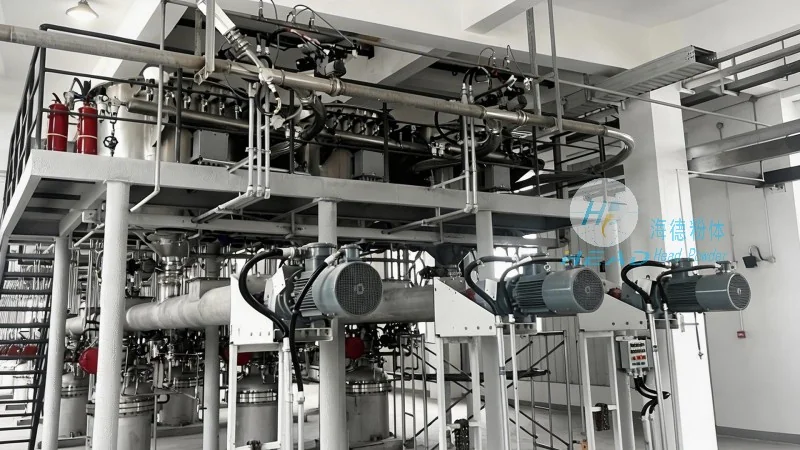
The core principle of glass bead pneumatic conveying involves the use of air or gas to transport particles through a pipeline system. Unlike traditional mechanical conveying methods, this process relies on the dynamic interaction between the conveying medium and the material being moved. Key components typically include a feeding device, a conveying line, a separation unit, and a discharge mechanism. The system operates by creating a pressure differential or using vacuum to draw the glass beads into the pipeline, where they are carried by the moving air stream. This method is particularly effective for handling fine, abrasive, or lightweight materials like glass beads, which are prone to clogging or degradation in mechanical systems.
Applications in Industrial Settings
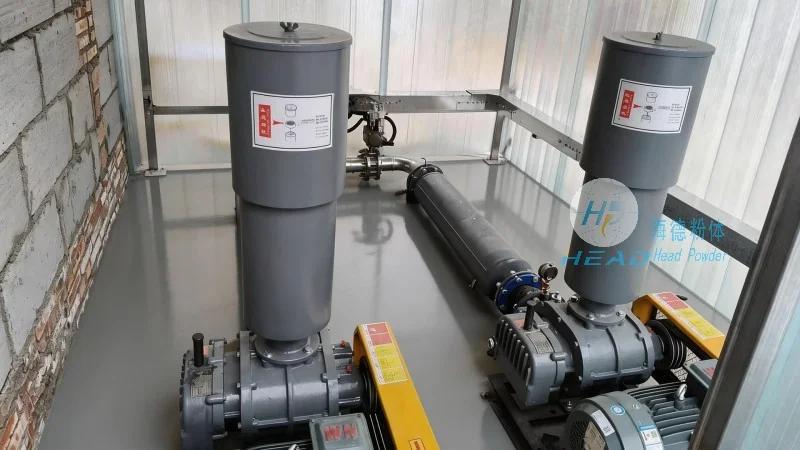
Glass bead pneumatic conveying technology finds extensive application across various industries. In the manufacturing sector, it is commonly used in the production of glass products, where uniform and consistent bead transport is critical for quality control. The automotive industry leverages this technology for coating applications, ensuring precise distribution of glass beads in automotive finishes. Additionally, the construction industry utilizes glass beads in road surfacing and protective coatings, where the ability to transport materials over long distances without degradation is essential. Other sectors, such as aerospace and electronics, also benefit from the precision and cleanliness offered by pneumatic conveying systems when handling delicate or high-purity glass beads.
Advantages of Glass Bead Pneumatic Conveying
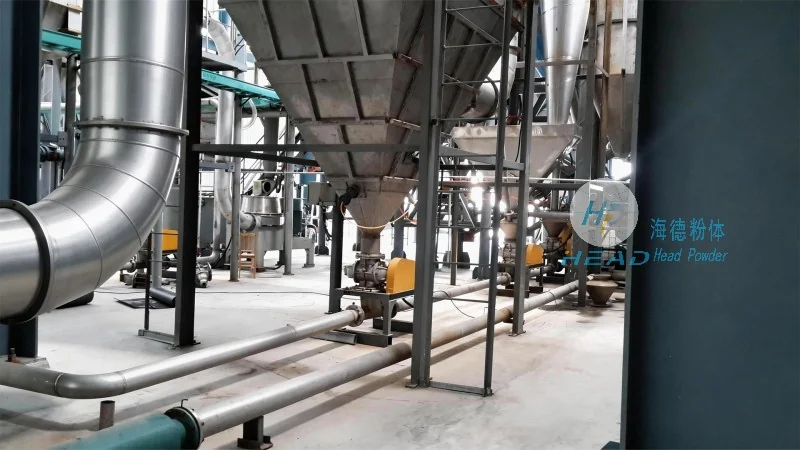
Compared to traditional conveying methods, glass bead pneumatic conveying offers several distinct advantages. Firstly, it eliminates the need for mechanical components that can cause wear and tear on abrasive glass beads, reducing maintenance costs and extending equipment lifespan. Secondly, the system provides a hygienic and dust-free environment, which is crucial for industries where contamination must be minimized, such as food and pharmaceutical manufacturing. Thirdly, pneumatic conveying allows for flexible and scalable solutions, enabling the transport of materials over varying distances and volumes without significant modifications to the system. Furthermore, the technology supports the integration of automation and control systems, enhancing operational efficiency and reducing human intervention in material handling processes.
Technological Innovations and Development Trends
The field of glass bead pneumatic conveying is continuously evolving, driven by advancements in material science and process engineering. Recent innovations focus on improving system efficiency and sustainability. For instance, the adoption of energy-efficient air compressors and optimized pipeline designs has reduced operational costs and environmental impact. Additionally, the integration of smart sensors and real-time monitoring systems allows for better control over conveying parameters, such as flow rate and pressure, leading to more consistent material transport. Emerging trends also include the development of hybrid systems that combine pneumatic and mechanical conveying methods to address specific challenges, such as handling high volumes of glass beads over long distances. Furthermore, research into new materials for pipeline components, such as corrosion-resistant alloys and advanced polymers, enhances the durability and longevity of conveying systems. These advancements are expected to further expand the applications of glass bead pneumatic conveying in both existing and emerging industries.
Conclusion and Future Outlook
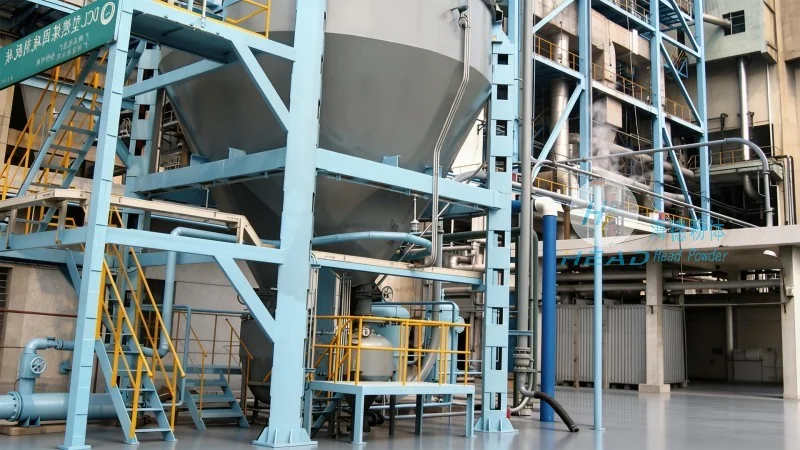
Glass bead pneumatic conveying technology, as exemplified by the solutions offered by Shandong HeadPowder Engineering Co., Ltd., represents a robust and versatile approach to material handling. By leveraging the principles of pneumatic transport, this technology addresses the unique challenges associated with glass beads, providing efficient, reliable, and cost-effective solutions. As industry demands for precision, sustainability, and automation grow, the continued development of advanced pneumatic conveying systems will play a pivotal role in meeting these needs. The future of glass bead handling is likely to be shaped by further innovations in system design, energy efficiency, and integration with digital technologies, ensuring that this technology remains a cornerstone of industrial material processing for years to come.




