

Soybean Grain Pneumatic Conveying Technology: Principles, Applications, and Development Trends
HeadPowder, a leading engineering company based in Shandong, China, specializes in advanced grain handling solutions, including soybean grain pneumatic conveying systems. This technology represents a modern approach to material transport, offering efficient and reliable methods for moving bulk agricultural products like soybeans.
Principles of Pneumatic Conveying for Soybean Grain
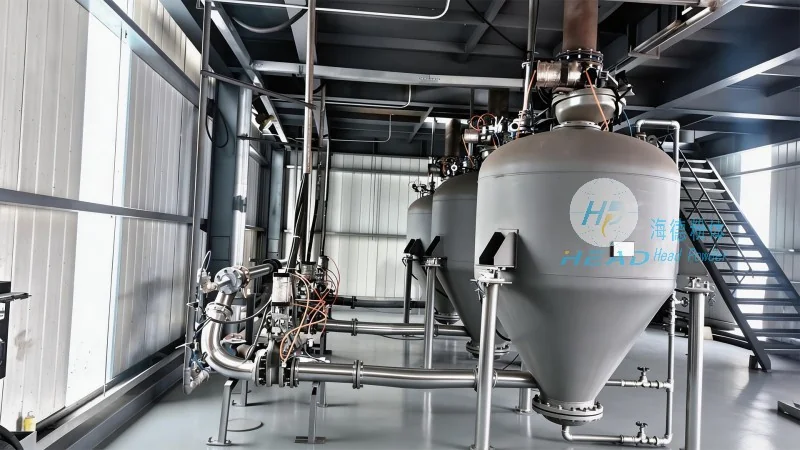
Pneumatic conveying technology operates by using air pressure to transport solid materials through a pipeline system. In the context of soybean grain, this involves creating a flow of air that carries the grain particles from a source to a destination. The core principle is the generation of sufficient air velocity to overcome the gravitational and frictional forces acting on the grain, enabling smooth and continuous movement. Key components include the hopper for material storage, the air compressor to generate the necessary pressure, and the pipeline network that directs the flow. The system can be designed as either a positive pressure or negative pressure system, each with specific advantages depending on the application requirements. Positive pressure systems push air and material through the pipeline, while negative pressure systems draw material into the system using a vacuum. The choice of system depends on factors such as the distance of transport, the quantity of material, and the need for dust control.
Applications of Pneumatic Conveying in Soybean Processing
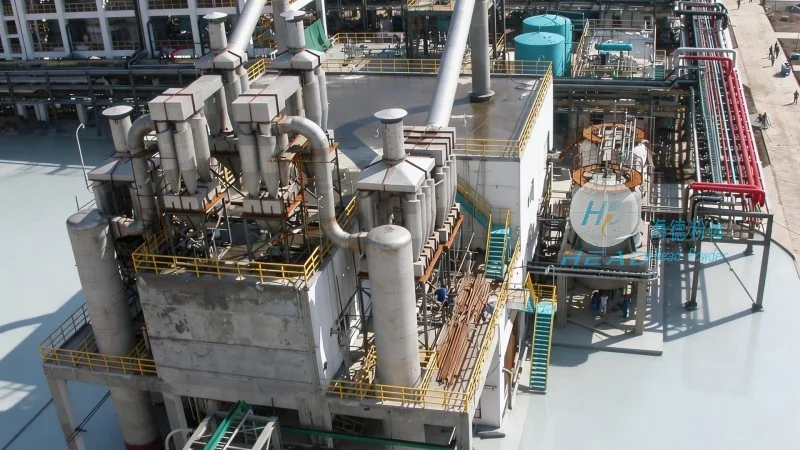
The application of pneumatic conveying in soybean grain handling is widespread across various stages of the processing industry. In soybean processing plants, this technology is used for transporting raw soybeans from storage silos to processing equipment, such as hullers and decorticators. It is also employed in the movement of processed products, like soybean meal and soybean oil, between different processing units. Additionally, pneumatic conveying systems are utilized in storage facilities to transfer soybeans from storage bins to loading equipment for transportation. The versatility of this technology allows it to handle different grain sizes and moisture contents, making it suitable for a range of soybean processing operations. For example, in a soybean crushing plant, the system can efficiently convey raw soybeans from the reception area to the conditioning and hulling stages, ensuring a continuous flow of material. Similarly, in a soybean oil extraction facility, pneumatic conveying is used to transport soybean flakes from the cooker to the expeller or solvent extraction unit. The technology's ability to handle bulk quantities with minimal human intervention makes it an essential component in modern soybean processing operations.
Advancements and Future Trends in Soybean Grain Pneumatic Conveying
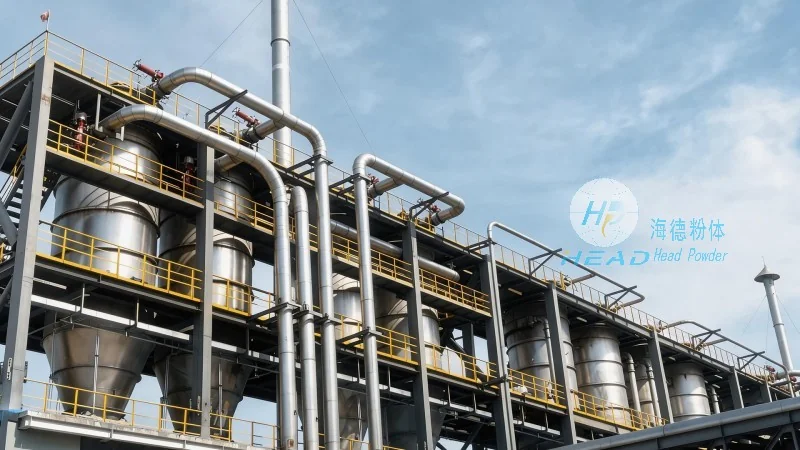
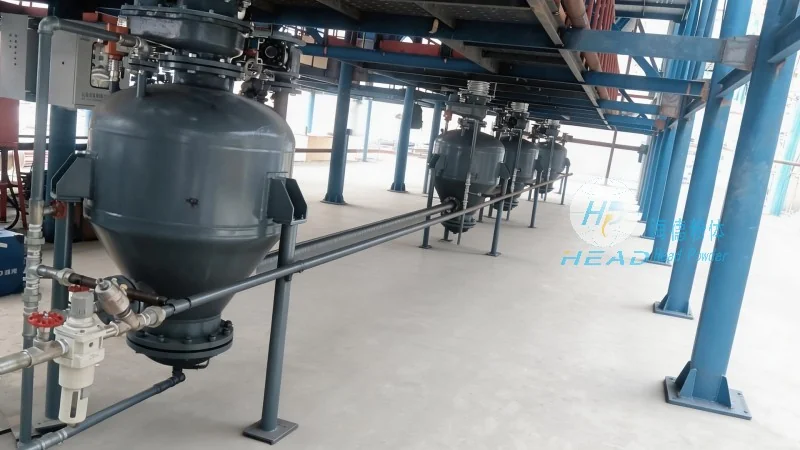
The field of pneumatic conveying for soybean grain continues to evolve with technological advancements aimed at improving efficiency, reducing costs, and enhancing sustainability. Recent developments include the integration of automation and control systems that optimize the operation of the conveying system based on real-time data. These systems can adjust air pressure and flow rates to match the varying demands of the processing line, leading to energy savings and reduced operational costs. Another trend is the use of advanced materials in pipeline construction, such as corrosion-resistant alloys and high-strength plastics, which extend the lifespan of the equipment and reduce maintenance requirements. Additionally, the adoption of digital monitoring and predictive maintenance technologies allows for proactive identification of potential issues, minimizing downtime and ensuring consistent performance. Future trends also include the exploration of green technologies, such as using renewable energy sources to power the air compressors and implementing energy recovery systems to reduce overall energy consumption. These advancements not only improve the economic viability of soybean processing operations but also contribute to environmental sustainability by reducing the carbon footprint of material handling processes. As the soybean industry continues to grow, the development of more efficient and sustainable pneumatic conveying systems will remain a key focus for engineering companies like HeadPowder, ensuring that the technology meets the evolving needs of the industry.