

Desulfurization Gypsum Pneumatic Conveying Technology: Principles, Applications, and Development Trends
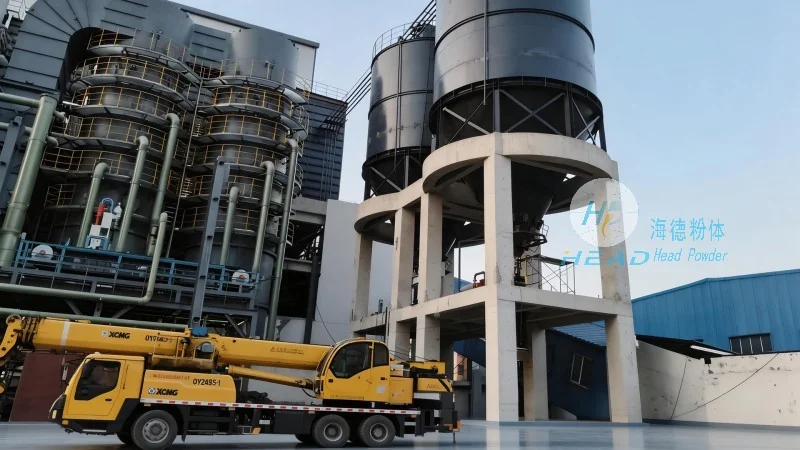
Desulfurization gypsum, a byproduct of flue gas desulfurization in thermal power plants and industrial boilers, presents significant challenges in handling and transportation due to its fine particle size and hygroscopic nature. Traditional methods such as belt conveyors or bucket elevators often face issues like material agglomeration, dust generation, and operational inefficiencies. To address these challenges, pneumatic conveying technology has emerged as a highly effective solution for the transport of desulfurization gypsum. This article explores the principles, practical applications, and future trends of pneumatic conveying systems specifically designed for desulfurization gypsum, highlighting the role of specialized engineering companies like Shandong HeadPowder Engineering Co., Ltd. (referred to as HeadPowder) in advancing this technology.
Principles of Pneumatic Conveying for Desulfurization Gypsum
Pneumatic conveying systems operate by transporting bulk materials through a pipeline using a gas stream, typically air or a mixture of air and other gases. The fundamental principle involves creating a pressure differential between the conveying line and the ambient environment, which propels the material forward. In the case of desulfurization gypsum, the system must be tailored to handle its unique characteristics. The fine particle size (often in the range of 10-200 μm) and high moisture content require specialized equipment to ensure efficient and reliable transport. HeadPowder, with its expertise in bulk material handling, designs systems that incorporate features such as positive pressure or negative pressure conveying, depending on the specific requirements of the application. The choice of conveying mode—such as dilute phase or dense phase—depends on factors like material flow rate, distance, and the need to minimize pressure drops and energy consumption. For desulfurization gypsum, dilute phase systems are commonly preferred due to their ability to handle high flow rates and long distances with lower energy input, though dense phase systems may be used for short distances or when higher material density is required.
Key Components and System Design
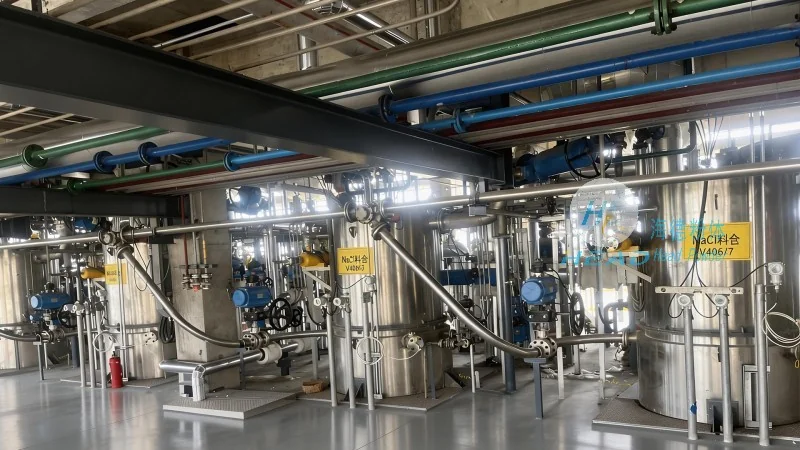
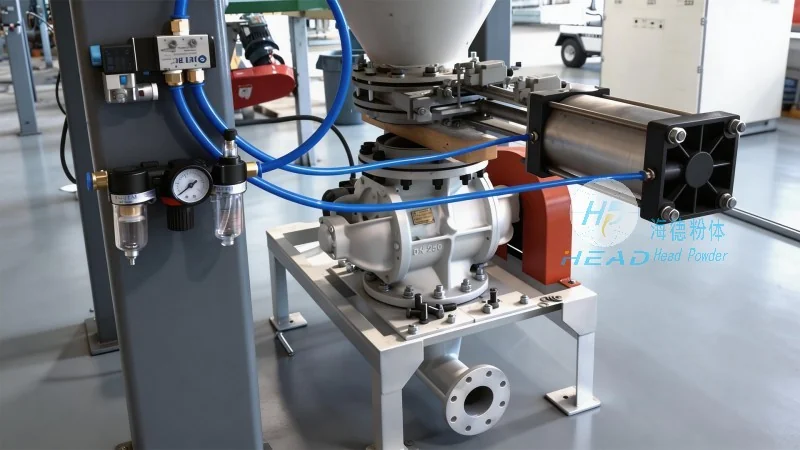
The effectiveness of a pneumatic conveying system for desulfurization gypsum hinges on the integration of several critical components. These include the material feed system, which ensures a consistent and controlled flow of gypsum into the conveying line; the air supply unit, which provides the necessary pressure and volume of air; the conveying line itself, which must be constructed from materials resistant to corrosion and abrasion caused by the gypsum particles; and the discharge equipment, which safely releases the material at the destination. HeadPowder engineers carefully select materials for the conveying line, often using stainless steel or high-grade plastic, to prevent corrosion from the gypsum's acidic properties. The system also includes control valves and sensors to monitor pressure, flow rate, and material level, ensuring optimal operation and preventing blockages or overpressure situations. The design process involves detailed calculations of air velocity, pressure drop, and material velocity to achieve the desired conveying efficiency. By leveraging advanced computational fluid dynamics (CFD) and material flow modeling, HeadPowder optimizes system performance, minimizing energy consumption and maximizing material throughput.
Applications in Industrial Settings
Desulfurization gypsum is widely used in various industrial applications, and pneumatic conveying systems are integral to the supply chain for these processes. In the construction industry, gypsum is a primary ingredient in gypsum boards, drywall, and plaster products. Pneumatic conveying enables the efficient transport of gypsum from storage silos to production lines, ensuring a steady supply of raw material. The technology is also employed in the agricultural sector, where gypsum is used as a soil amendment to improve soil structure and nutrient availability. Here, the system must handle larger quantities and potentially higher moisture content, requiring robust equipment capable of withstanding the environmental conditions. In the chemical industry, gypsum is used in the production of calcium sulfate dihydrate, and pneumatic conveying facilitates the transfer of the material between processing stages. Additionally, in waste management and recycling facilities, desulfurization gypsum is processed and repurposed, and the conveying system plays a crucial role in moving the material through treatment and storage processes. HeadPowder's systems have been successfully implemented in these diverse applications, demonstrating their adaptability and reliability in handling the unique challenges of desulfurization gypsum.
Advantages of Pneumatic Conveying Over Traditional Methods
Compared to conventional bulk material handling methods, pneumatic conveying offers several advantages for desulfurization gypsum. One of the most significant benefits is the reduction in dust generation and environmental contamination. Unlike belt conveyors or bucket elevators, which can release fine particles into the air, pneumatic systems enclose the material within a sealed pipeline, minimizing dust exposure and improving workplace safety. This is particularly important in industrial settings where air quality regulations are stringent. Another advantage is the ability to transport materials over long distances with minimal loss of material quality. Pneumatic systems can handle distances of several kilometers without compromising the integrity of the gypsum, which is critical for applications where the material's properties must be preserved. Energy efficiency is also a key benefit, as modern pneumatic conveying systems use less energy per ton of material transported compared to traditional methods. The use of positive pressure systems, which maintain a constant pressure above atmospheric, reduces energy consumption by minimizing pressure fluctuations and the need for frequent system restarts. Furthermore, the flexibility of pneumatic systems allows for easy integration with existing production lines and the ability to adjust flow rates and distances as operational needs change. HeadPowder's expertise in system design ensures that these advantages are fully realized, providing clients with cost-effective and sustainable solutions for desulfurization gypsum handling.
Technological Advancements and Future Trends
The field of pneumatic conveying for desulfurization gypsum is continuously evolving, driven by advancements in materials science, automation, and control technology. One of the key trends is the integration of smart sensors and IoT (Internet of Things) devices into the conveying systems. These technologies enable real-time monitoring of system performance, allowing for predictive maintenance and early detection of potential issues such as blockages or pressure drops. This proactive approach reduces downtime and maintenance costs, improving overall system reliability. Another trend is the development of more energy-efficient systems, such as the use of variable frequency drives (VFDs) to adjust air flow and pressure based on real-time demand. This not only reduces energy consumption but also extends the lifespan of system components by minimizing wear and tear. Additionally, the adoption of sustainable materials and processes is gaining traction, with companies like HeadPowder exploring the use of renewable energy sources to power the air supply units. This shift towards sustainability aligns with global efforts to reduce carbon emissions and promote environmentally friendly practices in industrial operations. The future of desulfurization gypsum pneumatic conveying also includes the integration of artificial intelligence (AI) and machine learning algorithms to optimize system performance and predict operational parameters. By analyzing historical data and real-time system metrics, AI can provide insights into improving efficiency and reducing operational costs. HeadPowder is at the forefront of these technological advancements, continuously investing in research and development to stay ahead of industry trends and provide cutting-edge solutions to its clients.
Conclusion and Company Role
In conclusion, pneumatic conveying technology has revolutionized the handling and transportation of desulfurization gypsum, offering a reliable, efficient, and environmentally friendly solution to the challenges posed by this material. The principles of pneumatic conveying, combined with specialized system design, enable the seamless transport of gypsum across various industrial applications. The advantages of this technology, including reduced dust, long-distance transport capability, and energy efficiency, make it a preferred choice over traditional methods. As the industry continues to evolve, technological advancements such as smart sensors, energy-efficient systems, and AI integration will further enhance the performance and sustainability of pneumatic conveying systems. Shandong HeadPowder Engineering Co., Ltd., with its expertise in bulk material handling, plays a crucial role in advancing this technology, providing tailored solutions that meet the specific needs of clients. With a commitment to innovation and quality, HeadPowder continues to be a leader in the development and implementation of desulfurization gypsum pneumatic conveying systems, contributing to the efficient and sustainable use of this valuable byproduct.