

Analysis of Soybean Meal Pneumatic Conveying Systems
When it comes to the efficient handling and transportation of soybean meal, pneumatic conveying systems have emerged as a reliable and effective solution in the industrial sector. These systems utilize air pressure to move bulk materials like soybean meal through a network of pipes, offering advantages such as reduced labor costs, improved safety, and enhanced process control. In this analysis, we delve into the key components, operational principles, and practical applications of soybean meal pneumatic conveying systems, with a focus on the expertise and solutions provided by Shandong HeadPowder Engineering Co., Ltd.
Understanding Pneumatic Conveying Technology for Soybean Meal
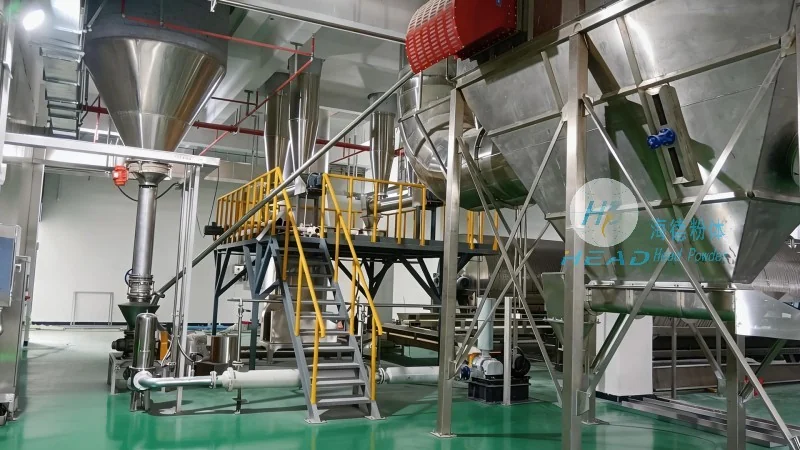
Pneumatic conveying systems operate by creating a pressure differential between the inlet and outlet of the conveying line. This differential can be achieved through either positive pressure (where air is forced into the system) or negative pressure (where air is drawn out, creating a vacuum). For soybean meal, which is a fine, dry powder, positive pressure systems are often preferred due to their ability to handle abrasive materials and maintain consistent flow rates. The system typically consists of a hopper for material storage, a conveyor line (often made of stainless steel or other corrosion-resistant materials), a blower or compressor to generate the air pressure, and a receiver or discharge point where the material is deposited.
Key Components of a Soybean Meal Pneumatic Conveying System
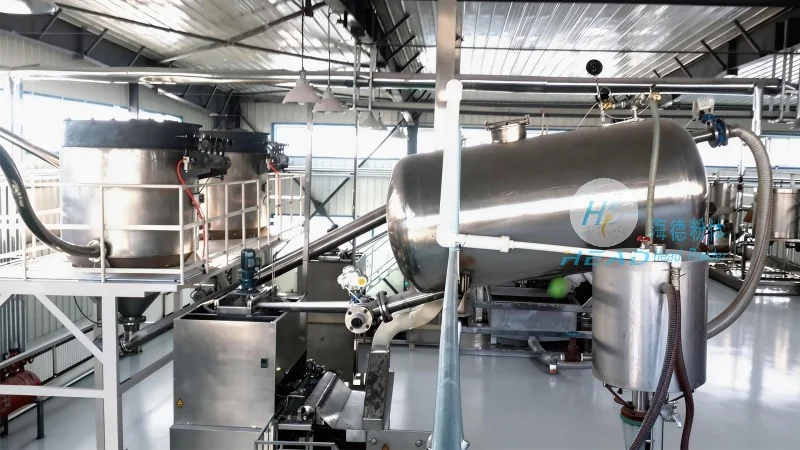
At the core of any pneumatic conveying system are several critical components that work in tandem to ensure smooth operation. The hopper serves as the initial storage and feeding unit, equipped with a feeder (such as a rotary valve or screw feeder) to regulate the flow of soybean meal into the conveyor line. The feeder is crucial for maintaining a consistent material feed rate, preventing blockages, and ensuring that the system operates at optimal efficiency. The conveyor line itself is designed to withstand the abrasive nature of soybean meal, with smooth interior surfaces to minimize material degradation and clogging. Blowers or compressors are responsible for generating the necessary air pressure, with options ranging from rotary lobe blowers to centrifugal compressors, depending on the system's capacity and pressure requirements. Finally, the receiver or discharge point is where the soybean meal is collected, often equipped with a dust collection system to control airborne particles and maintain a clean working environment.
Operational Advantages of Pneumatic Conveying for Soybean Meal
Compared to traditional mechanical conveying methods like belt conveyors or bucket elevators, pneumatic conveying offers several distinct advantages for soybean meal handling. One of the most significant benefits is the reduction in labor costs, as automated systems minimize the need for manual handling and reduce the risk of workplace accidents. Additionally, pneumatic systems are more flexible in terms of layout, allowing for the integration of multiple conveying lines and the ability to reconfigure the system as production needs change. The enclosed nature of the system also helps to contain dust and prevent contamination, which is particularly important for food-grade products like soybean meal. Furthermore, by maintaining consistent air flow and material feed rates, pneumatic conveying systems can enhance the overall quality of the soybean meal, reducing the risk of agglomeration or degradation during transport.
Customization and Scalability: Tailoring Systems to Specific Needs
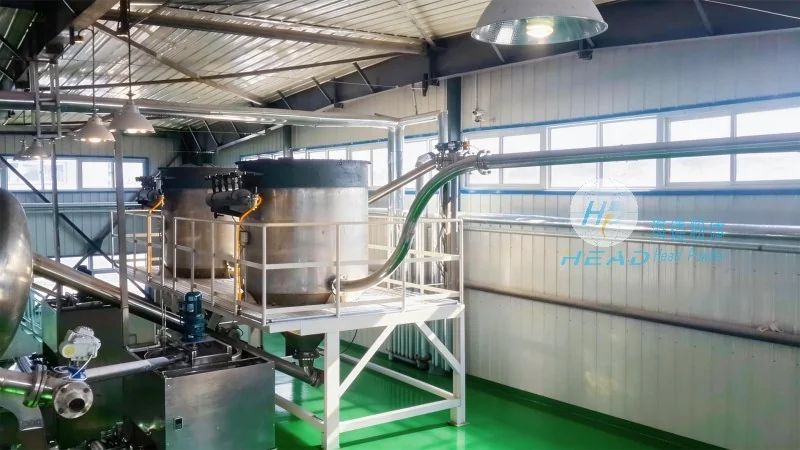
Shandong HeadPowder Engineering Co., Ltd. specializes in designing and manufacturing customized pneumatic conveying systems tailored to the unique requirements of soybean meal processing facilities. The company's approach involves a thorough analysis of the client's production capacity, material characteristics, and operational constraints to develop a system that maximizes efficiency and minimizes downtime. Whether for small-scale operations or large industrial plants, HeadPowder's solutions can be scaled to meet varying demands, with options for both positive and negative pressure systems, as well as different conveyor line configurations. The company's expertise in material handling and pneumatic technology ensures that each system is optimized for the specific properties of soybean meal, such as its fine particle size and potential for dust generation.
Installation and Maintenance Considerations
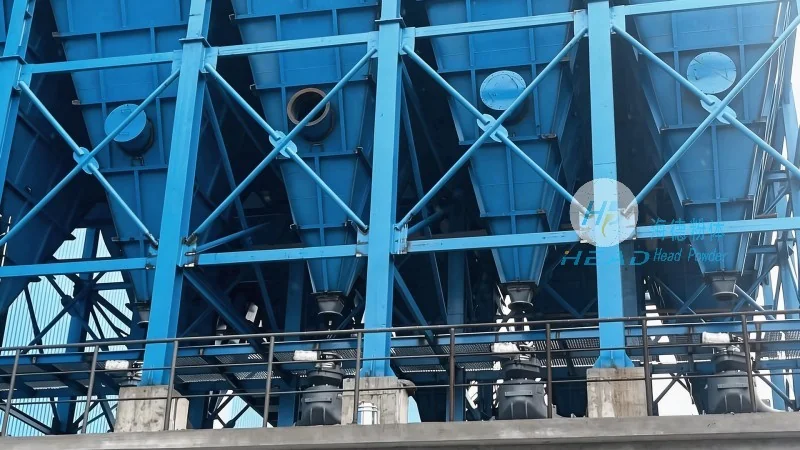
Proper installation and regular maintenance are essential for the long-term performance and reliability of a soybean meal pneumatic conveying system. During installation, it is crucial to ensure that all components are properly aligned and secured, with attention paid to the quality of the conveyor line and the efficiency of the blower or compressor. Regular maintenance includes checking for wear and tear on components like the feeder and conveyor line, cleaning the system to remove accumulated dust, and monitoring air pressure and flow rates to detect any potential issues early. By adhering to a proactive maintenance schedule, facilities can extend the lifespan of their equipment and avoid costly downtime. Shandong HeadPowder Engineering Co., Ltd. provides comprehensive support for installation and maintenance, offering technical guidance and spare parts to ensure that clients can keep their systems operating at peak performance.
Conclusion: The Role of Pneumatic Conveying in Modern Soybean Meal Processing
In conclusion, pneumatic conveying systems represent a sophisticated and efficient solution for the transportation of soybean meal in industrial settings. By leveraging the principles of air pressure and material flow, these systems offer significant advantages over traditional conveying methods, including improved safety, reduced labor costs, and enhanced product quality. With its expertise in pneumatic technology and commitment to customer satisfaction, Shandong HeadPowder Engineering Co., Ltd. plays a vital role in providing tailored solutions that meet the evolving needs of the soybean meal processing industry. As the demand for efficient and reliable material handling continues to grow, pneumatic conveying systems will remain a cornerstone of modern industrial operations, ensuring that soybean meal is transported safely and effectively from production to distribution.