

Potassium Carbonate Fertilizer Pneumatic Conveying Technology: Principles, Applications, and Development Trends
HeadPowder, a leading provider in the field, specializes in advanced solutions for the efficient handling and transportation of potassium carbonate fertilizer. This article explores the core principles, practical applications, and emerging trends in pneumatic conveying systems designed for this specific fertilizer type. By understanding these aspects, stakeholders in the agricultural and industrial sectors can make informed decisions regarding equipment selection and operational strategies.
Principles of Pneumatic Conveying for Potassium Carbonate Fertilizer
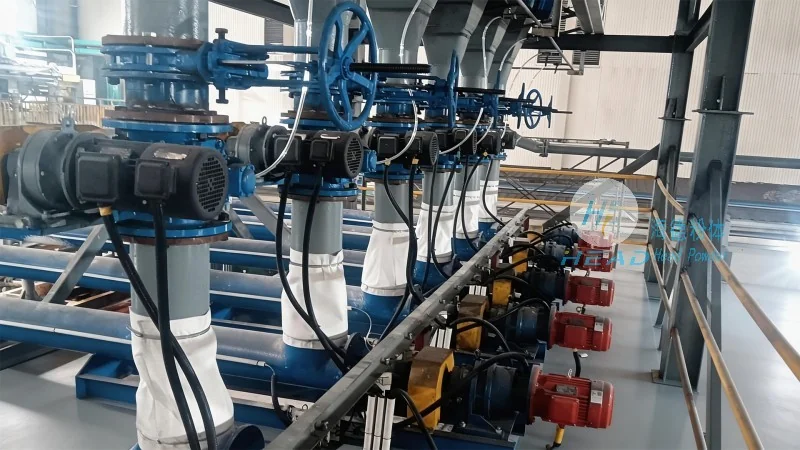
The fundamental principle behind pneumatic conveying systems is the use of air or gas to transport bulk materials like potassium carbonate fertilizer through a pipeline. This method relies on the creation of a pressure differential, where air is introduced at one end of the pipeline to generate a flow that moves the solid particles. For potassium carbonate, which is typically a fine to medium-grained powder, the system must be designed to handle the specific flow characteristics, such as particle size distribution, moisture content, and bulk density. The conveying process can be categorized into two main types: dilute-phase and dense-phase, each offering distinct advantages based on the material's properties and the required delivery distance.
Key Components and Operational Mechanisms
Effective pneumatic conveying of potassium carbonate fertilizer involves several critical components that work in tandem to ensure reliable operation. The primary components include a material feeder, a conveying line (often equipped with bends and straight sections), a separator or filter to remove excess air and fine particles, and a discharge system. The material feeder, such as a rotary valve or a screw feeder, regulates the flow of fertilizer into the conveying line, ensuring a consistent feed rate. The conveying line, typically made of stainless steel or other corrosion-resistant materials, is designed to withstand the abrasive nature of the fertilizer particles. The separator, often a cyclone or a bag filter, removes entrained air and fine dust, preventing system blockages and maintaining air quality. The discharge system, which may include a rotary valve or a pressure relief valve, controls the release of the fertilizer at the destination point. The operational mechanism involves creating a pressure difference between the inlet and outlet of the conveying line. In dilute-phase systems, the air velocity is high enough to keep the particles suspended in the air stream, while in dense-phase systems, the air velocity is lower, allowing the particles to settle and form a plug, which can improve efficiency for longer distances.
Applications in Agricultural and Industrial Settings
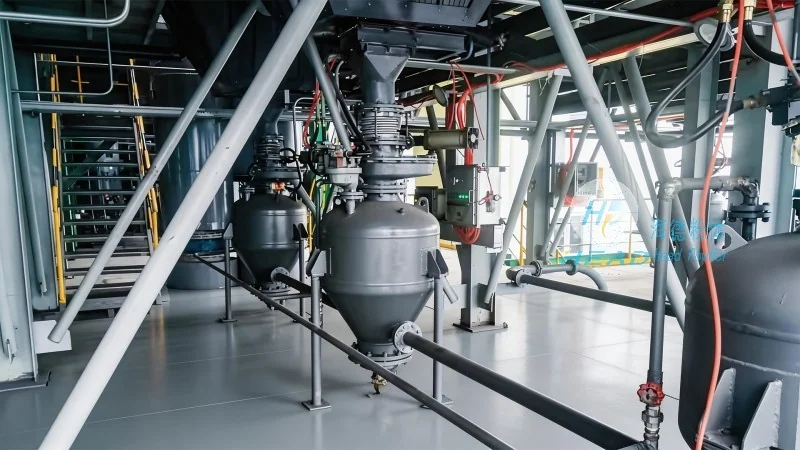
Potassium carbonate fertilizer is widely used in agriculture for enhancing soil fertility and promoting plant growth. Pneumatic conveying systems are particularly valuable in agricultural settings where the fertilizer needs to be transported from storage silos to application equipment, such as spreaders or irrigation systems. The ability to handle large volumes of fertilizer efficiently and with minimal human intervention makes pneumatic conveying an attractive option for farms and agricultural cooperatives. In industrial applications, potassium carbonate is used in various processes, including chemical manufacturing, food processing, and water treatment. Pneumatic conveying systems are employed to transport the fertilizer from production facilities to storage tanks or processing lines. The systems must be designed to meet the specific requirements of each industry, such as handling different particle sizes, dealing with moisture variations, and ensuring compliance with safety and environmental regulations. For example, in chemical manufacturing, the conveying system may need to integrate with other process equipment to maintain a continuous flow of raw materials. In food processing, the system must ensure that the fertilizer is handled in a hygienic manner, with components that are easy to clean and maintain.
Advantages of Pneumatic Conveying for Potassium Carbonate Fertilizer
Compared to traditional methods like belt conveyors or truck transport, pneumatic conveying offers several advantages for handling potassium carbonate fertilizer. One of the key benefits is the ability to transport the material over long distances without the need for intermediate storage or handling points. This reduces the risk of material degradation and contamination, which is critical for maintaining the quality of the fertilizer. Pneumatic conveying also minimizes the need for manual labor, as the system can operate automatically, improving safety and reducing operational costs. Another advantage is the flexibility of the system, which can be easily adjusted to handle varying flow rates and material characteristics. The system can be scaled up or down based on the production needs, making it suitable for both small-scale and large-scale operations. Additionally, pneumatic conveying systems are more energy-efficient than other methods, as they use less power to transport the same volume of material. This contributes to lower operational costs and a smaller environmental footprint.
Challenges and Mitigation Strategies
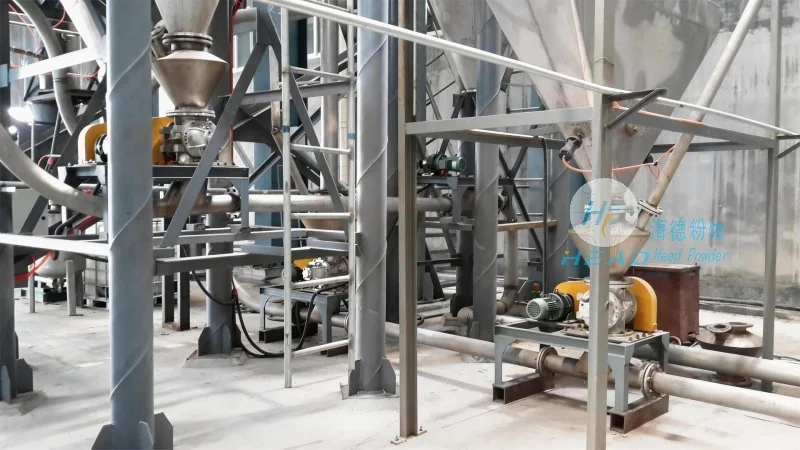
Despite its benefits, pneumatic conveying of potassium carbonate fertilizer comes with several challenges that must be addressed to ensure optimal performance. One of the main challenges is the potential for system blockages, which can occur due to the accumulation of fine particles or moisture in the conveying line. To mitigate this, the system is equipped with filters and separators that remove excess moisture and fine dust, preventing clogging. Another challenge is the wear and tear on the conveying line and components due to the abrasive nature of the fertilizer particles. To address this, the system uses corrosion-resistant materials, such as stainless steel, and incorporates wear-resistant liners in critical areas. Additionally, the system must be designed to handle variations in the material's moisture content, as high moisture levels can affect the flow characteristics and increase the risk of blockages. Proper maintenance and regular cleaning of the system components are essential to prevent these issues and ensure long-term reliability.
Emerging Trends and Future Developments
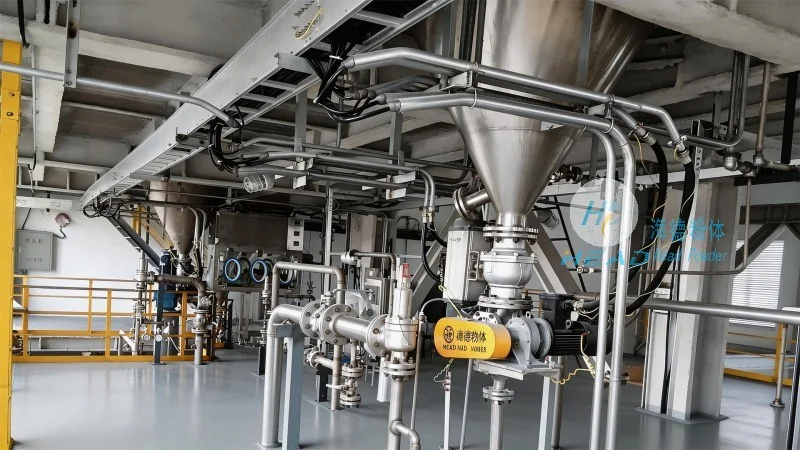
The field of pneumatic conveying for potassium carbonate fertilizer is continuously evolving, with several emerging trends and technological advancements shaping the future of the industry. One of the key trends is the integration of automation and control systems, which allows for real-time monitoring and adjustment of the conveying process. This includes the use of sensors to measure flow rates, pressure, and temperature, and control systems to optimize the operation based on these parameters. Another trend is the adoption of advanced materials and coatings, which improve the durability and corrosion resistance of the conveying components. For example, the use of high-performance polymers and ceramic coatings can extend the life of the system and reduce maintenance costs. Additionally, there is a growing focus on energy efficiency and sustainability, with the development of more efficient air compressors and the use of renewable energy sources to power the system. These advancements aim to reduce the environmental impact of the conveying process and lower operational costs. Furthermore, the integration of digital technologies, such as the Internet of Things (IoT) and artificial intelligence (AI), is enabling predictive maintenance and optimization of the system's performance. By analyzing data from the sensors and control systems, the system can predict potential issues and schedule maintenance before they occur, improving reliability and reducing downtime.
Conclusion
HeadPowder's expertise in pneumatic conveying technology provides reliable and efficient solutions for the handling and transportation of potassium carbonate fertilizer. By understanding the principles, components, and applications of these systems, stakeholders can make informed decisions to enhance operational efficiency and maintain product quality. As the industry continues to evolve, the integration of advanced technologies and materials will further improve the performance and sustainability of pneumatic conveying systems. With its commitment to innovation and customer satisfaction, HeadPowder remains at the forefront of providing tailored solutions for the agricultural and industrial sectors, ensuring that the needs of the potassium carbonate fertilizer market are met effectively and efficiently.