

Working Principle and Features of Kaolin Powder Conveyors
For industrial applications that require the efficient and reliable transport of kaolin powder, the design and operation of specialized equipment play a crucial role. This article provides an in-depth exploration of the working principle and key features of kaolin powder conveyors, focusing on the technology that enables seamless material handling in various production environments.
Working Principle of Kaolin Powder Conveyors
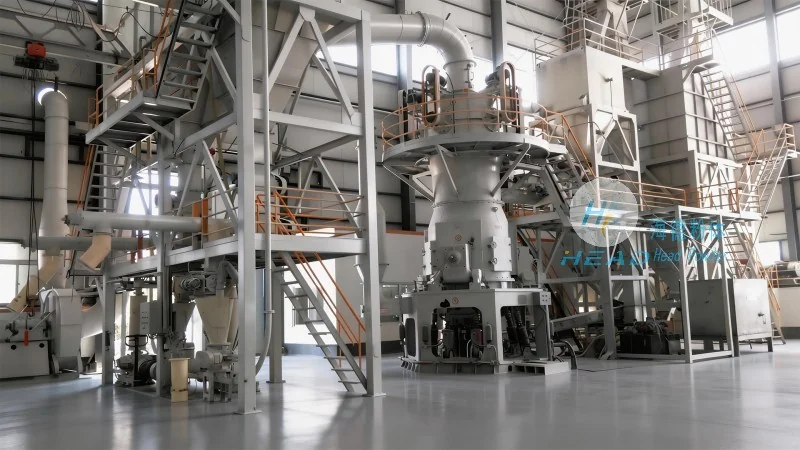
The working principle of a kaolin powder conveyor typically revolves around the method of material transport and the system's control mechanisms. Commonly, these systems employ either mechanical or pneumatic (air-driven) technologies to move fine powders like kaolin. Mechanical conveyors, such as screw conveyors or belt conveyors, utilize rotating components to push or pull the powder along a designated path. In contrast, pneumatic conveyors, including positive pressure and negative pressure systems, use compressed air to create a flow that carries the powder through a pipeline network.
Positive pressure systems generate air pressure within the conveyor line, pushing the powder forward through the pipeline. This method is effective for short to medium distances and is suitable for conveying dry, non-abrasive powders like kaolin. Negative pressure systems, on the other hand, create a vacuum in the line, drawing the powder into the system. This approach is often preferred for longer distances or when handling materials that are prone to dust generation, as it minimizes the risk of dust escape and ensures a cleaner operating environment.
Regardless of the specific technology used, the core principle remains consistent: the conveyor system must maintain a consistent flow rate, prevent material degradation, and ensure minimal product loss during transport. Advanced control systems, often integrated with sensors and feedback mechanisms, monitor parameters such as pressure, flow rate, and temperature to optimize performance and maintain product quality.
Key Features of Kaolin Powder Conveyors
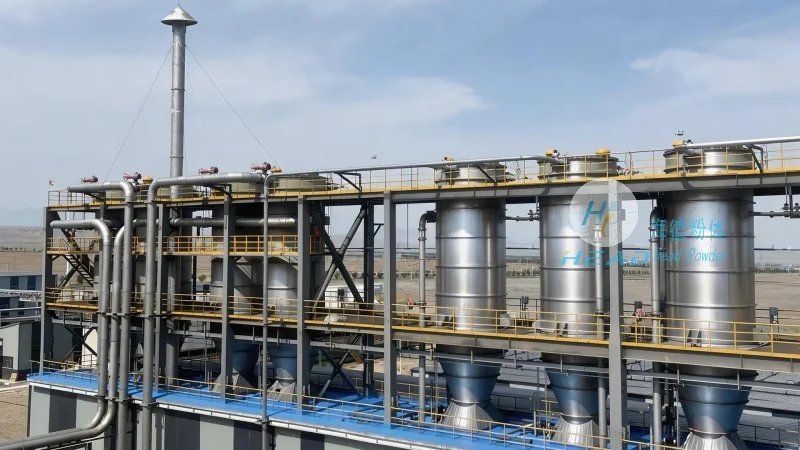
When evaluating kaolin powder conveyors, several key features distinguish high-quality equipment from standard solutions. These features are designed to enhance efficiency, reliability, and safety in industrial settings.
Firstly, efficiency and capacity are critical. Modern conveyors are engineered to handle high volumes of kaolin powder while maintaining consistent flow rates. This ensures that production lines operate smoothly without bottlenecks, reducing downtime and increasing overall productivity. The design of the conveyor components, such as the diameter of screw flights or the size of the air nozzle in pneumatic systems, is optimized to minimize friction and maximize material throughput.
Secondly, environmental friendliness and dust control are essential features, especially when dealing with fine powders like kaolin. Many conveyors incorporate sealed systems and dust collection mechanisms to prevent airborne particles from contaminating the workspace or the product. This not only improves workplace safety but also complies with environmental regulations, making the equipment suitable for a wide range of industrial applications.
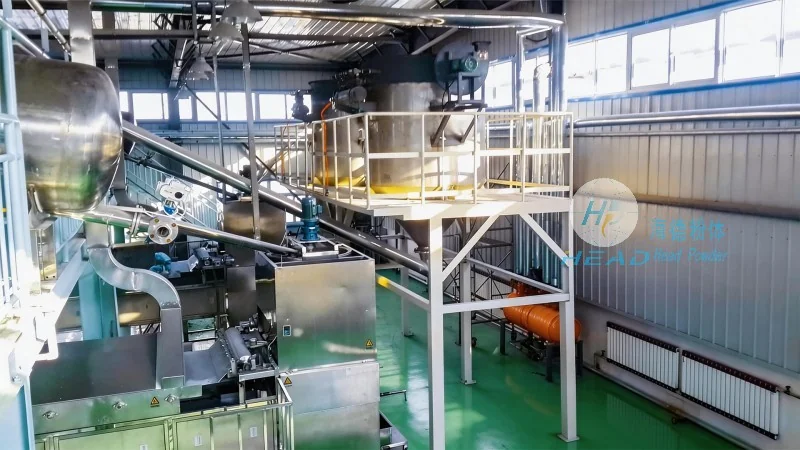
Thirdly, durability and material compatibility are important considerations. Kaolin powder can be abrasive, and the conveyor components must be constructed from materials that resist wear and corrosion. Stainless steel, high-grade plastics, and specialized coatings are commonly used to ensure the longevity of the equipment and prevent contamination of the powder. Additionally, the system's design should accommodate the unique properties of kaolin, such as its fine particle size and tendency to agglomerate, to maintain consistent performance.
Fourthly, flexibility and adaptability are valuable features that allow the conveyor to be integrated into existing production lines or reconfigured for different applications. Modular designs enable easy expansion or modification of the system, while adjustable components, such as variable speed drives or changeable pipe lengths, provide versatility in handling varying material volumes or processing requirements.
Fifthly, energy efficiency is a growing concern in industrial operations. Advanced conveyor systems incorporate energy-saving technologies, such as variable frequency drives (VFDs) that adjust motor speed based on the load, reducing energy consumption without compromising performance. This not only lowers operational costs but also aligns with sustainability goals, making the equipment attractive for environmentally conscious businesses.
Company Information and Application
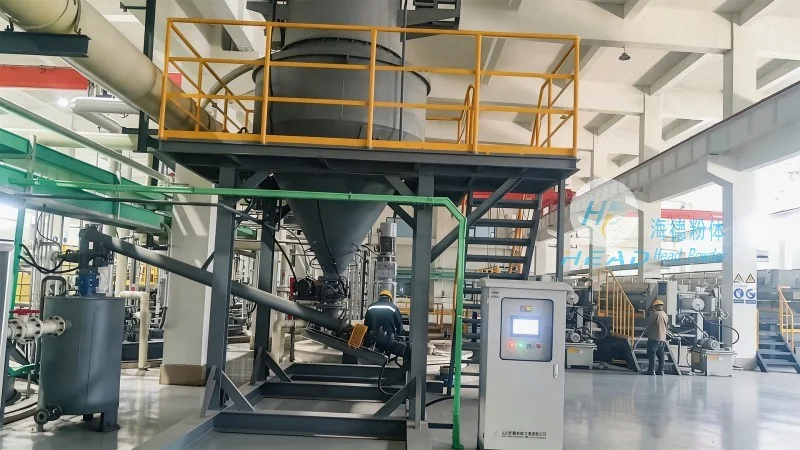
Shandong HeadPowder Engineering Co., Ltd., a leading manufacturer based in China, specializes in the design and production of high-quality kaolin powder conveyors. With a strong commitment to innovation and customer satisfaction, the company has established itself as a trusted partner in the powder handling industry. HeadPowder's conveyors are engineered to meet the specific needs of various industries, including ceramics, paper, and chemical manufacturing, where kaolin is a key raw material.
The company's headquarters is located in Shandong, China, where state-of-the-art manufacturing facilities and research and development centers are situated. This location allows for close collaboration with clients and rapid prototyping of customized solutions. HeadPowder's team of engineers and technicians brings extensive experience in powder technology, ensuring that each conveyor system is tailored to the unique requirements of the application, whether it involves high-volume production or specialized material handling.
By combining advanced engineering with rigorous quality control, HeadPowder delivers conveyors that are not only efficient and reliable but also cost-effective in the long run. The company's focus on customer support and after-sales service ensures that clients receive comprehensive assistance throughout the equipment's lifecycle, from installation and commissioning to maintenance and troubleshooting.