

[Magnesium Hydroxide Pneumatic Conveying Technology: Principles, Applications, and Development Trends]
HeadPowder, a leading provider of advanced material handling solutions, specializes in the development and implementation of magnesium hydroxide pneumatic conveying systems. This technology represents a critical advancement in the efficient transport of magnesium hydroxide, a widely used chemical compound in various industrial applications. The following sections will explore the fundamental principles of pneumatic conveying, the practical applications of this technology, and the emerging trends that are shaping its future development.
Principles of Magnesium Hydroxide Pneumatic Conveying
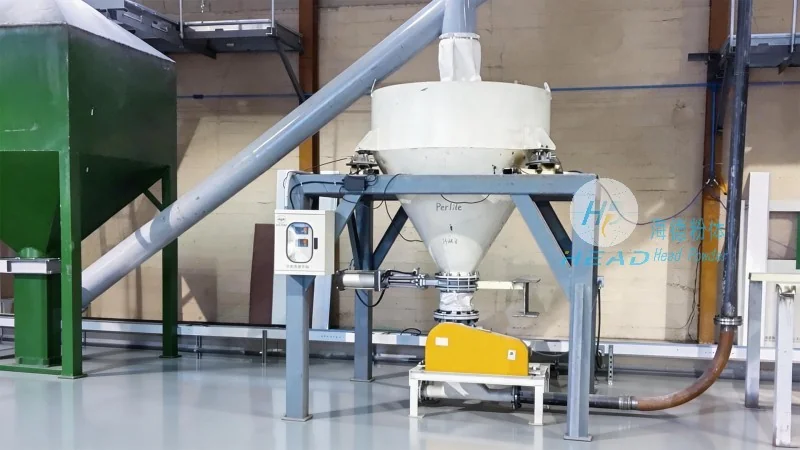
The core principle of pneumatic conveying involves the use of air or other gases to transport solid materials through a pipeline. In the case of magnesium hydroxide, which is typically a fine powder with specific physical properties, the system relies on a combination of pressure and velocity to move the material from the source to the destination. There are two primary types of pneumatic conveying systems: dilute-phase and dense-phase. Dilute-phase systems operate at higher velocities, typically 20-30 meters per second, and are suitable for low to medium particle loads. Dense-phase systems, on the other hand, use lower velocities and higher pressure to transport material in a more compact form, reducing the risk of clogging and ensuring consistent flow. The choice between these systems depends on factors such as the particle size, moisture content, and the distance over which the material needs to be conveyed. For magnesium hydroxide, which is often a fine powder with a relatively low bulk density, dilute-phase systems are commonly employed due to their efficiency and ability to handle high volumes. The system typically consists of a hopper, a feeder, a conveying line, and a receiver. The hopper stores the magnesium hydroxide, while the feeder controls the flow rate. The conveying line, often made of stainless steel to prevent corrosion, transports the material using compressed air. The receiver collects the material at the destination. The air flow is carefully controlled to maintain a stable and consistent transport process, ensuring that the magnesium hydroxide reaches its destination without degradation or loss of quality.
Applications of Magnesium Hydroxide Pneumatic Conveying
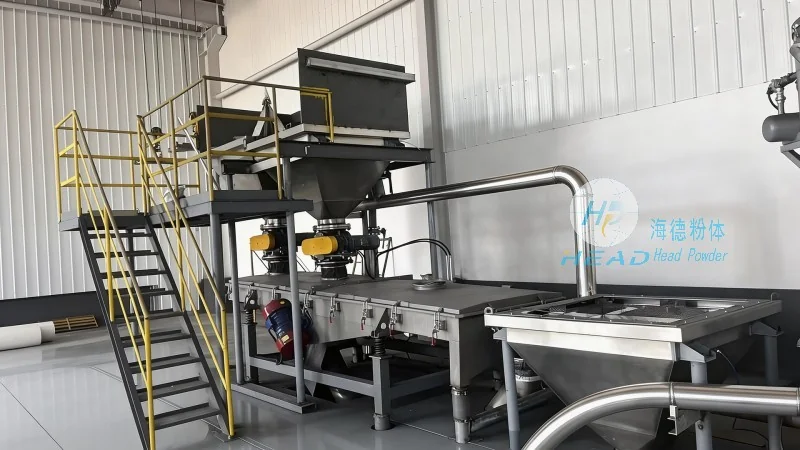
Magnesium hydroxide pneumatic conveying technology is widely used in various industries due to its ability to handle fine powders efficiently and safely. One of the primary applications is in the chemical industry, where magnesium hydroxide is used as a flame retardant in plastics and rubber products. The ability to transport this material in a controlled manner is crucial for maintaining the quality of the final product. In the pharmaceutical industry, magnesium hydroxide is used as an antacid and is often mixed with other ingredients before being processed into tablets or capsules. The pneumatic conveying system ensures that the material is mixed uniformly and transported without contamination, which is essential for pharmaceutical applications. The construction industry also benefits from this technology, as magnesium hydroxide is used in the production of building materials such as cement and concrete additives. The ability to convey the material to different parts of the production facility without the need for manual handling reduces labor costs and improves safety. Additionally, in the environmental sector, magnesium hydroxide is used for neutralizing acidic waste and is often transported to treatment facilities using pneumatic conveying systems. The technology allows for the safe and efficient handling of this material, which is critical for environmental compliance. HeadPowder's expertise in designing and implementing these systems has enabled them to serve a wide range of industries, providing customized solutions that meet the specific needs of each client.
Development Trends in Magnesium Hydroxide Pneumatic Conveying
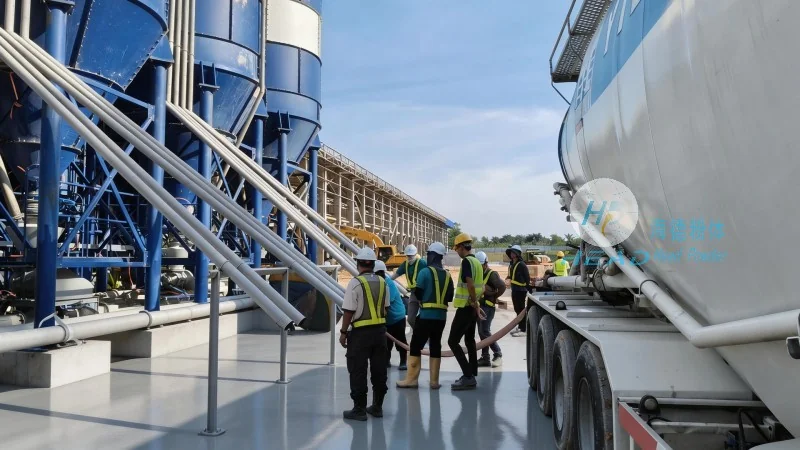
The field of magnesium hydroxide pneumatic conveying is continuously evolving, with several trends shaping its future. One of the key trends is the increasing focus on energy efficiency. Modern systems are designed to minimize energy consumption while maintaining high transport efficiency. This is achieved through the use of advanced control systems that optimize air pressure and flow rates based on real-time conditions. Another trend is the integration of automation and digitalization. Many new systems now include sensors and data analytics to monitor performance, detect issues, and predict maintenance needs. This not only improves operational efficiency but also reduces downtime and maintenance costs. The use of advanced materials in the construction of conveying lines is another trend. Stainless steel is still the most common material due to its corrosion resistance, but newer materials such as high-performance polymers are being explored for specific applications where weight and cost are critical factors. Additionally, there is a growing emphasis on sustainability and environmental impact. Companies are developing systems that reduce emissions and waste, such as using recycled air or implementing closed-loop systems. These developments are driven by regulatory requirements and the increasing awareness of environmental responsibility among industry stakeholders. HeadPowder is at the forefront of these trends, continuously investing in research and development to enhance the performance and sustainability of their pneumatic conveying systems. The company's commitment to innovation ensures that they remain a leader in the field, providing cutting-edge solutions to their clients.
Conclusion
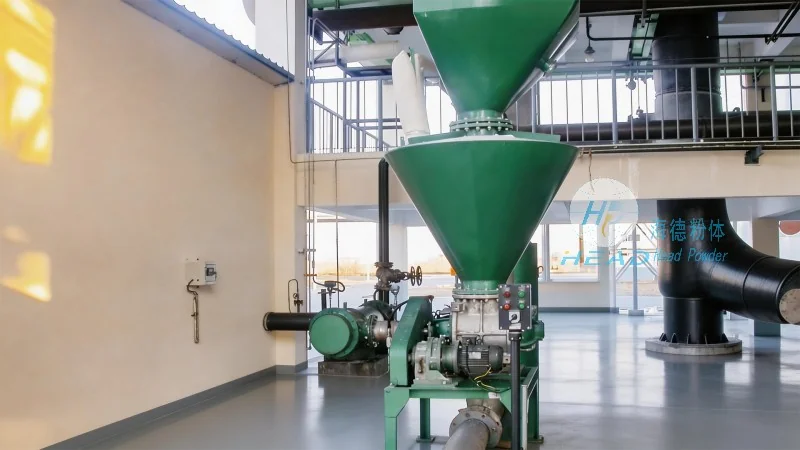
Magnesium hydroxide pneumatic conveying technology has become an indispensable part of modern industrial operations, offering significant advantages in terms of efficiency, safety, and cost-effectiveness. The principles of this technology, combined with its diverse applications, make it a versatile solution for handling magnesium hydroxide in various industries. As the technology continues to evolve, with a focus on energy efficiency, automation, and sustainability, it is poised to play an even more important role in the future of material handling. HeadPowder, with its expertise and commitment to innovation, is well-positioned to meet the evolving needs of the industry, providing reliable and advanced solutions for the efficient transport of magnesium hydroxide.