

Working Principle and Features of Calcium Hydroxide Powder Conveyors
When it comes to the efficient and reliable handling of calcium hydroxide powder, the choice of equipment plays a crucial role in ensuring smooth operations and maintaining product integrity. The calcium hydroxide powder conveyor, a specialized piece of machinery designed for this purpose, offers a solution that combines functionality with durability. This article delves into the working principle and key features of such conveyors, providing insights into how they operate and why they are essential in industrial applications.
Understanding the Working Principle of Calcium Hydroxide Powder Conveyors
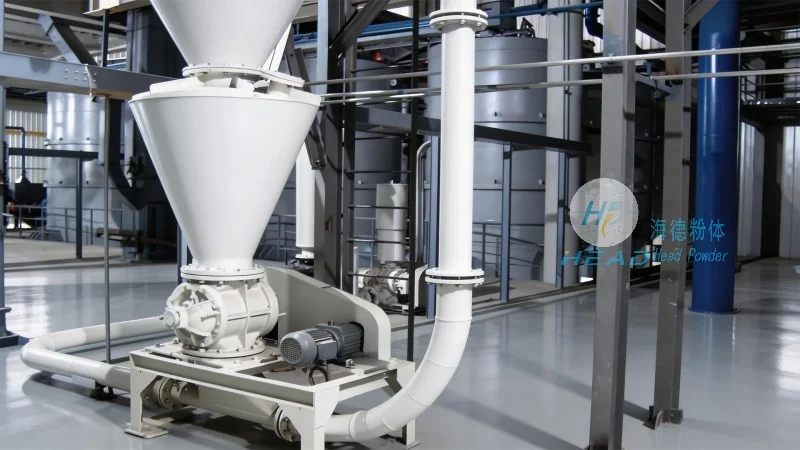
The working principle of a calcium hydroxide powder conveyor is centered around the efficient transport of fine powders from one location to another. These systems typically utilize a combination of mechanical components, such as screw conveyors, pneumatic conveyors, or bucket elevators, depending on the specific requirements of the application. The primary goal is to move the powder with minimal degradation, ensuring that the material remains in its original state without clumping or degradation.
At the core of the conveyor system is the feeding mechanism, which introduces the calcium hydroxide powder into the transport path. This can be achieved through a hopper or a feeder that controls the flow rate, preventing overloading and ensuring consistent material movement. The conveyor itself then uses rotational motion or air pressure to move the powder along the designated route. For example, a screw conveyor employs a rotating helical screw to push the powder forward, while a pneumatic conveyor uses compressed air to create a flow of air that carries the powder particles through a pipeline.
Control systems are integral to the operation, allowing operators to adjust parameters like speed, pressure, and flow rate to optimize performance. Sensors and monitoring devices may be integrated to detect any blockages or variations in material flow, triggering alerts or automatic adjustments to maintain efficiency. This level of control ensures that the conveyor operates reliably, even with varying powder characteristics or production demands.
Key Features of Calcium Hydroxide Powder Conveyors
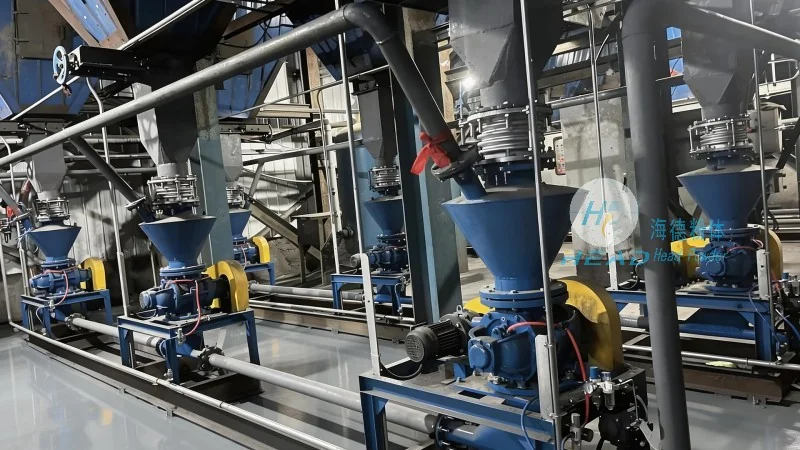
Several key features distinguish calcium hydroxide powder conveyors from other types of handling equipment, making them ideal for this specific application. First, the material construction is designed to resist corrosion and wear, as calcium hydroxide can be abrasive and may contain moisture that could lead to rust or degradation of standard metal components. High-quality materials, such as stainless steel or specialized alloys, are commonly used to ensure longevity and maintain product purity.
Another critical feature is the ability to handle fine powders without clogging or bridging. The design of the conveyor, including the shape of the screw or the diameter of the air ducts, is optimized to prevent particles from sticking together or accumulating in the system. This is particularly important for calcium hydroxide, which can have a tendency to clump due to its hygroscopic nature. Specialized coatings or anti-stick surfaces may be applied to internal components to further enhance flow characteristics.
Hygiene and cleanliness are also paramount in industrial settings, especially when dealing with materials used in food or pharmaceutical applications. Calcium hydroxide powder conveyors are often designed with easy-to-clean surfaces and removable parts, allowing for thorough sanitation between batches. This helps maintain compliance with regulatory standards and ensures that the product remains free from contaminants.
Benefits of Using Calcium Hydroxide Powder Conveyors
The adoption of calcium hydroxide powder conveyors brings numerous benefits to industrial operations. By streamlining the material handling process, these systems reduce labor costs and improve overall efficiency. The consistent and controlled transport of powder minimizes waste and ensures that the material reaches its destination in the correct form, avoiding issues like clogging or product degradation.
Furthermore, the durability and reliability of these conveyors contribute to lower maintenance costs over time. With proper maintenance and regular inspections, the equipment can operate for extended periods without significant downtime. This stability is crucial for maintaining production schedules and meeting customer demands.
The ability to handle varying powder characteristics, such as moisture content or particle size, makes calcium hydroxide powder conveyors versatile. They can be adapted to different production scales, from small-scale laboratory applications to large industrial facilities, providing flexibility in operation. This adaptability is a significant advantage for companies that may need to adjust their production processes or expand their operations.
Conclusion
In conclusion, calcium hydroxide powder conveyors are essential equipment for industries dealing with this specific material. Understanding their working principle and key features is vital for selecting the right system for a particular application. The combination of efficient transport, durability, and adaptability makes these conveyors a reliable choice for maintaining productivity and product quality. As a leading provider in this field, Shandong HeadPowder Engineering Co., Ltd. specializes in designing and manufacturing such equipment, ensuring that clients receive high-quality solutions tailored to their specific needs. With a focus on innovation and customer satisfaction, the company continues to support industrial operations by providing efficient and reliable powder handling solutions.