When it comes to the efficient and reliable handling of sodium fluorosilicate powder, the specialized equipment designed for this purpose plays a crucial role. This article will delve into the working principle and key features of the sodium fluorosilicate powder conveyor, providing insights into how such machinery operates and the advantages it offers in industrial applications.
Introduction to Sodium Fluorosilicate Powder Conveyors
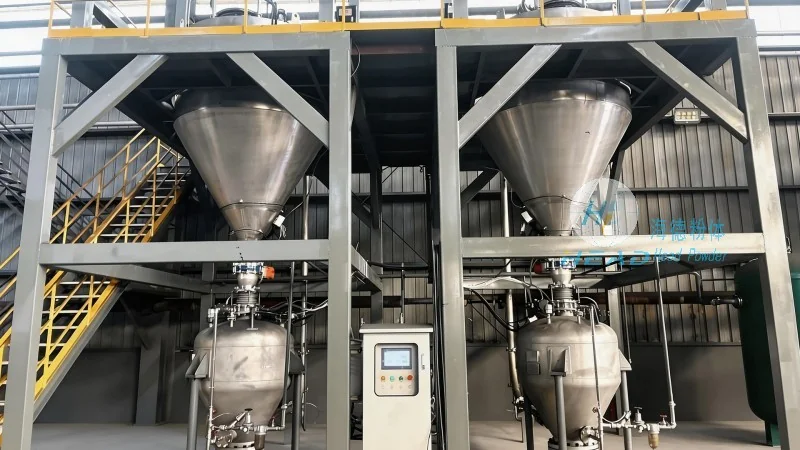
Sodium fluorosilicate, a white crystalline powder commonly used in various industrial processes, requires specialized handling equipment to ensure safe and efficient transport. The sodium fluorosilicate powder conveyor is engineered to address the unique challenges associated with this material, such as its potential to cause dust, its reactivity, and the need for precise control during transportation. As a leading manufacturer in this field, Shandong HeadPowder Engineering Co., Ltd. (hereinafter referred to as HeadPowder) has developed advanced conveyor systems tailored to meet the demands of sodium fluorosilicate processing.
The Working Principle of Sodium Fluorosilicate Powder Conveyors
The core working principle of a sodium fluorosilicate powder conveyor involves the use of mechanical components to move the powder from one location to another. Typically, these conveyors employ a combination of mechanisms, including screw conveyors, belt conveyors, or pneumatic systems, depending on the specific application requirements. The process begins with the material being fed into the conveyor system, where it is then transported through a sealed or enclosed channel to prevent dust dispersion and ensure environmental safety. The conveyor's design incorporates features like airtight seals, dust collection systems, and material flow control devices to maintain the integrity of the sodium fluorosilicate powder and prevent contamination.
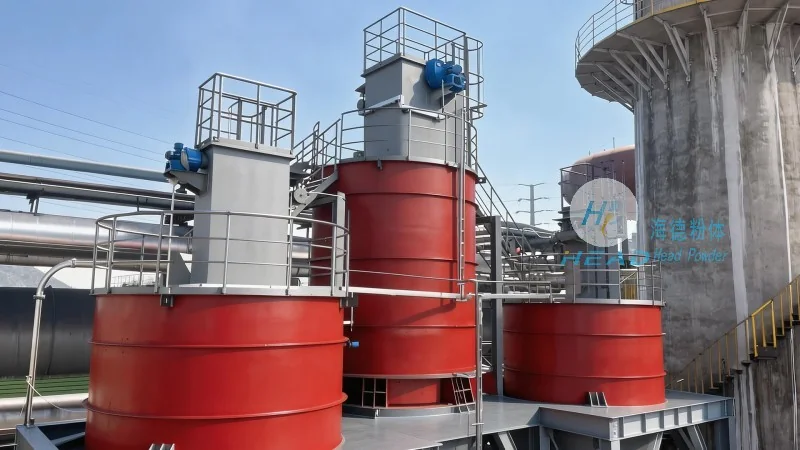
For instance, a screw conveyor, which is widely used in powder handling, operates by rotating a helical screw within a trough. As the screw rotates, it pushes the powder forward along the trough, ensuring a continuous and controlled flow. This mechanism is particularly effective for sodium fluorosilicate because it minimizes the risk of material degradation and provides consistent transport speeds. Additionally, the conveyor may include adjustable speed controls and material feed mechanisms to adapt to varying production volumes and material characteristics. The entire system is designed to operate under controlled conditions, with temperature and humidity monitoring to maintain the quality of the sodium fluorosilicate powder during transit.
Key Features of Sodium Fluorosilicate Powder Conveyors
The features of sodium fluorosilicate powder conveyors are tailored to address the specific needs of handling this chemical, emphasizing safety, efficiency, and durability. One of the primary features is the use of corrosion-resistant materials, such as stainless steel or specialized coatings, to prevent the interaction between the conveyor components and the sodium fluorosilicate powder. This is critical because sodium fluorosilicate can be reactive and may cause corrosion if not properly managed. The equipment also incorporates dust suppression and containment systems, including enclosed housings and integrated dust collection units, to minimize environmental impact and ensure compliance with safety regulations.
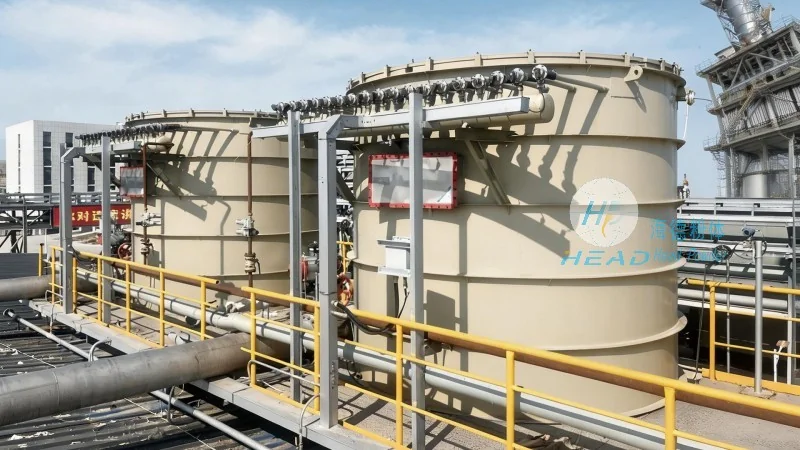
Another important feature is the system's ability to maintain a consistent flow rate and prevent material buildup or blockages. Advanced control systems, including sensors and automated shut-off mechanisms, are integrated into the conveyor design to detect and resolve issues promptly. This ensures that the sodium fluorosilicate powder is transported smoothly without interruptions, which is essential for maintaining production efficiency. Furthermore, the conveyors are designed for easy maintenance and cleaning, with removable components and access points that allow for regular inspections and cleaning to prevent contamination and ensure long-term performance.
Advantages of Using Sodium Fluorosilicate Powder Conveyors
Implementing sodium fluorosilicate powder conveyors offers several advantages for industrial operations. Firstly, these systems enhance safety by containing the powder and preventing dust exposure, which is crucial for protecting workers and the environment. The enclosed design reduces the risk of inhalation of fine particles and minimizes the potential for accidental spills or leaks. Secondly, the conveyors improve operational efficiency by providing a continuous and reliable flow of material, reducing downtime and increasing production throughput. The ability to adjust speed and flow rates allows for better control over the processing line, adapting to changing production demands.
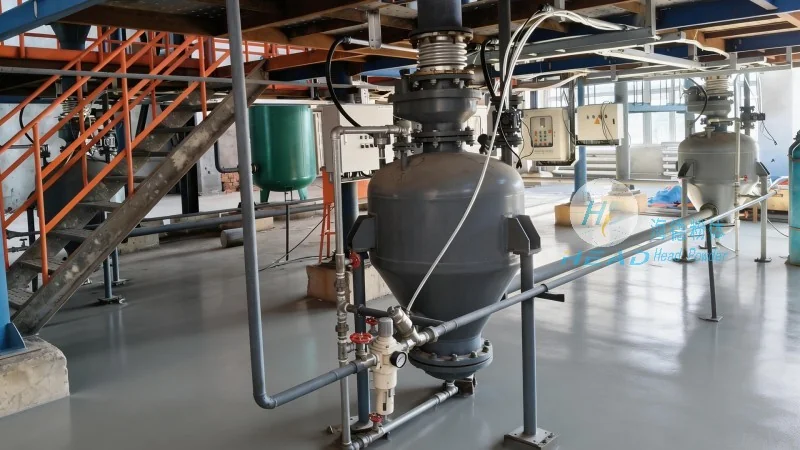
Additionally, the use of specialized conveyor systems helps maintain the quality of the sodium fluorosilicate powder by preventing degradation, contamination, or moisture absorption. The controlled environment within the conveyor, including temperature and humidity regulation, ensures that the material remains in optimal condition throughout the transport process. This is particularly important for applications where the purity and consistency of the sodium fluorosilicate are critical, such as in the production of glass, ceramics, or other industrial products.
Conclusion
In conclusion, the working principle and features of sodium fluorosilicate powder conveyors are designed to address the unique challenges of handling this chemical material. The advanced technology and engineering solutions provided by manufacturers like Shandong HeadPowder Engineering Co., Ltd. ensure that these conveyors operate efficiently, safely, and reliably. By understanding the working principle and key features, industrial operators can make informed decisions about implementing such equipment to enhance their production processes and ensure compliance with safety and environmental standards.




