Sub-zinc oxide powder conveying systems are specialized industrial equipment designed to handle and transport fine powders, particularly those with high reactivity or sensitivity to moisture and air. These systems are crucial in various industries, including chemical manufacturing, pharmaceuticals, and materials processing, where the efficient and safe movement of such powders is essential for production efficiency and product quality. The equipment is engineered to ensure minimal particle degradation, consistent flow rates, and reliable operation under varying operational conditions.
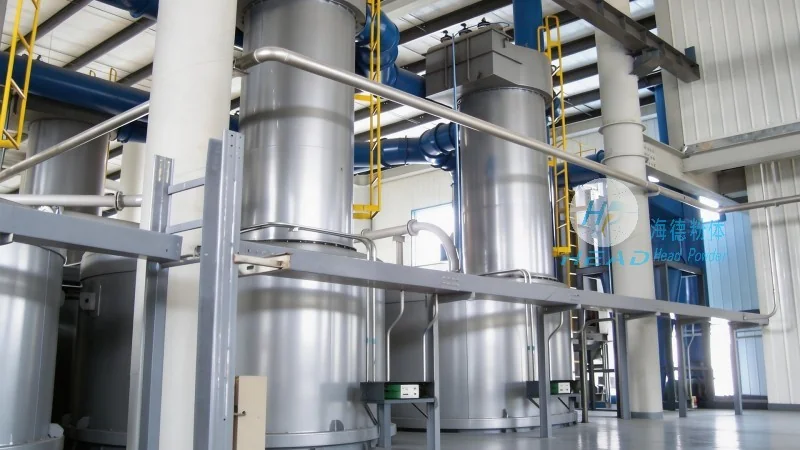
Key Design Principles of the Sub-Zinc Oxide Powder Conveying System
The design of a sub-zinc oxide powder conveying system is guided by several critical principles to ensure optimal performance and safety. First, the system must maintain a closed environment to prevent contamination from external factors such as moisture, dust, or air, which could compromise the quality of the zinc oxide powder. This is typically achieved through airtight seals and enclosed conveying lines. Second, the system employs low-shear conveying mechanisms, such as pneumatic or mechanical screw conveyors, to minimize particle attrition and maintain the integrity of the powder. Third, the design incorporates advanced control systems that allow for precise regulation of flow rates, pressure, and temperature, ensuring consistent and controlled material movement. Additionally, the system is constructed from materials that are resistant to corrosion and chemical reactions, particularly those involving zinc oxide, to extend its service life and maintain operational reliability.
Components and Functionality of the Conveying System
The sub-zinc oxide powder conveying system consists of several key components that work in tandem to achieve efficient material transport. The primary components include a hopper for material storage, a feeder to control the discharge rate, a conveying line (either pneumatic or mechanical), and a receiver for the discharged material. The hopper is designed with a smooth interior to prevent material buildup and ensure uniform flow. The feeder, often a rotary valve or a screw feeder, regulates the amount of powder entering the conveying line, preventing overloading and maintaining consistent flow. The conveying line, whether pneumatic (using air pressure to move the powder) or mechanical (using screws or belts), is carefully sized and configured to handle the specific characteristics of the zinc oxide powder, such as its particle size, density, and flowability. The receiver, typically a storage bin or a processing vessel, collects the conveyed powder and prepares it for subsequent processing steps. Each component is strategically designed to minimize energy consumption, reduce maintenance requirements, and enhance overall system efficiency.
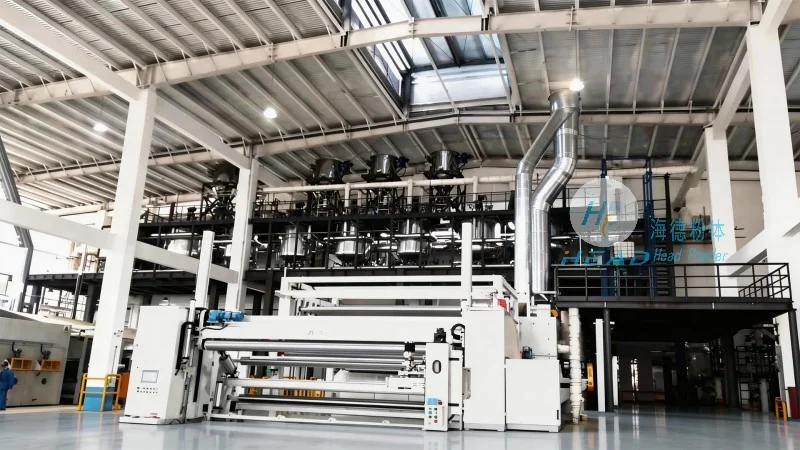
Advantages of Using a Sub-Zinc Oxide Powder Conveying System
Implementing a sub-zinc oxide powder conveying system offers numerous advantages for industrial operations. Firstly, it significantly improves production efficiency by enabling continuous and automated material handling, reducing downtime associated with manual handling and material transfer. Secondly, the closed system design minimizes product contamination, ensuring that the zinc oxide powder remains pure and free from external contaminants, which is critical for applications in pharmaceuticals and food processing. Thirdly, the system reduces labor costs by automating the material transport process, allowing workers to focus on other critical tasks. Additionally, the precise control over flow rates and pressure helps in maintaining consistent product quality, as the powder is transported under controlled conditions, preventing segregation or agglomeration. Finally, the system's robust construction and corrosion-resistant materials ensure long-term reliability, reducing the need for frequent repairs and replacements.
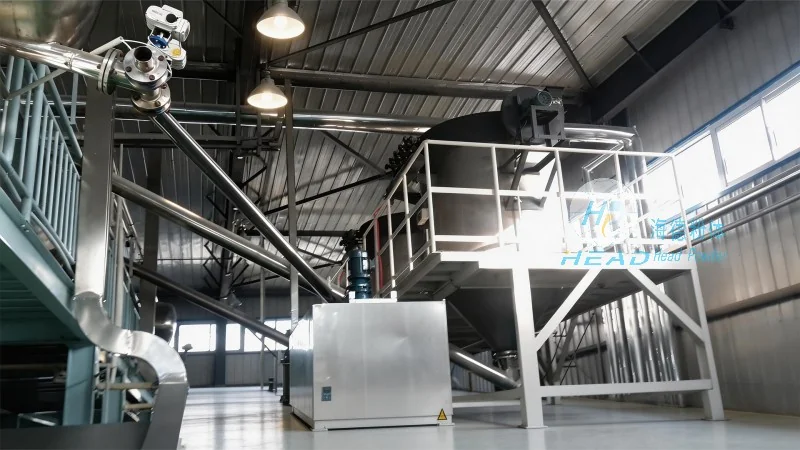
Application Scenarios and Industry Use Cases
The sub-zinc oxide powder conveying system is widely used in various industries where fine powders are processed. In the chemical industry, it is employed in the production of zinc oxide-based compounds, where the system ensures the safe and efficient transport of raw materials and intermediates. In the pharmaceutical sector, the system is crucial for handling active pharmaceutical ingredients (APIs) and excipients, as it maintains the purity and quality of the powders, which directly impacts the final drug product. In materials processing, the system is used in the production of coatings, pigments, and ceramics, where the consistent delivery of zinc oxide powder is essential for achieving uniform product properties. Additionally, the system is suitable for applications in the food industry, where it helps in the transport of zinc oxide as a nutritional supplement or as a processing aid, ensuring compliance with food safety regulations.
Company Profile: Shandong HeadPowder Engineering Co., Ltd.
Shandong HeadPowder Engineering Co., Ltd., operating under the brand name headpowder, is a leading manufacturer and supplier of specialized powder handling equipment. With a strong focus on innovation and quality, the company has established itself as a trusted partner in the industry, providing customized solutions for various powder processing needs. Headpowder's expertise lies in designing and manufacturing equipment that meets the specific requirements of different industries, ensuring optimal performance and reliability. The company's products are engineered to handle a wide range of powders, including fine and reactive materials like zinc oxide, and are designed to operate under harsh conditions while maintaining high efficiency. With a commitment to customer satisfaction and technological advancement, headpowder continues to develop cutting-edge solutions that enhance the productivity and safety of industrial operations.




