

What is a Biomass Powder Conveying System Equipment? What Are Its Design Principles?
Understanding the biomass powder conveying system equipment and its design principles is crucial for industries dealing with biomass materials. This article aims to provide a comprehensive overview of such systems, focusing on their functionality, key components, and the engineering principles behind their design. The information presented here is based on the expertise of Shandong HeadPowder Engineering Co., Ltd., a leading manufacturer of biomass handling equipment based in China.
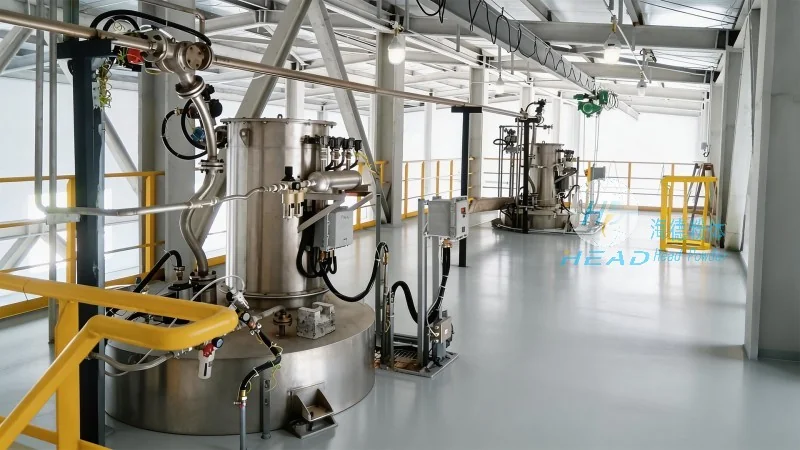
Introduction to Biomass Powder Conveying Systems
Biomass powder conveying systems are specialized equipment used to transport biomass materials, which are organic materials derived from plants or animal waste, in a dry, powdered form. These systems are essential in various applications, including bioenergy production, biomass processing, and material handling in agricultural and industrial settings. The primary goal of these systems is to efficiently and safely move biomass powders from one location to another, often over considerable distances, while maintaining the material's integrity and minimizing degradation.
Key Components of Biomass Powder Conveying Systems
The biomass powder conveying system typically consists of several critical components that work in tandem to ensure effective material transport. These components include the feeding mechanism, the conveying device, the control system, and the dust collection or filtration system. Each component plays a vital role in the overall operation of the system.
Firstly, the feeding mechanism is responsible for introducing the biomass powder into the system. This can be achieved through various methods such as gravity feed, screw feeders, or pneumatic feeders, depending on the material's properties and the system's design. The feeding mechanism ensures a consistent and controlled flow of material into the conveying device.
Secondly, the conveying device is the core component of the system. It is responsible for moving the biomass powder from the feeding point to the discharge point. Common types of conveying devices include pneumatic conveyors, screw conveyors, and bucket elevators. Pneumatic conveyors use air pressure to transport the material, while screw and bucket elevators use mechanical motion. The choice of conveying device depends on factors such as the material's density, moisture content, and the required conveying distance.
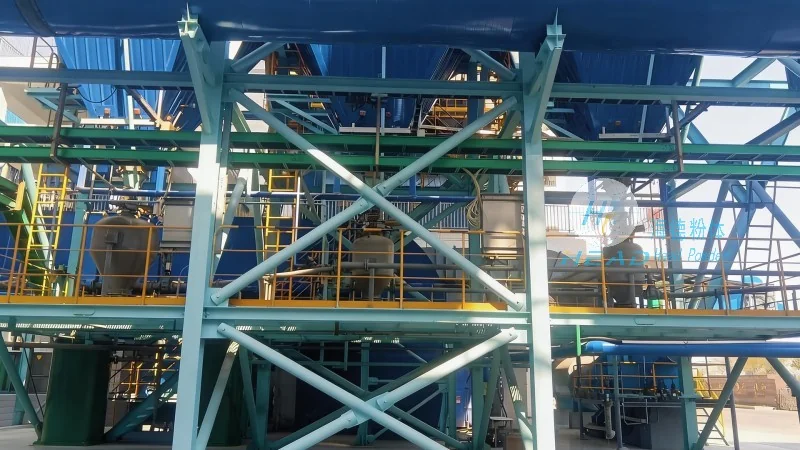
Thirdly, the control system manages the operation of the entire conveying process. It includes sensors, controllers, and actuators that monitor and adjust the system's parameters in real-time. The control system ensures that the conveying rate, pressure, and other variables are maintained within optimal ranges, preventing system failures and ensuring efficient operation.
Lastly, the dust collection or filtration system is crucial for maintaining a clean and safe working environment. Biomass powders can generate significant dust during the conveying process, which can be harmful to workers and equipment. The filtration system captures and removes the dust, ensuring that the air quality remains within acceptable limits and protecting the equipment from dust accumulation.
Design Principles of Biomass Powder Conveying Systems
The design of biomass powder conveying systems is based on several fundamental principles that ensure their effectiveness and reliability. These principles include material handling efficiency, system reliability, energy efficiency, and safety. Engineers must consider these principles when designing a system to meet the specific requirements of the application.
Material handling efficiency is a key design principle. The system must be able to transport the biomass powder at a consistent rate and over the required distance without causing excessive wear or degradation of the material. This involves selecting the appropriate conveying device and ensuring that the system's components are properly sized and configured.
System reliability is another critical design principle. Biomass powder conveying systems are often used in continuous operations, and any downtime can result in significant losses. Therefore, the system must be designed to be robust and durable, with minimal maintenance requirements. This includes using high-quality materials for the components and implementing proper maintenance procedures.
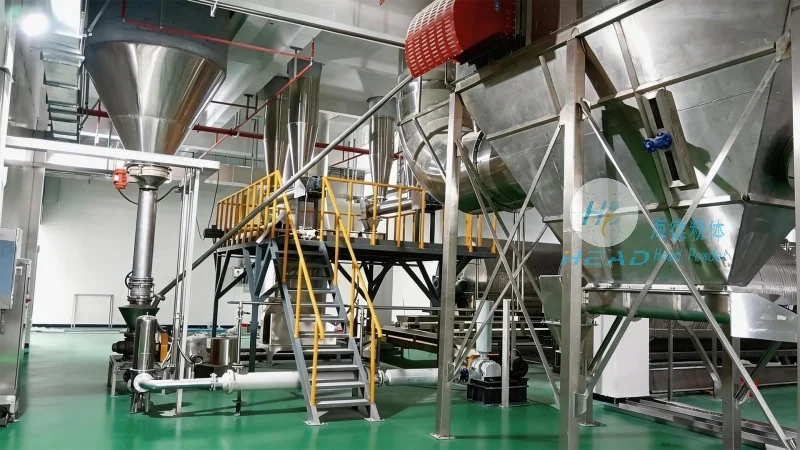
Energy efficiency is also an important consideration in the design of biomass powder conveying systems. The system should consume as little energy as possible while still achieving the required conveying rate. This can be achieved by optimizing the conveying device's design, using efficient motors, and minimizing energy losses in the system.
Safety is a paramount design principle, especially when dealing with biomass powders. The system must be designed to prevent dust explosions, which can be a serious hazard in industrial settings. This involves implementing proper dust collection and explosion-proof measures, such as using explosion-proof motors and installing dust explosion suppression systems.
Applications of Biomass Powder Conveying Systems
Biomass powder conveying systems are used in a wide range of applications across various industries. Some of the most common applications include bioenergy production, where biomass powders are used as fuel for power plants and heat generation. Other applications include biomass processing, where the powders are used as raw materials for the production of biofuels, chemicals, and other products. Additionally, these systems are used in agricultural settings for the handling of crop residues and animal waste, and in industrial settings for the transport of biomass powders from processing facilities to storage or end-use locations.
Conclusion
In conclusion, biomass powder conveying systems are essential equipment for industries dealing with biomass materials. The design of these systems is based on several key principles, including material handling efficiency, system reliability, energy efficiency, and safety. By understanding the components and design principles of these systems, industries can select and operate the most appropriate equipment for their specific needs, ensuring efficient and safe material transport.