Shandong HeadPowder Engineering Co., Ltd., a leading enterprise in the field of powder processing technology, specializes in the design, manufacturing, and application of advanced pneumatic conveying systems. The company, commonly known as HeadPowder, has been dedicated to providing efficient and reliable solutions for the transportation of calcite and other fine powders. This article aims to explore the classification and key components of calcite pneumatic conveying systems, highlighting the technical aspects and practical applications that define their performance.
Classification of Calcite Pneumatic Conveying Systems
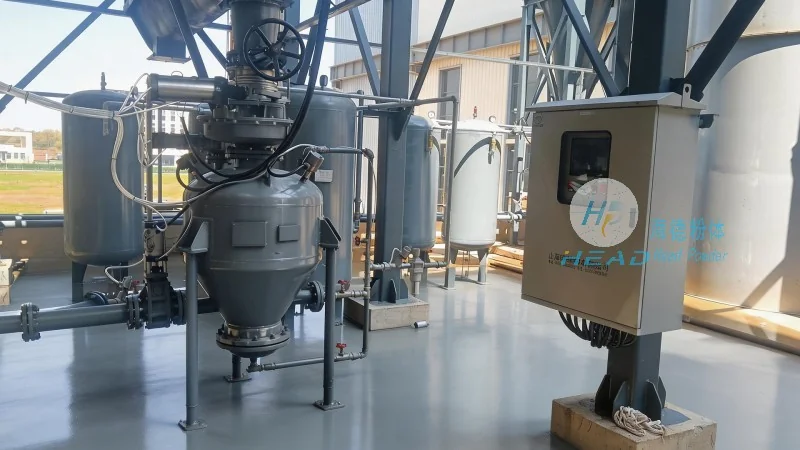
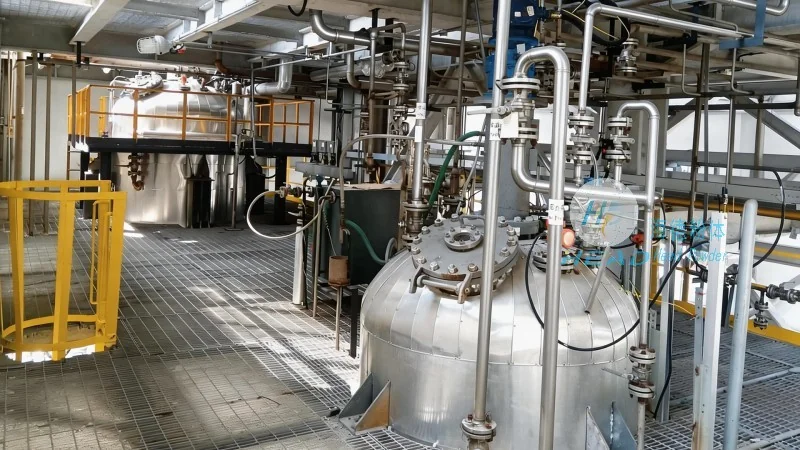
Calcite pneumatic conveying systems can be broadly classified based on the principles of air flow and the type of conveying mechanism. The primary categories include positive pressure systems, negative pressure systems, and mixed pressure systems. Positive pressure systems operate by blowing air into the system, pushing the material forward. These systems are suitable for long-distance and high-capacity transport, offering advantages such as lower material degradation and reduced dust emissions. Negative pressure systems, on the other hand, draw material into the system using suction, which is ideal for applications requiring minimal product contamination and low noise levels. Mixed pressure systems combine elements of both positive and negative pressure, providing flexibility in handling different material properties and operational conditions. Each classification is tailored to meet specific industrial requirements, ensuring optimal performance and efficiency in calcite transportation.
Key Components of Calcite Pneumatic Conveying Systems
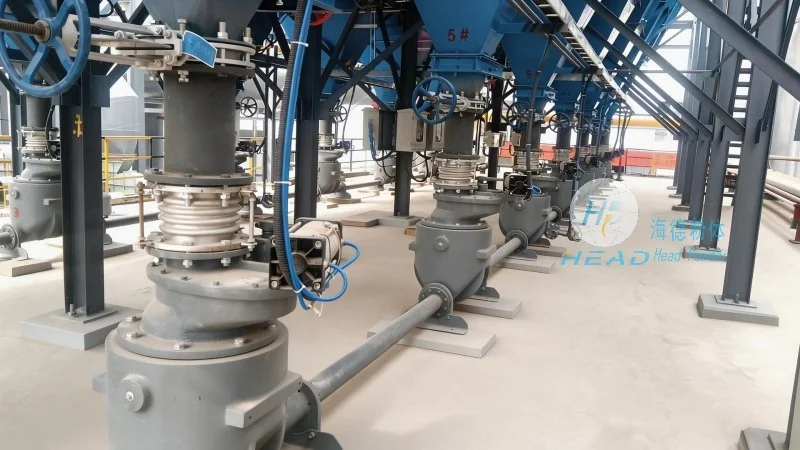
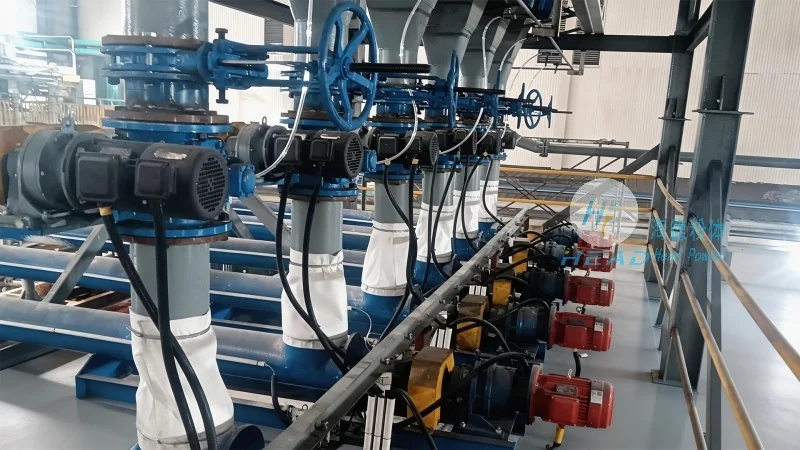
The effectiveness of a calcite pneumatic conveying system relies on several critical components that work in harmony to ensure smooth operation. The main components include the material feeder, which accurately controls the flow rate of calcite into the system; the air compressor or blower, which generates the necessary air pressure; the conveying line, which transports the material; and the receiver or discharge unit, which collects the material at the destination. The material feeder is crucial for maintaining consistent flow, preventing blockages, and ensuring uniform material distribution. It may include devices such as rotary valves, screw feeders, or vibrating feeders, depending on the specific application. The air compressor or blower provides the driving force, with options ranging from centrifugal blowers to positive displacement compressors, each offering different pressure and flow characteristics. The conveying line, typically made of stainless steel or other corrosion-resistant materials, is designed to withstand the abrasive nature of calcite and maintain air tightness to prevent leakage. The receiver or discharge unit is responsible for safely collecting the material, often equipped with dust collection systems to minimize environmental impact. Additionally, auxiliary components such as filters, cyclones, and pressure regulators are essential for maintaining system efficiency and ensuring compliance with safety and environmental standards.
Application Scenarios and Performance Considerations
Calcite pneumatic conveying systems are widely used in various industries, including chemical, pharmaceutical, food processing, and mining. The choice of system classification and component design depends on factors such as material characteristics, distance of transport, and required capacity. For example, in the chemical industry, where calcite is used as a filler or coating material, positive pressure systems are often preferred due to their ability to handle high volumes and maintain product quality. In the pharmaceutical sector, negative pressure systems are commonly employed to prevent cross-contamination and ensure product purity. Performance considerations include factors like pressure drop, which affects the energy consumption and system efficiency; material velocity, which influences the risk of particle degradation and system wear; and system reliability, which is critical for continuous production operations. Proper maintenance and regular inspection of components are essential to ensure the long-term performance and durability of the system. HeadPowder's expertise in system design and manufacturing enables them to provide customized solutions that address the unique challenges of each application, ensuring optimal performance and cost-effectiveness.




