

Classification and Composition of Molybdenum Trioxide Pneumatic Conveying Systems
HeadPowder, a leading engineering firm based in Shandong, China, specializes in the design and implementation of advanced pneumatic conveying systems for handling molybdenum trioxide. This article provides a detailed overview of the classification and key components that constitute such systems, offering insights into their functionality and application in industrial processes.
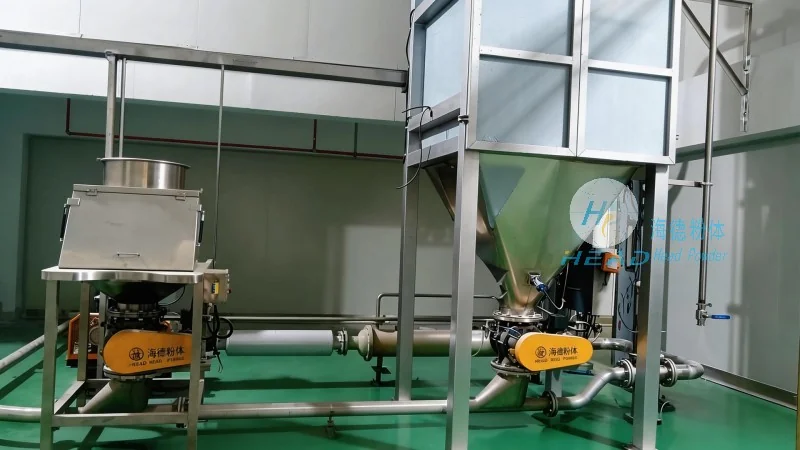
Introduction to Molybdenum Trioxide Pneumatic Conveying Systems
Molybdenum trioxide (MoO₃), a critical industrial material used in various applications including catalysts, pigments, and electronic components, requires efficient and reliable transport solutions to ensure consistent quality and safety in handling. Pneumatic conveying systems offer a versatile method for transporting MoO₃ by utilizing air or other gases to move the material through a network of pipes and equipment. The design of these systems is tailored to the specific characteristics of MoO₃, such as its particle size, density, and flow properties, to optimize performance and minimize operational issues.
Classification of Pneumatic Conveying Systems for Molybdenum Trioxide
Pneumatic conveying systems for molybdenum trioxide are typically classified based on the air velocity and the method of material transport. The primary categories include:
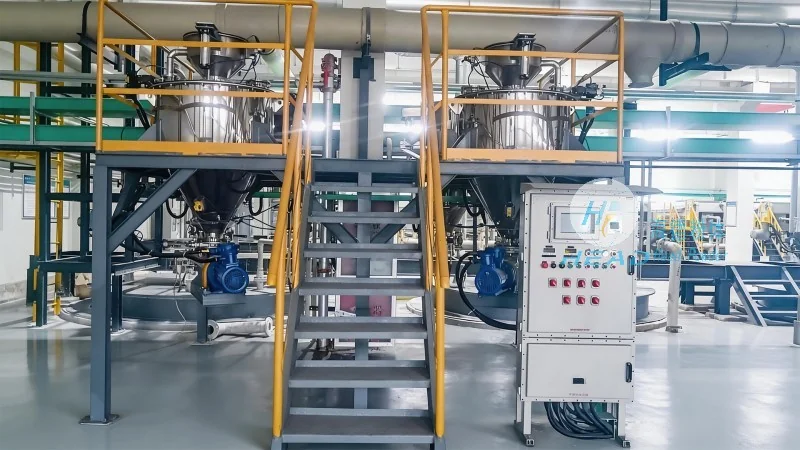
- Suspension Pneumatic Conveying: This type involves transporting MoO₃ particles in a dilute phase, where the material is suspended in the air stream. It is suitable for fine powders and is commonly used in applications requiring long-distance transport with minimal pressure drops.
- Entrained Flow Pneumatic Conveying: In this system, the material is carried in a dense phase, where the air velocity is high enough to maintain the particles in a continuous flow. This method is ideal for bulk material handling and can handle larger particle sizes and higher material loads.
- Pressure and Vacuum Conveying: These systems operate under either positive pressure (pressure conveying) or negative pressure (vacuum conveying). Pressure conveying uses compressed air to push the material through the system, while vacuum conveying uses a vacuum to pull the material. The choice between pressure and vacuum depends on the system layout, material properties, and operational requirements.
Each classification has distinct advantages and is selected based on factors such as the distance of transport, the volume of material, the required flow rate, and the environmental constraints of the application. For instance, suspension conveying is often preferred for long-distance transport of fine MoO₃ powders due to its lower energy consumption and reduced wear on equipment, whereas entrained flow conveying is more suitable for high-volume, short-distance transport of bulk material.
Key Components of Molybdenum Trioxide Pneumatic Conveying Systems
The effective operation of a molybdenum trioxide pneumatic conveying system relies on a combination of specialized components, each designed to perform a specific function in the material transport process. The main components include:
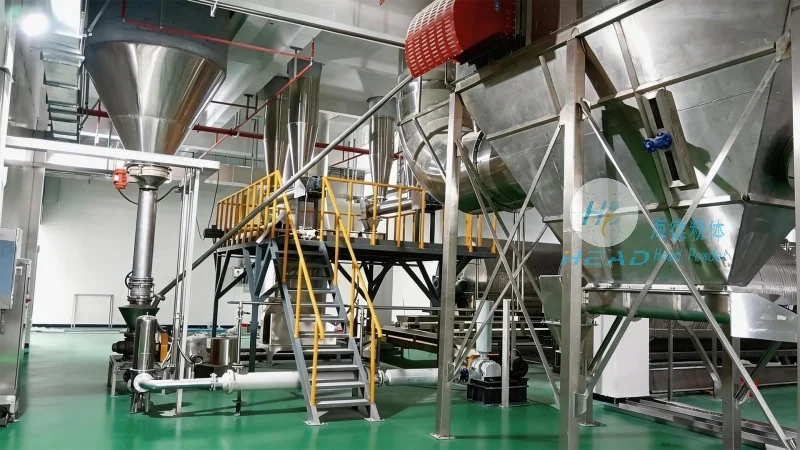
- Feeder: The feeder is responsible for feeding MoO₃ into the conveying system at a controlled rate. It ensures a consistent flow of material to the transport line, preventing blockages and maintaining system efficiency. For MoO₃, which can be prone to bridging or segregation, specialized feeders such as rotary valves or screw feeders are often used to ensure uniform material discharge.
- Pneumatic Conveying Pipe: The pipe network forms the backbone of the system, transporting the MoO₃ from the feeder to the discharge point. The pipe material is typically selected for its resistance to corrosion and abrasion, as MoO₃ can be chemically reactive and abrasive. Stainless steel or special alloys are commonly used to withstand the material's properties and ensure long-term durability.
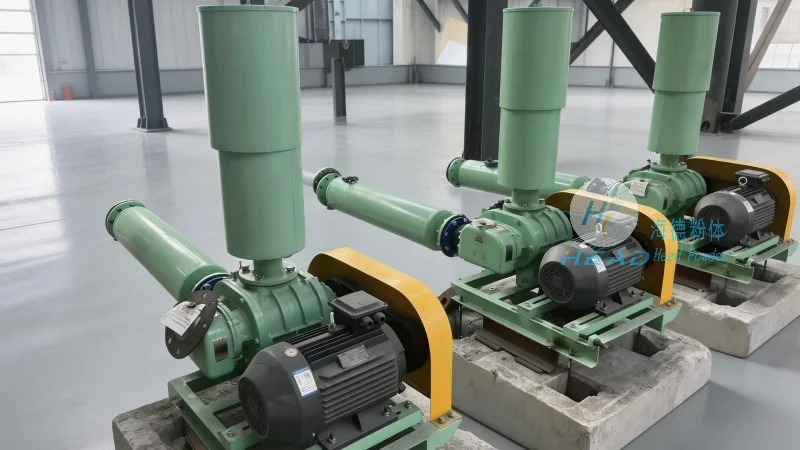
- Air Compressor or Vacuum Pump: This component provides the necessary air or gas flow to move the MoO₃ particles through the system. In pressure conveying systems, a high-pressure air compressor generates the required pressure, while in vacuum conveying systems, a vacuum pump creates the suction force. The selection of the compressor or pump is based on the system's pressure requirements, flow rate, and the specific characteristics of MoO₃.
- Separators and Filters: These components are crucial for separating the MoO₃ particles from the air stream and cleaning the exhaust air. Cyclone separators use centrifugal force to separate larger particles, while bag filters or cartridge filters capture fine particles to prevent contamination and ensure compliance with environmental regulations. For MoO₃, which may have fine particles that can cause health hazards, high-efficiency filters are essential to protect both the environment and personnel.
- Discharge and Dosing Equipment: The discharge equipment receives the MoO₃ from the conveying line and delivers it to the final destination, such as a storage silo or a processing unit. Dosing equipment, such as rotary valves or metering pumps, ensures accurate and controlled delivery of the material, which is critical for applications where precise dosing is required, such as in chemical reactions or catalyst production.
Each component is carefully designed and integrated to work in harmony, ensuring the efficient and safe transport of molybdenum trioxide. The selection and configuration of these components are tailored to the specific requirements of the application, taking into account factors such as material properties, system layout, and operational conditions.
Operational Considerations and Maintenance
The successful operation of a molybdenum trioxide pneumatic conveying system requires careful consideration of several operational and maintenance factors. Proper system design and installation are essential to prevent issues such as blockages, corrosion, and air leakage. Regular maintenance, including cleaning of filters, inspection of pipes for wear, and replacement of worn components, is necessary to ensure the system operates at optimal efficiency and longevity.
For MoO₃, which can be hygroscopic (absorbing moisture from the air), the system must be designed to minimize exposure to moisture and prevent caking or agglomeration of the material. This may involve the use of drying equipment or the incorporation of moisture-resistant materials in the system design. Additionally, the system should be equipped with safety features, such as pressure relief valves and explosion-proof components, to protect against potential hazards associated with handling MoO₃.
Conclusion
Molybdenum trioxide pneumatic conveying systems are sophisticated and reliable solutions for transporting this critical industrial material. By understanding the classification of these systems and the key components involved, industrial facilities can select and implement the most appropriate system for their specific needs. With proper design, operation, and maintenance, these systems ensure efficient, safe, and cost-effective transport of molybdenum trioxide, supporting the smooth operation of various industrial processes.