

What is Dry Desulfurization? What are the Design Principles?
Dry desulfurization is a critical industrial process used to remove sulfur compounds from flue gases, particularly in power plants and other facilities that burn fossil fuels. This technology plays a vital role in reducing air pollution and complying with stringent environmental regulations. Understanding the fundamental principles and design aspects of dry desulfurization is essential for engineers and operators in the energy sector. The following content will explore the core concepts, design considerations, and practical applications of this technology, with a focus on the expertise and solutions provided by Shandong HeadPowder Engineering Co., Ltd.
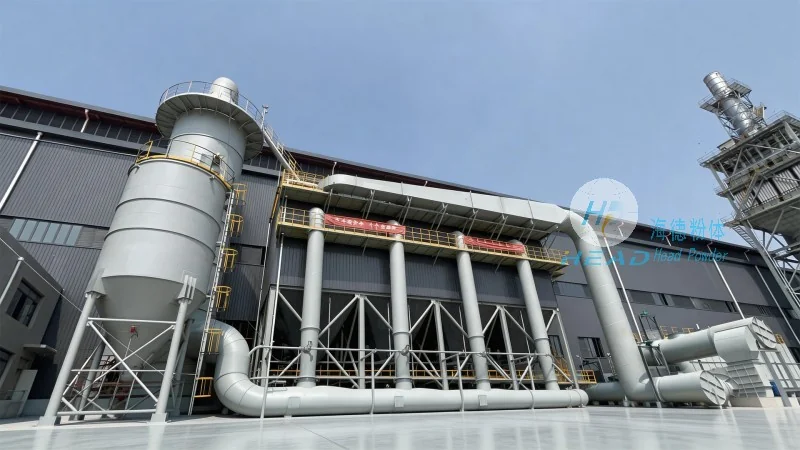
Core Principles of Dry Desulfurization
The primary objective of dry desulfurization is to capture sulfur dioxide (SO₂) and other sulfur-containing gases from exhaust streams. Unlike wet desulfurization methods, which use liquid reagents, dry desulfurization employs solid sorbents or catalysts to adsorb sulfur compounds. The process typically involves several key steps: gas pretreatment to remove particulates and moisture, contact between the flue gas and the sorbent, and regeneration or disposal of the spent sorbent. The effectiveness of dry desulfurization depends on factors such as the type of sorbent material, operating temperature, and gas flow rate. Common sorbents include calcium-based compounds (e.g., limestone or calcium hydroxide) and metal oxides, which react with SO₂ to form solid byproducts like calcium sulfite or calcium sulfate.
Design Principles and Key Components
The design of a dry desulfurization system involves careful consideration of several critical components to ensure optimal performance and efficiency. The main components typically include a gas handling system, a desulfurization reactor or contactor, a sorbent feeding system, and a regeneration or disposal unit. The gas handling system is responsible for preparing the flue gas by removing particulates and controlling moisture levels, which can affect sorbent performance. The desulfurization reactor is where the actual sulfur capture occurs, with the sorbent and flue gas in direct contact. This reactor can be designed as a fixed bed, moving bed, or fluidized bed, depending on the specific application and sorbent characteristics. The sorbent feeding system ensures a consistent supply of fresh sorbent to the reactor, while the regeneration or disposal unit handles the spent sorbent, either by reactivating it or disposing of it as non-hazardous waste.
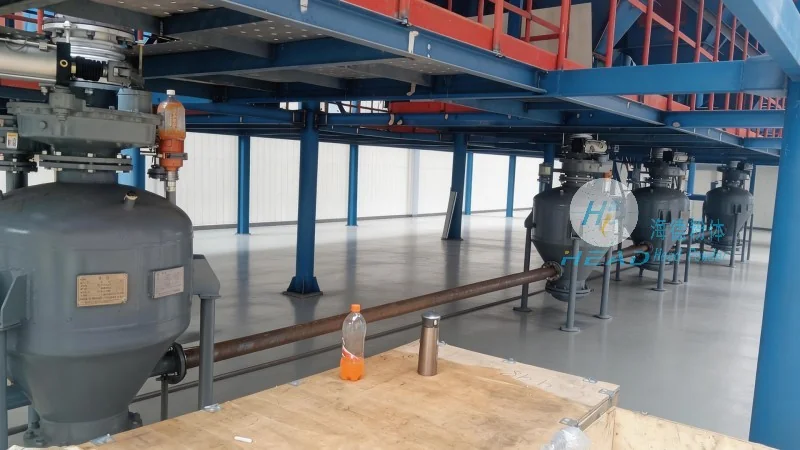
Operational Considerations and Efficiency Factors
Several operational factors influence the efficiency of dry desulfurization systems. Temperature is a critical parameter, as higher temperatures can reduce the sorbent's reactivity with SO₂, while lower temperatures may increase moisture content, leading to sorbent clumping or reduced effectiveness. The design of the reactor must account for these temperature variations to maintain optimal performance. Additionally, the choice of sorbent material is crucial; calcium-based sorbents are widely used due to their availability and cost-effectiveness, but advanced materials like activated carbon or metal oxides may offer higher efficiency for specific applications. The gas flow rate and contact time between the flue gas and sorbent also impact the overall sulfur removal efficiency. Proper design ensures sufficient contact time to achieve the desired removal rate, while minimizing energy consumption and operational costs.
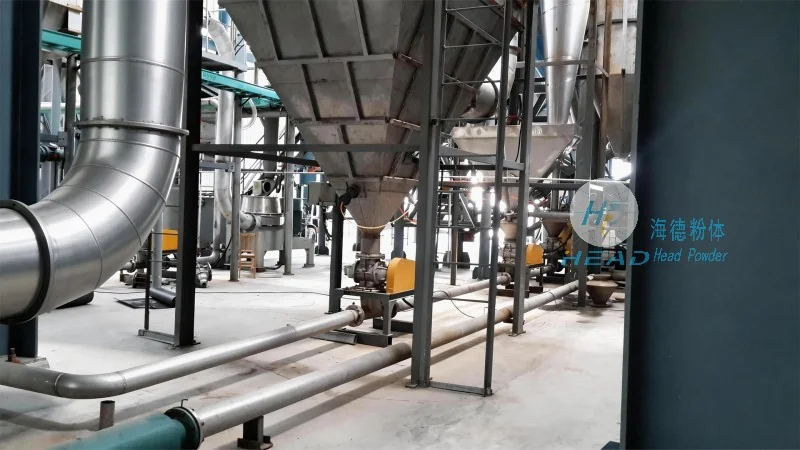
Applications and Industry Impact
Dry desulfurization technology is widely applied in various industries, including power generation, industrial boilers, and waste incineration facilities. In power plants, it is used to meet environmental standards for sulfur dioxide emissions, often as part of a broader air pollution control strategy. The technology's ability to operate at relatively low temperatures and with minimal water usage makes it particularly suitable for regions with water scarcity or where wet desulfurization is impractical. By effectively reducing sulfur emissions, dry desulfurization contributes to improved air quality and public health, while also supporting the transition to cleaner energy sources. Shandong HeadPowder Engineering Co., Ltd. specializes in providing customized dry desulfurization solutions tailored to the specific needs of industrial clients, ensuring compliance with local and international environmental regulations.
Conclusion and Future Developments
Dry desulfurization remains a vital technology in the fight against air pollution and the mitigation of climate change. Its design principles, which emphasize efficient sulfur capture using solid sorbents, continue to evolve with advancements in materials science and process engineering. As environmental regulations become more stringent, the demand for reliable and cost-effective desulfurization solutions will increase. Shandong HeadPowder Engineering Co., Ltd. is committed to delivering innovative and sustainable dry desulfurization systems that meet the highest standards of performance and environmental responsibility. By combining expertise in engineering, materials, and process optimization, the company provides solutions that help industries reduce their environmental footprint while maintaining operational efficiency.